Detailed Guide to Spanish Architectural Styles
For those living in Spain, it is easy to notice that architectural styles vary greatly from one region to another. Here is a brief overview of some common types along with personal impressions, which may help you when moving or traveling, offering more Spanish architecture and climate references.
Andalusian Whitewashed Houses
The whitewashed houses of Andalusia leave a strong impression, with white lime walls paired with blue or green window frames that appear especially bright under the summer sun. Not only aesthetically pleasing, they also reflect sunlight, reducing indoor temperatures. Strolling through the old town, you will often see balconies adorned with numerous flower pots.
Catalan Modernism Style
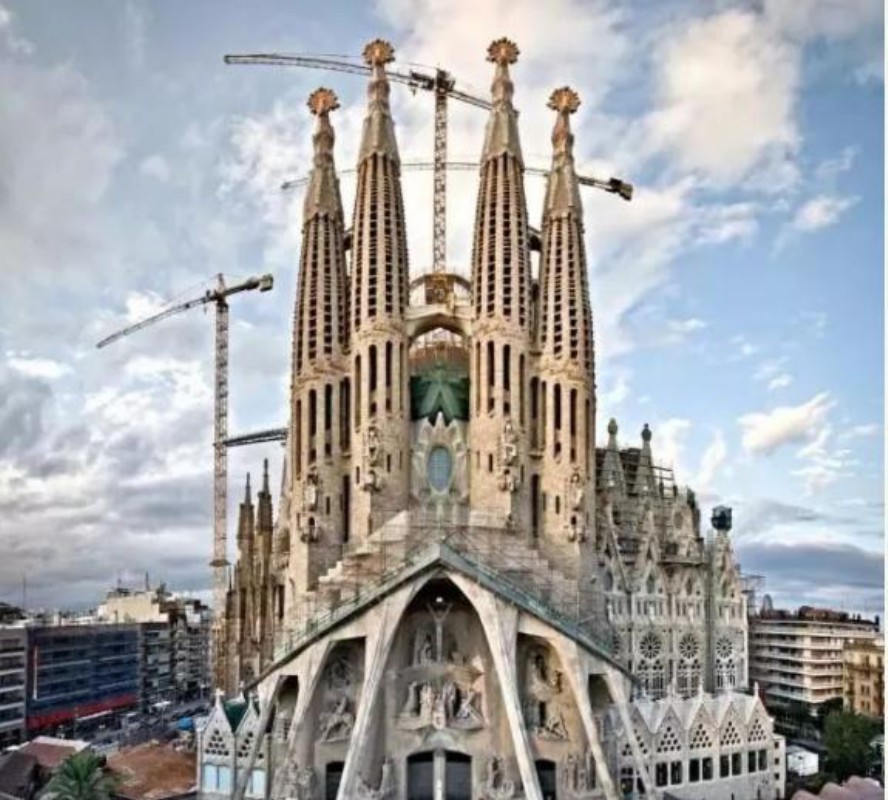
Barcelona is the representative city of Catalan Modernism; works by Gaudí, for example, feature abundant curves and natural elements. This architecture is not only art, but also a lifestyle attitude, emphasizing harmony between humans and nature. Many old apartments in the city still retain their original stained glass and wrought iron balconies.
Basque Farmhouses
Traditional farmhouses in the Basque region often combine wooden structures with stone walls, with steeply pitched roofs to withstand rain and snow. These homes usually have spacious kitchens and fireplaces, making them ideal for family gatherings. Living here offers a strong sense of rural charm.
Comparison Table of Spanish Architectural Types
| Type | Features |
|---|
| Andalusian Whitewashed Houses | White walls, heat-resistant, flower pot balconies |
| Catalan Modernism | Curved design, stained glass, natural elements |
| Basque Farmhouses | Wood-stone structure, steep roof, fireplace |
Modern Apartments and Townhouses
In addition to traditional styles, modern apartments and townhouses are also common in major cities. Modern apartments often come equipped with underground parking and communal gardens, suitable for those who prefer convenience; townhouses balance privacy with community atmosphere, often featuring small courtyards, making them ideal for families with children.
Overall, Spanish architectural styles are diverse not only due to regional differences but also because they reflect a fusion of history and culture. Whether you prefer classical or modern, you can always find a home that suits your lifestyle.
