The Relationship Between Spanish Architecture and Climate
After living in Spain for a while, you will notice that architectural styles vary closely with regional climates. From the Mediterranean coast in the south to the humid Atlantic north, every type of building has its climatic reasoning. Architecture is not only about aesthetics but also about comfort and energy efficiency, which form an important part of daily living experience.
White Walls and Small Windows in the Southern Mediterranean Region
In the Andalusian south, houses are often painted white to reflect the intense sunlight, helping to lower indoor temperatures. Small windows reduce heat entry, and together with thick stone walls, they keep interiors cool in the summer. 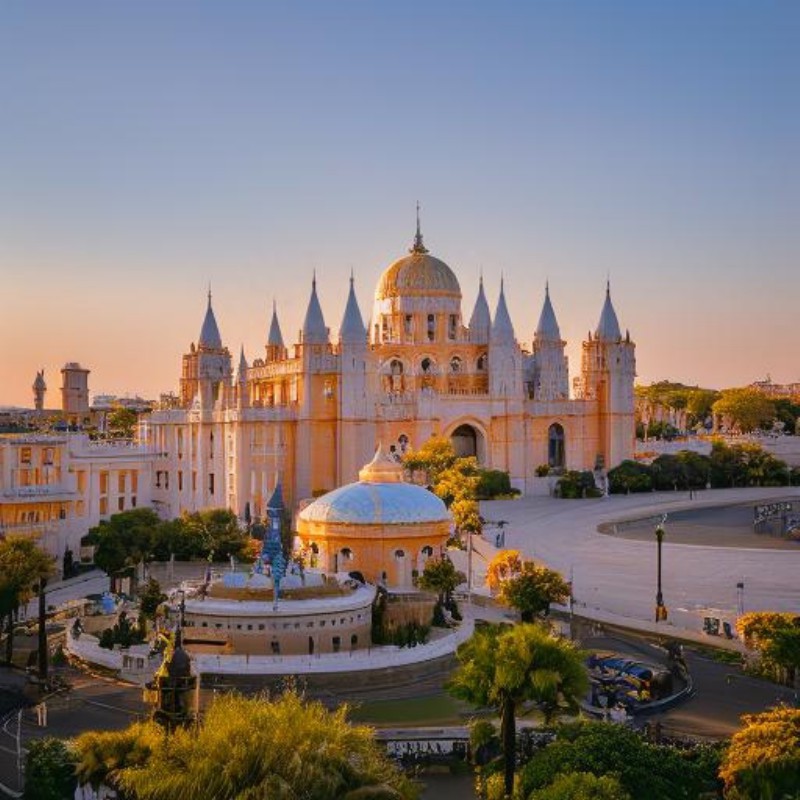 In a hot, dry climate, this design is especially suitable.
Stone Materials and Sloped Roofs in the Northern Atlantic Region
In Galicia and Asturias, the climate is humid and rainy. Local buildings often use granite or slate, combined with steeply sloping roofs that allow rainwater to run off quickly. Extended eaves help protect walls from water damage. This style also gives homes a solid and grounded look during gloomy weather.
Thick Walls and Courtyards in the Central Plateau
In the high plateau where Madrid is located, there are large temperature differences between day and night. Buildings often use thick walls to store heat—blocking heat during the day and releasing warmth at night. A central courtyard is a common design, providing both ventilation and a private activity space for the family with Spanish architectural types.
Comparison Table of Different Architectural Types and Climate Features
| Architectural Type | Climate Features |
|---|
| Southern white walls & small windows | Hot, dry, strong sunlight |
| Northern stone & sloped roofs | Rainy, humid, windy |
| Central thick walls & courtyard | Large daily temperature range, hot summers, cold winters |
Living Tips
If you plan to live in Spain long-term, consider the local climate when choosing a type of building. For example, in the south, well-ventilated whitewashed houses are ideal, while in the north, moisture-resistant stone structures are recommended. You can also adjust furniture and décor according to the climate, such as using moisture-resistant materials in humid regions.
Living in Spain invites you to pay attention to these architectural details—you will find that the integration of architecture and climate reflects not just engineering but also culture and lifestyle wisdom.
