Differences Between French and Spanish Architecture
For those who frequently travel across Europe, France and Spain’s architecture is remarkably easy to distinguish at a glance. Although the two countries are geographically adjacent, their architectural styles differ greatly due to history, climate, and the influence of French Architecture and Spanish Architecture cultures.
Influence of Historical Background
French architectural development was heavily influenced by Roman, Gothic, and Renaissance styles, especially in Paris and the Loire Valley, where grand cathedrals and palaces with sharp lines and precise proportions are commonplace. Spain, on the other hand, was long shaped by Moorish culture, leaving behind abundant Islamic-style patterns, horseshoe arches, and intricate tile decorations.
Materials and Colors
Northern France predominantly uses stone, with light gray façades that appear solemn under cloudy skies. In contrast, Spain—particularly the southern region of Andalusia—makes extensive use of whitewashed walls and terracotta tile roofs to reflect sunlight and reduce indoor temperatures in summer. The red tiles and white walls have become a defining feature of historic Spanish neighborhoods.
Urban Layout Differences
French city centers are often organized around squares, churches, and palaces, with straight streets that are easy to navigate. In Spain, many old town streets are narrow and winding, a product of medieval defense strategies and climate adaptation; the narrow streets provide more shade for pedestrians. This layout is particularly suited to the Mediterranean summer climate.
Style Comparison Table
| Feature | French Architecture | Spanish Architecture |
|---|
| Main materials | Stone | Stone and white plaster |
| Roof | Steep tiled roofs | Flat roofs or terracotta tile roofs |
| Façade colors | Gray-white tones | White walls with vibrant tiles |
| Decorative style | Gothic and Renaissance | Moorish and Baroque |
Travel Tips
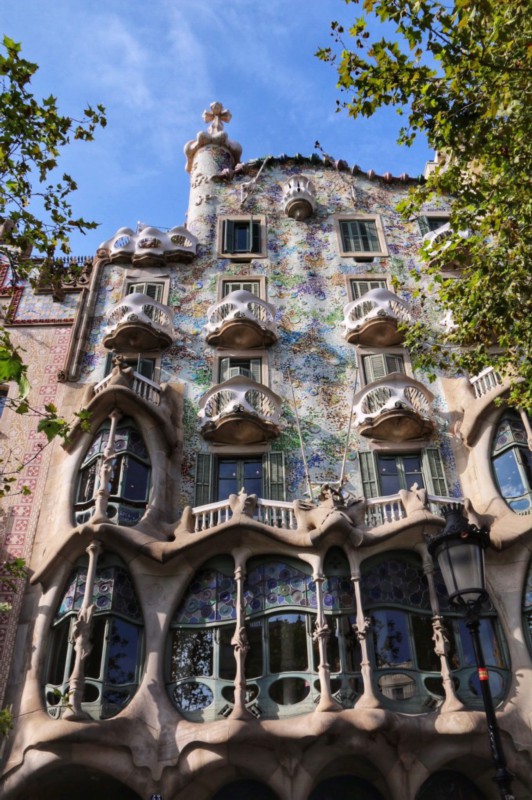
When traveling in France, don’t miss out on sights such as the Marseille Spanish Architecture, Notre-Dame Cathedral in Paris, Amiens Cathedral, and Château de Chambord—icons of French architecture. In Spain, the Alhambra in Granada, Seville Cathedral, and Gaudí’s masterpieces in Barcelona are must-sees. Understanding these differences will make your travel photos more narrative-rich and enable you to confidently discuss architecture with friends. Next time you travel, try to truly feel the atmosphere of both nations’ architecture.
