Introduction to Spanish Bullring Architecture
In many cities and towns across Spain, bullrings often stand as iconic landmark buildings. Whether or not you enjoy bullfighting, the architectural aesthetics and historical value of these venues are well worth exploring. They are not only spaces for sport and performance, but also an important part of Spain’s cultural identity.
Architectural Style
Most bullrings are designed in circular or polygonal shapes to provide spectators with an unobstructed view. Common exterior decorations include Moorish arches, tile mosaics, and contrasting colors of red brick and white lime, reflecting the diversity and fusion of local architecture. This style, blending Islamic and European elements, is especially common in Andalusia.
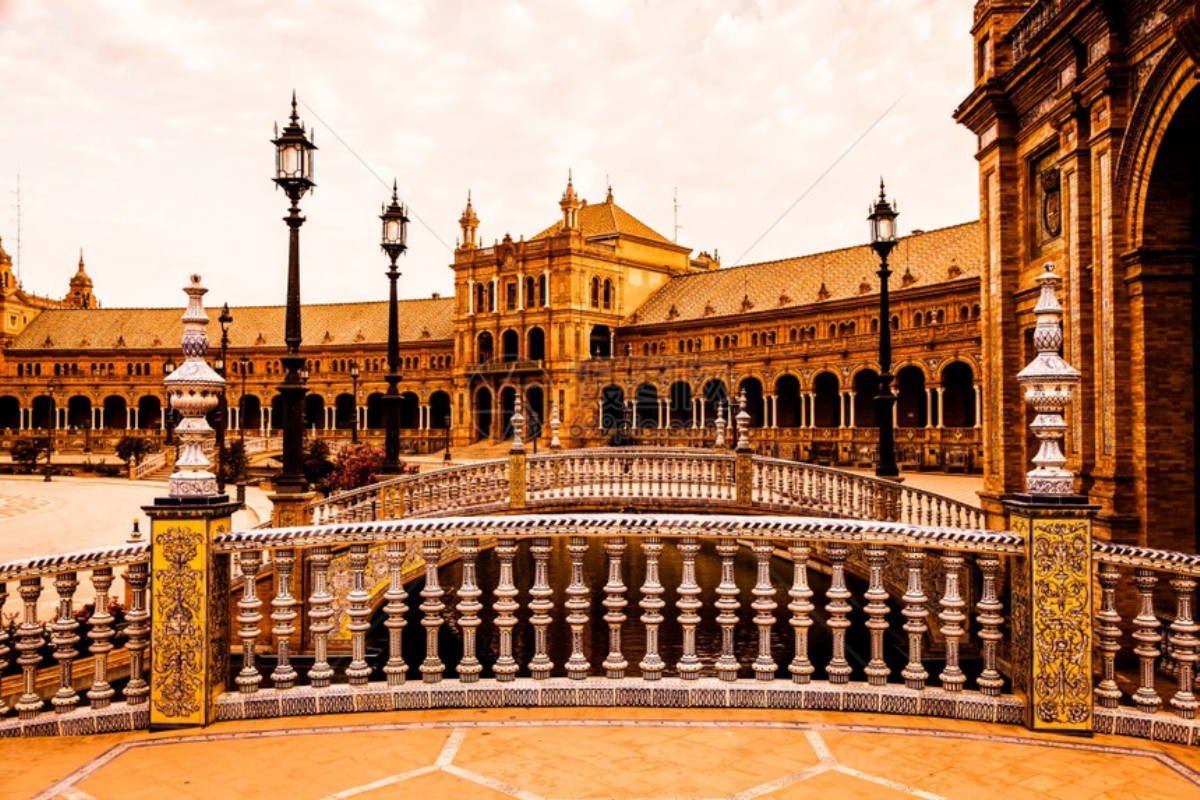
Structure and Function
Apart from the central sandy arena featured in the Spanish Bullring Architecture, bullrings also include fences, grandstands, sunshades, spectator entrances, and resting/waiting areas for matadors, bands, and animals both inside and outside. These spaces are carefully planned to ensure smooth and safe event operations.
| Area | Function |
|---|
| Grandstands | Provide seating for spectators, divided into shaded and unshaded zones |
| Backstage | Store bullfighting equipment, accommodate matadors and staff |
| Arena Center | Primary area for bullfighting performances |
Famous Examples
Bullrings across Spain vary in reputation, such as Madrid’s Las Ventas, Seville’s Real Maestranza, and Pampelona’s bullring. These venues are renowned not only for their grand scale but also for hosting diverse events including festivals and concerts.
Culture and Perception
Although the tradition of bullfighting is controversial in modern society, bullrings remain important venues for local festivities, history, and artistic exchange. For architecture enthusiasts, this offers a perfect window into the interweaving of artistic styles from different eras in Spain. One should not overlook their architectural beauty due to differing values.
Travel Tips
If you plan to travel in Spain, consider including a visit to a bullring. Even outside of bullfighting season, most well-known bullrings have museums and guided tours, allowing you to delve deeper into the Spanish Bullring to learn about its architectural evolution and social background. Strolling under the sun along the outer gallery of the bullring offers a distinctive cultural experience.
