Origins and History of Bullrings
The history of Spanish bullrings dates back to the Middle Ages, when bullfighting was not only a form of entertainment for the nobility but gradually evolved into a popular festive tradition. Early bullfights were held in open squares until the 17th century, when purpose-built bullring structures began to appear, usually located in the heart of cities to make it easy for crowds to gather.
During this period, bullrings were not just places to watch competitions—they also served as important local social centers. Many significant political and commercial exchanges would take place during bullfighting events, elevating the bullring’s status as a symbol of the city.
Architectural Structure and Design Features
Spanish bullring design has several notable characteristics: round or oval stands ensure spectators can watch the event from different angles, while the central sandy arena serves as the performance space for bullfighting. The walls are often made of local stone and red brick, offering both strength and aesthetic appeal. 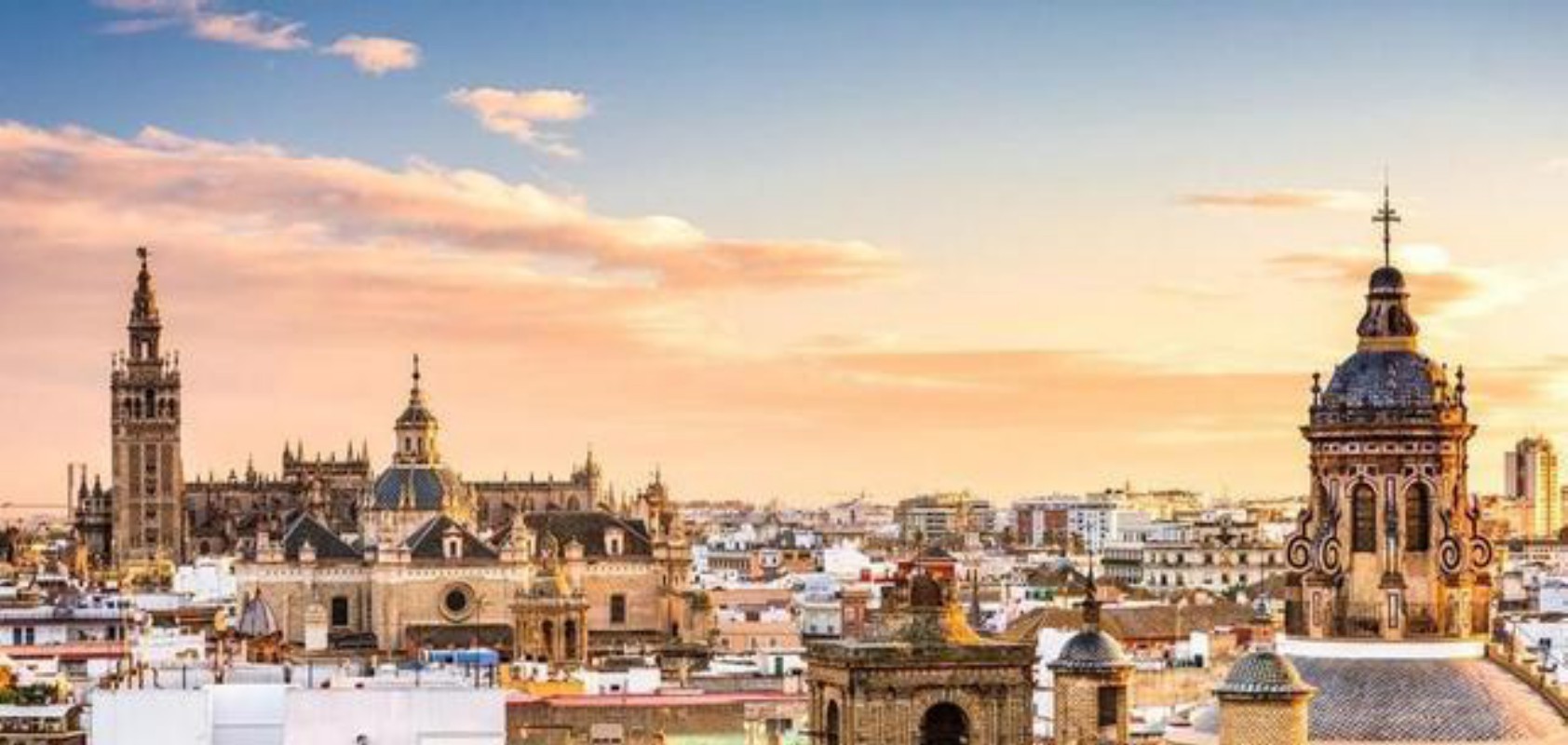
Many bullrings incorporate Moorish elements in their exterior design, such as horseshoe-shaped arches and intricate tiled mosaics. These details highlight the [a]multicultural fusion[/a] characteristic of Spanish architecture. Some venues also have underground facilities for keeping bulls and storing equipment.
Bullrings in Different Regions
Bullrings in various Spanish regions differ slightly in scale and style. For example, Madrid’s Las Ventas bullring is massive, holding nearly 20,000 spectators; Andalusian bullrings focus more on traditional decoration, blending closely with the local festive atmosphere.
| City | Bullring Name |
|---|
| Madrid | Las Ventas |
| Seville | Royal Bullring |
| Burgos | Dos de Mayo |
These differences also reflect the diversity of local economies, cultures, and aesthetics.
Cultural and Social Significance
Bullrings are not only sports arenas but also carry the traditions and emotions of Spain. In some cities, they are central landmarks during festivals, places where people celebrate victories and commemorate history. Although bullfighting is no longer promoted in some areas, the buildings themselves are still preserved as cultural heritage.
For Spanish bullring architecture enthusiasts, the value of bullrings lies not just in watching events but in appreciating design and experiencing historic atmospheres. Even without bullfighting performances, these venues continue to draw large numbers of visitors.
Preservation and Modern Use Today
Modern Spain has adopted various measures to protect bullrings—some have been converted into museums, others into venues for concerts or other cultural events. This multifunctional adaptation preserves their historic characteristics while meeting new social needs.
Spanish bullring architecture is a unique symbol combining history, aesthetics, and social culture. Whether or not you enjoy bullfighting, these buildings are worth a thorough Spanish bullring architecture visit and discussion.
