Standard Buildings in Spain
After living in Spain for a while, you gradually realize that the architectural styles in different areas are shaped by specific standards and historical reasons. From city high-rises to rural single-story houses, each type follows its own functional and aesthetic logic. This post aims to share my perspective on Spain’s standard buildings, helping newcomers adapt and understand more quickly.
Urban Apartments
Urban apartments are the building types most people experience firsthand. Especially in major cities such as Madrid and Barcelona, tall buildings crowd together, with facades often finished in light-colored stone or red brick. To provide insulation and ventilation, many interiors have double-glazed windows, and stairwells are usually quite wide, allowing more Spanish architecture residents to pass through.
| Type | Features |
|---|
| High-rise apartment | Public elevators, concrete framework |
| Mid-rise apartment | Predominantly stairs, masonry structure |
Interestingly, many apartments in old districts still retain decades-old structural standards, even if their outward appearance has been renovated.
Traditional Houses
In rural towns of Andalusia or Catalonia, white-walled courtyards are a distinctive hallmark. These houses generally have only two or three floors, with the courtyard serving as the center of family activity. Roofs are commonly made of terracotta tiles, which are attractive and suited to the local climate. Doors and windows are often decorated with wrought iron grilles, combining security with artistic flair.
Public Buildings
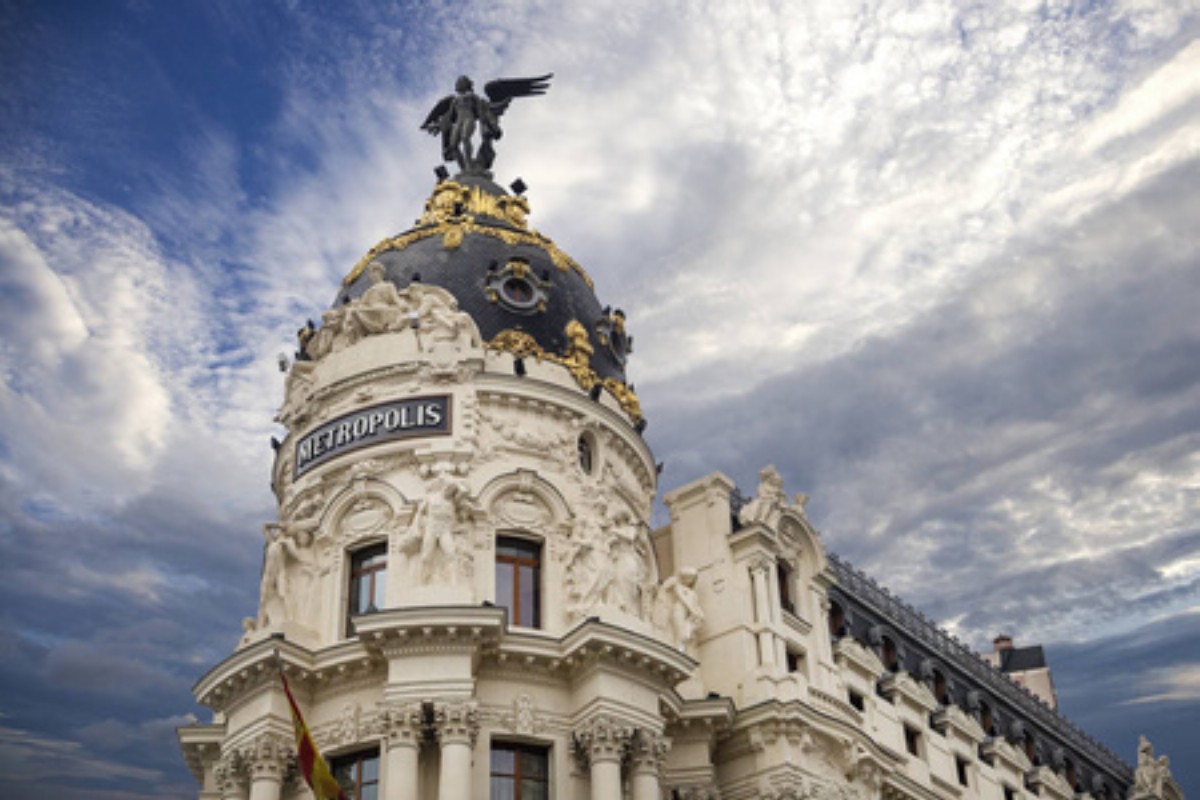
Spain’s public building standards also feature unique traits, such as those found in town halls, libraries, and museums. In addition to Spanish standard buildings functional design, they often preserve numerous historical elements. For example, a newly built library may incorporate Roman-style arches or Gothic window tracery. This approach maintains cultural heritage while enhancing the aesthetic quality of public spaces.
Choice of Building Materials
Many standard buildings take sustainability into account, for instance using locally sourced stone, recycled wood, and energy-efficient windows. This is driven not only by regulations but also by residents’ growing environmental awareness. The selection of materials often influences the building’s lifespan and maintenance costs.
My Impressions and Suggestions
If you plan to live long-term or invest in property in Spain, understanding these building standards can be very helpful. Whether renting or buying, noting details such as exterior materials, window types, and courtyard designs will enable you to assess the strengths and weaknesses of a house more quickly. Have you come across any particularly interesting designs or uniquely characteristic buildings? Feel free to share them in the comments.
