Standard Architecture and Lifestyle in Spain
After living in Spain for a while, you will notice that the architecture here has a strong regional character. Whether it is the stone houses of the north or the whitewashed towns of the south, each reflects a distinct cultural background and adaptation to climate. Walking down the streets, the building exteriors are not only an expression of aesthetics but also a record of history and everyday customs.
Residential Architecture
Spanish homes are mostly built of brick and stone, offering good earthquake resistance. Especially along the Mediterranean coast, roofs often feature red terracotta tiles. Many city apartment buildings have enclosed or semi-enclosed balconies, which not only increase living space but also provide insulation during the winter months. In the northern regions, thick stone walls are more common, designed to withstand cold and damp climates. 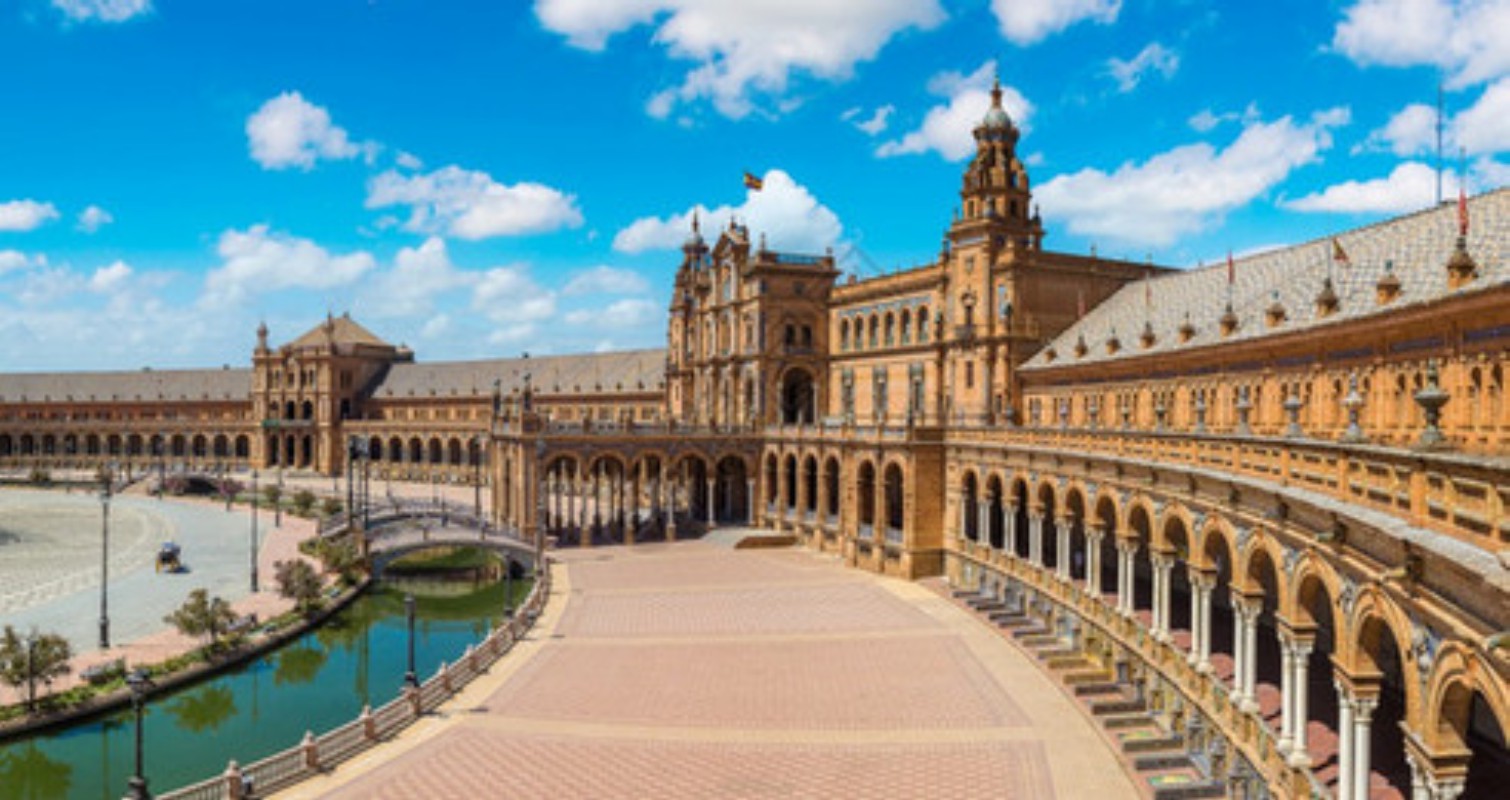
Public and Commercial Buildings
From town halls to shopping centers, public buildings in Spain often blend historical elements with modern design. Many new commercial spaces reference traditional courtyard layouts, using skylights to enhance comfort. Public buildings also prioritize accessibility to ensure ease of use for people of all abilities.
Historical Buildings
As a major tourist destination, Spain has preserved large numbers of medieval castles, Gothic cathedrals, and Moorish architecture. In Andalusia, Moorish-style arches and geometric tile patterns are especially iconic. These structures are not only popular tourist attractions but also rich resources for academic study.
| Building Type | Features |
|---|
| Moorish | Arches, mosaic tiles |
| Gothic | Spires, large stained glass windows |
| Baroque | Opulent decoration and carvings |
Structure and Materials
Spanish architecture pays great attention to durable and eco-friendly materials. Common materials include stone, terracotta, wooden beams, and Spanish Standard Architecture using recently popular eco-friendly concrete. Structures are optimized according to climate: in the south, ventilation design is emphasized, whereas in the north, extra insulation layers are added.
Conclusion
Standard architecture in Spain is not a single model but a diverse system shaped by geography, climate, and culture. Whether strolling through the modernist districts of Barcelona or resting beside the ancient walls of Segovia, you can sense the close connection between architecture and lifestyle. This bond makes Spain’s urban landscapes visually appealing and functionally practical, and it is well worth an in-depth exploration of Spanish Standard Architecture.
