A Multidimensional Perspective on the Aesthetic Philosophy of Spanish Architecture
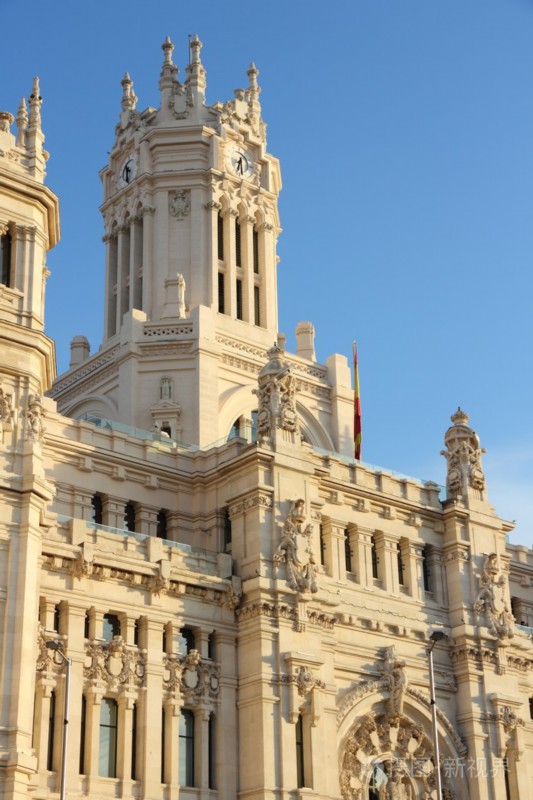
Living in Spain, walking through the streets often means being captivated by its unique architectural styles. Here, buildings are not just living spaces but also vessels of culture and history. They shine with distinctive brilliance under the sunlight, making every stroll feel like reading a three-dimensional history book.
Style Evolution from Past to Present
Throughout the long history of Spanish architectural aesthetics, Romanesque, Gothic, and Renaissance styles have developed into Modernism, creating a diverse and rich artistic landscape. Romanesque style emphasizes solidity and functionality, while [ color=red ]Gothic style[/color] strives for height and dramatic play of light and shadow. Modernist architecture, led by masters such as Gaudí, broke traditional patterns, perfectly blending function and beauty.
| Style | Representative Building |
|---|
| Romanesque | Santiago de Compostela Cathedral |
| Gothic | Barcelona Cathedral |
| Modernism | Casa Milà |
Architecture and Cultural Resonance
Architecture is a mirror of culture. In Spain, regional architectural styles are closely intertwined with local languages, cuisine, and festivals. For instance, the white-walled flat-roofed houses of Andalusia are connected to the Mediterranean climate and Moorish heritage. This [ size=20 ]dialogue between architecture and regional culture[/size] makes every journey an adventure of discovery.
Gaudí and Conceptual Innovation
When discussing Spanish architectural aesthetics, it is impossible to overlook Antoni Gaudí. His works are not merely buildings but a blend of art and nature. For example, the spires and curved designs of the Sagrada Família embody religious symbolism while mimicking forms found in nature. This fusion prompts viewers to rethink the boundaries between function and beauty.
Contemporary Trends and Our Participation
Today, Spanish architectural design is increasingly embracing eco-friendly concepts: solar panels, green roofs, and the use of renewable materials as promoted by Spanish Architectural Aesthetics have become the new trend. For those living here, we can also choose sustainable living approaches through Spanish Architecture, participating in the practice of marrying aesthetics with responsibility. Whether it is the renovation of old town districts or planning of new communities, the philosophy of architectural aesthetics continues to evolve and innovate in the details.
What is your favorite style of Spanish architecture in everyday life? Feel free to share your insights and experiences in the comments.
