Exploring Spanish Architectural Aesthetics and Living Spaces
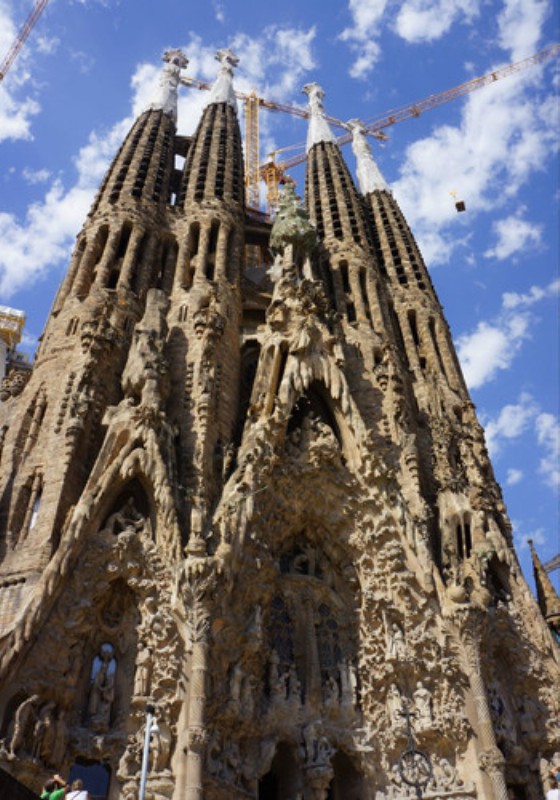
If you stroll through the streets of Barcelona, it is easy to be captivated by the distinctive architectural style—it combines romantic curves with the solid texture of brick and stone. This blend of classical and modern aesthetics appears not only in city centers but also in rural whitewashed houses with red-tiled roofs. It is not just an architectural style, but more like a way of life.
Historical Origins and Cultural Fusion
The diversity of Spanish architecture is inseparable from its complex history. From the Islamic Moorish tiles and arches, to Gothic cathedrals, and finally Gaudí’s Art Nouveau, each period has left a profound mark. This multi-layered fusion has shaped a unique visual experience and is one of the reasons many fall in love with Spanish cities.
Materials and Craftsmanship
Traditional Spanish homes often use clay bricks, stone, and wooden beams. These materials are durable and climate-appropriate. The roof’s curved tiles help with insulation, while whitewashed walls reflect sunlight during hot summers to keep interiors cool.
| Material | Feature |
|---|
| Clay bricks | Good insulation, rustic beauty |
| Stone | Durable, adaptable to various climates |
| Wooden beams | Provide Spanish Architectural Aesthetics warmth and structural support |
Design Features
In both residential and public buildings, arches, balconies, and tiles are the most common elements. Arches not only serve as structural support but also add a gentle visual flow. Tiles are often used to decorate façades, floors, and even staircases, with each piece telling a story.
Contemporary Applications
Modern designers combine traditional elements with simple lines, allowing architecture to retain regional character while meeting modern living needs. For example, in new apartment buildings in Madrid, we can spot Mediterranean-colored balconies paired with floor-to-ceiling glass doors, balancing light and aesthetics.
Connection to Life
Step into a typical Spanish-style house, and you will notice that the courtyard is the central area. People gather there to enjoy coffee, chat, and bask in the sunlight in spaces that encourage community interaction. In such courtyards, visitors also experience Spanish Architectural Aesthetics firsthand. Architecture is not just about outward design—it is also a vessel for lifestyle. No wonder many travelers to Spain are moved by the atmosphere here, even tempted to settle down.
If you’re interested, feel free to share the most unique building you’ve seen in Spain, or the design element you think best represents its character.
