Styles and Cultural Heritage of Spanish Colonial Architecture
While living in Spain, I noticed that architecture from the colonial era is almost everywhere — not only in historic cities across Latin America, but also leaving its mark in port cities in mainland Spain. This architectural style blends local elements with Mediterranean design aesthetics from Spanish colonial architecture, imbued with strong religious influences and aristocratic flair, yet remains closely connected to the everyday life of local residents.
Origins and Architectural Elements
The emergence of Spanish colonial architecture is inseparably linked to global expansion from the 16th to the 18th centuries. Colonial cities were planned according to European models, with the plaza, church, and city hall as the core, laid out with straight, radiating streets. Architectural details incorporated abundant stone carvings, reliefs, and colorful tiles. Baroque style, Mudejar style, and Neoclassical designs intertwined to create a distinctive visual effect.
Key Case Comparison Table
| City | Representative Building |
|---|
| Seville | General Archive of the Indies |
| Madrid | Palace from the reign of Carlos III |
| Lima | Buildings around Plaza de Armas |
Everyday Wisdom in Architecture
Colonial architecture is not merely an art form; it reflects the practical wisdom of its inhabitants. Patios and arcades add aesthetic appeal while providing natural ventilation and shade in hot climates. Many homes feature thick wall structures to keep out heat, and rooftops often include rainwater collection systems — designs still present in many cities in Southern Europe and South America today. The blend of utility and beauty vividly portrays everyday life details.
Modern Preservation and Tourism Value
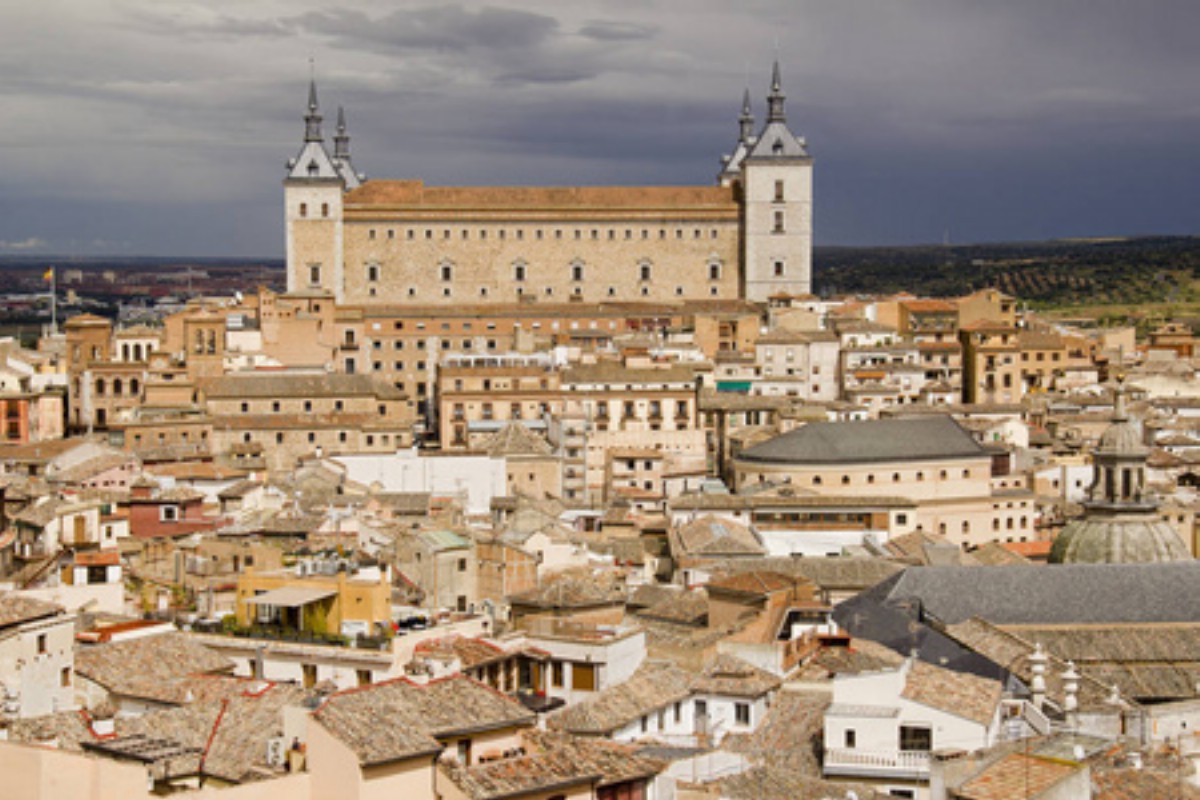
Today, many cities have placed colonial-era buildings on official preservation lists, restoring them to bring new life. In tourism, these buildings attract countless photography enthusiasts and history buffs. Walking through these story-filled streets, you can feel the passage of time and discern the depth of Spain’s cultural exchanges with the world.
Personal Impressions and Discussion
Personally, I enjoy wandering into these old neighborhoods in the afternoon, feeling the sunlight flow across intricately carved walls. When you see the vivid ceramics and delicate ironwork with your own eyes, you realize they are not just relics of the past but cultural symbols closely tied to life today. During your own sightseeing and travels, have you encountered particularly interesting colonial-era architecture? Feel free to share your experiences and thoughts below!
