Historical Background of Spanish Colonial Architecture
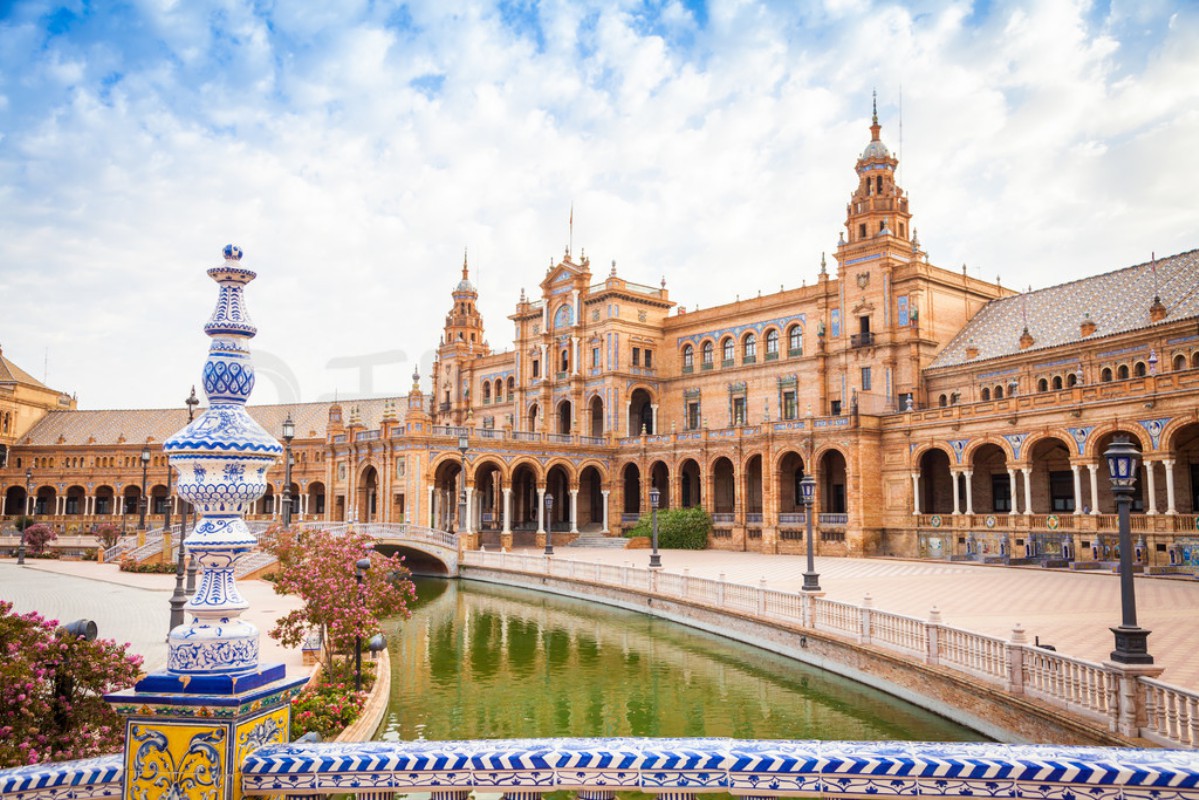
Spanish Colonial architecture emerged during the period of colonial expansion from the late 15th century to the early 19th century. As Spain established colonies in various regions of the Americas, Asia, and Africa, this architectural style gradually merged local materials and craftsmanship while preserving unique Iberian Peninsula aesthetic elements. Its main characteristics include thick walls, arched doors and windows, and vividly colored tile decorations.
In Latin America, such as Mexico and Peru, colonial-era architecture reflects European Baroque influences while incorporating indigenous artisans’ carvings and paintings. These structures are often found in old town districts, serving not only as historical witnesses but also as integral parts of local cultural heritage.
Key Style Elements
Common elements in Spanish Colonial architecture include:
| Element | Description |
|---|
| Red tile roofs | Made of terracotta, durable and insulating |
| Arched structures | Provide Spanish Colonial architecture with stability and visual appeal |
| Inner courtyards | Create private and ventilated spaces |
| Colorful tiles | Enhance decoration and regional character |
These design concepts draw inspiration from cities such as Seville and Granada, then blend with local culture in colonial settings.
Visual and Sensory Experience
Colonial architecture combines grandeur with intricate detail, with sunlight filtering through arched corridors to fall on colorful floor tiles, creating a soft interplay of light and shadow. Being surrounded by these features evokes an atmosphere where history and art intertwine, an experience that often leaves visitors reluctant to depart.
Contemporary Applications and Preservation
Today, many Spanish Colonial buildings have been transformed into museums, guesthouses, or cultural centers, retaining their original structures while integrating modern facilities. However, some face aging and environmental challenges, requiring specialized restoration and maintenance to prolong their lifespan.
Governments and civil organizations are promoting projects to protect and repurpose these buildings, ensuring they continue to play a role in community life.
Conclusion and Engagement
Spanish Colonial architecture is much more than a composition of bricks; it embodies cross-cultural communication and fusion. In present-day Spain and Latin America, many towns still preserve buildings of this style, making them valuable resources for travelers, photographers, and architecture lovers.
Have you encountered any fascinating Colonial architecture during your daily life or travels? Share your stories and photos in the comments, or discuss their historical significance.
