Introduction to Spanish Renaissance Architecture
Spanish Renaissance architecture, which emerged from the late 15th to early 17th centuries, represents the embodiment of Renaissance ideals on the Iberian Peninsula. This style blends the proportions and lines of Italian Renaissance with Spain’s own historical elements, resulting in buildings that are both elegant and dignified. It is an important chapter in Spain’s historical and cultural heritage, and traces of it can still be seen in many cities today.
Origins and Background
During Spain’s Golden Age, trade, exploration, and cultural exchange often brought Spanish architects into contact with Italian artistic ideas. Architects began replacing Gothic soaring spires with classical columns and symmetrical facades. The Renaissance style spread rapidly in this context, becoming integrated into the design of royal palaces, universities, and town halls.
Distinctive Features
The hallmarks of Spanish Renaissance architecture are striking:
| Element | Description |
|---|
| Facade | Symmetrical layout, often divided into three sections with a prominent center |
| Decoration | Complex stone carvings, often featuring crests, floral motifs, and religious symbols |
| Materials | Local stone mixed with brick, offering high durability |
These designs emphasize balance and proportion, making buildings both graceful and stable. They reflect the combination of art and engineering in their details.
Famous Examples
One notable example is the main façade of the University of Salamanca, which showcases exquisite reliefs and inscriptions and is a hallmark of Spanish Renaissance architecture. Another example is the Church of San Pablo in Valladolid, a quintessential case of Spanish Renaissance architecture, blending late Gothic elements with Renaissance features. 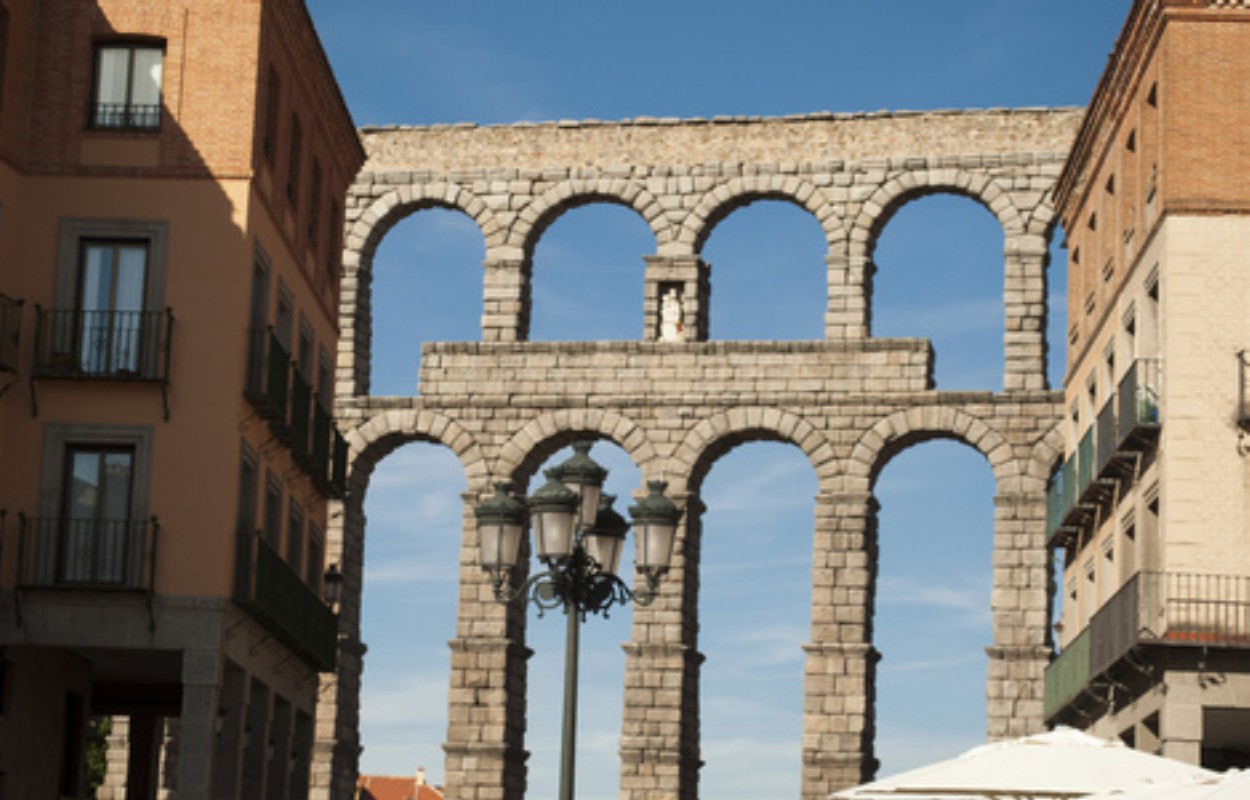
How to Appreciate and Travel Tips
If your Renaissance Route Spanish architecture travel plan includes Spain, it is recommended to include Salamanca, Toledo, and Seville on your itinerary. The old towns of these cities preserve many Renaissance-style buildings, and strolling through them feels like stepping back hundreds of years. Visiting in the early morning or at sunset is advised, as the lighting enhances the shadow depth of the stone carvings.
Conclusion and Discussion
Spanish Renaissance architecture is not only a witness to history but also a product of cultural exchange. Its beauty never fades, and whether you are an architecture scholar or a travel enthusiast, you will find a unique charm in it. Have you ever visited any Spanish Renaissance architecture? Feel free to share your experiences in the comments.
