The Unique Allure of Spanish Renaissance Architecture
Among Spain’s many historical buildings, Renaissance architecture undoubtedly shines as a brilliant gem. This style emerged in the 16th century, influenced by the Italian Renaissance, yet in Spain it fused local elements and religious characteristics, creating a unique visual and cultural resonance. Strolling through cities like Toledo and Salamanca, one can see this elegant architectural expression everywhere.
Historical Background and Origins
The introduction of Renaissance architecture into Spain was filled with the drama of its era. At that time, the royal court and the church aimed to express their power through grand buildings, embodying both humanist spirit and religious faith. Architects incorporated symmetry, proportion, and classical orders into churches, palaces, and municipal buildings, giving Spanish cities a revitalized appearance.
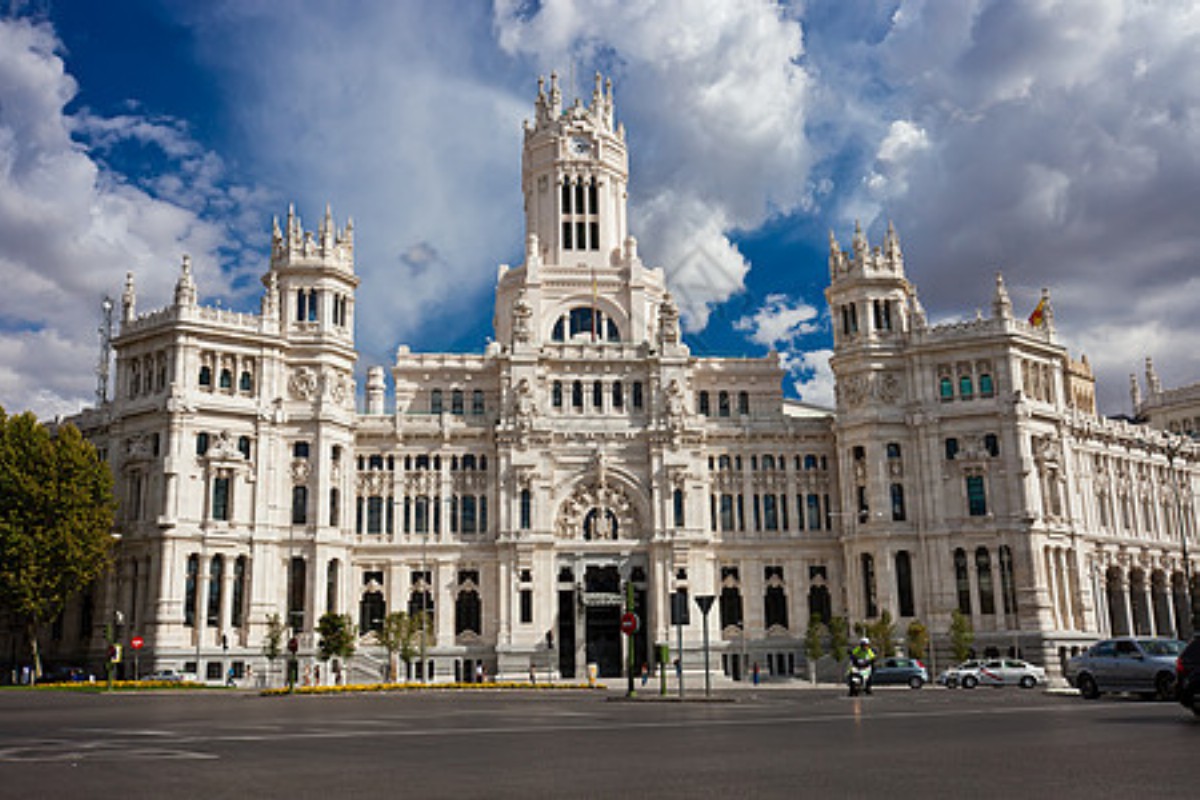
Architectural Features
The table below lists the typical features of Spanish Renaissance architecture:
| Feature | Description |
|---|
| Symmetrical layout | Building plans focus on balance and proportion |
| Classical orders | Frequent use of Ionic and Corinthian columns |
| Carved details | Lintels and window frames often feature carvings with religious or botanical motifs |
| Courtyards | Common in palaces and mansions, providing Spanish Renaissance style architecture with light and ventilation |
This blend of grandeur and refinement is not only a display of architectural technique but also a vessel for the cultural spirit of the time.
Famous Examples
At the main entrance of the University of Salamanca, intricate carvings and complex stonework inspire awe. The Humboldt Palace, the Town Hall, and various districts of Granada also preserve a wealth of Renaissance architectural heritage. Walking through them feels like entering a time capsule spanning centuries.
Modern Influence
Today, Spanish Renaissance architecture continues to influence contemporary design. Some architects, when constructing new municipal buildings, draw inspiration from symmetrical layouts and classical orders, making modern spaces both functional and rich in historical charm. This inheritance and innovation bring a unique cultural continuity to cities such as Spanish architecture on Fuxing West Road.
Conclusion
Whether you are an architecture enthusiast or a casual traveler, attentive observation will reveal the beauty in the details of Spanish Renaissance architecture and its profound impact on later generations. Perhaps, on your next trip, you could plan a themed route to experience firsthand these spaces where history and art intertwine, and immerse yourself in their charm.
