The Charm of Spain’s Red-Style Architecture
While strolling through the streets of Spain, you’ll encounter many buildings with striking red facades—a color deeply connected to the region’s cultural heritage and architectural history. Red is not only a visually bold choice but also a result of traditional materials and adaptation to the local climate.
Red buildings are common in Andalusia, Castile, and in some Mediterranean coastal cities such as those featuring the Spanish Red House. Local clay, red brick, and sandstone naturally have warm hues that make buildings more vivid under sunlight. 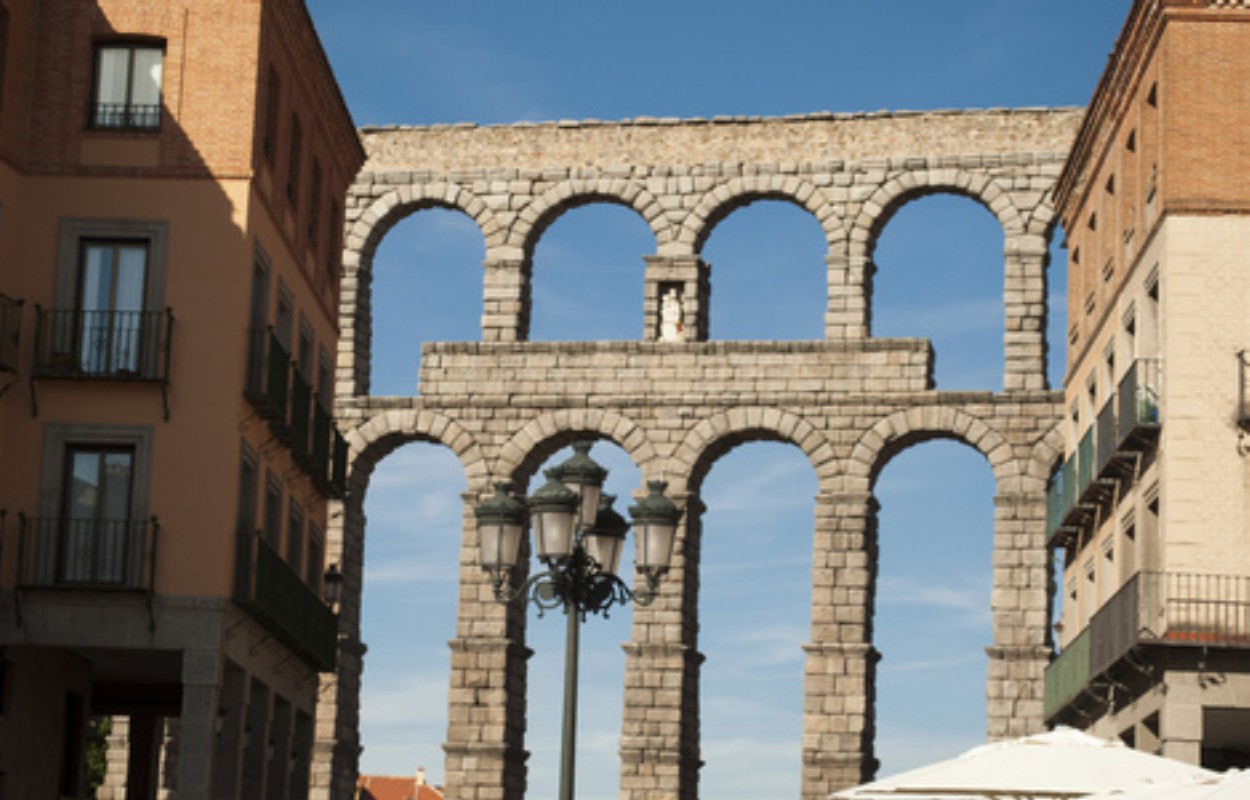
Materials and Craftsmanship
In traditional Andalusian homes, red tones often come from locally fired clay bricks—materials that help reflect heat in summer and reduce indoor temperature rise. In some areas, surfaces are coated with lime mixed with natural pigments, producing variations from soft to intense shades of red.
| Material | Feature |
|---|
| Clay brick | Insulation, rich color |
| Sandstone | Rugged texture, natural warmth |
| Lime coating | Adjusts brightness and texture of color |
Representative Architecture
When it comes to Spain’s red-style architecture, Seville’s Plaza de España is a must-see. Its exterior walls combine various red bricks and ceramic elements, paired with arched galleries and tile murals, showcasing the most elegant red aesthetic. At sunset these reds become softer, and the Spanish Red Forest Architecture exudes poetic charm.
In some historic neighborhoods of Madrid, numerous apartment buildings with red facades are preserved. Against the blue sky, they create a distinctive urban color impression—romantic yet humble, reflecting the authenticity of the materials and the climatic needs of the region. This style does not pursue luxury but respects the inherent character of building materials and local climate requirements.
Urban Aesthetics and Living Experience
Walking through the old quarters of Granada and Córdoba, the combination of red walls and wooden doors/windows is unforgettable. The warmth of the colors imbues the streets with a welcoming atmosphere, giving residents daily visual pleasure. This style is not only a historical legacy but also an example of finding harmony between people and spaces in modern cities.
Today, more designers are re-evaluating the value of red in new projects, blending traditional materials with contemporary architectural concepts to enhance functionality and energy efficiency while retaining regional character.
Integrating tourism and cultural experiences, Spain’s red-style architecture works in harmony with local sunshine, blue skies, and street life, becoming the Spanish Red-Style Architecture that shapes unforgettable urban scenes in many people’s memories.
