Origins and Background of Red Forest Architecture
Spain’s Red Forest architecture is a unique fusion of natural landscapes and human creativity. Most of these buildings are located in the mountainous areas of Catalonia and Andalusia, using the dense greenery of the forest as a backdrop, but featuring striking red stone or terracotta facades such as the Spanish Red House, making them stand out vividly against the green surroundings.
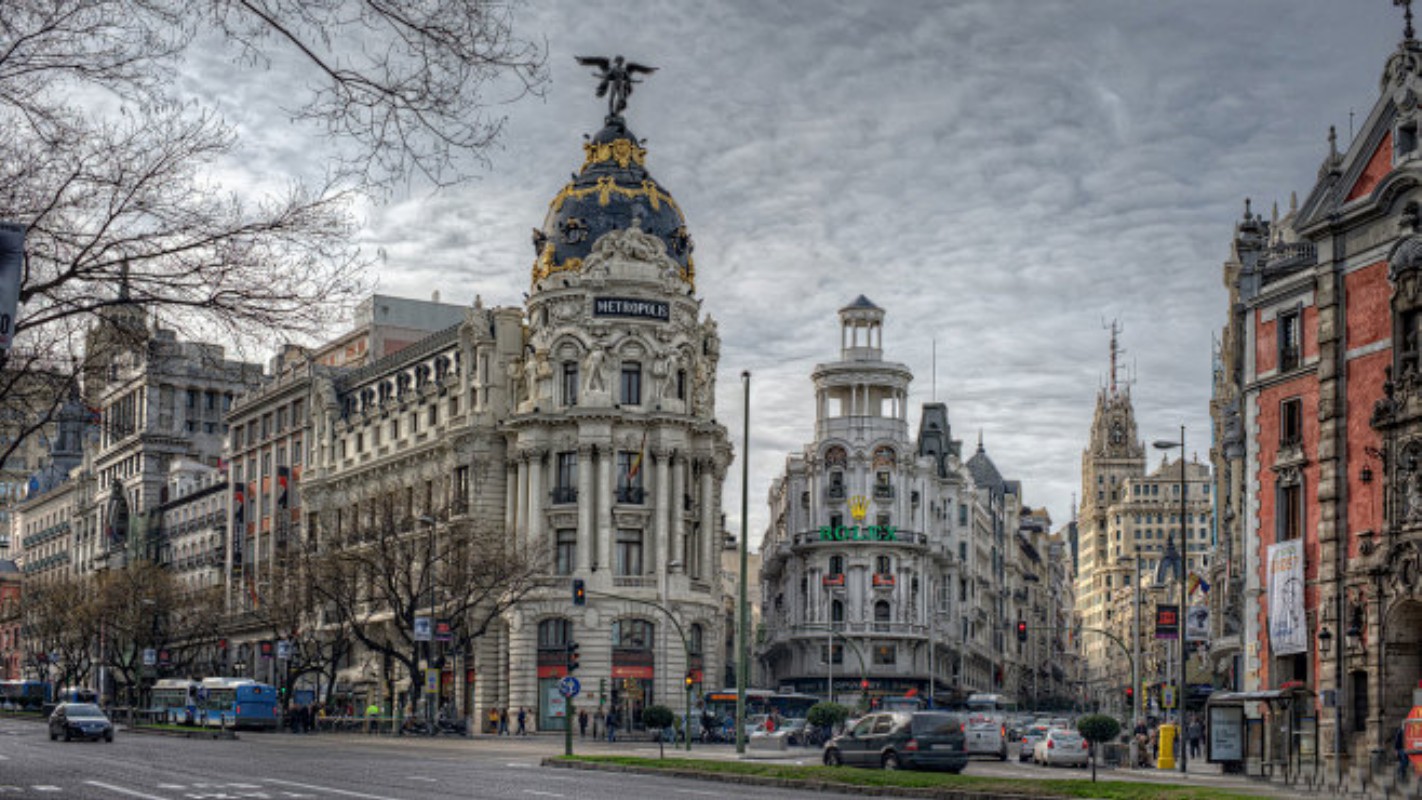
This design inspiration comes from the local geological conditions—iron-rich soil gives the stone its natural red color. Historically, red was not only an aesthetic choice but also symbolized warmth and vitality.
Architectural Features Analysis
Red Forest buildings often use masonry structure combined with timber frames to ensure stability and adapt to the humid climate. Windows and balconies are generally large, allowing natural light and forest air to flow inside. Many roofs incorporategreen coverings to blend further into the environment.
| Feature Element | Function & Significance |
|---|
| Red stone | Offers visual identity and moisture resistance |
| Timber frame | Improves structural flexibility and durability |
| Plant-covered roof | Enhances insulation and ecological harmony |
Integration with Ecology
In terms of design, Red Forest architecture emphasizes harmonious coexistence with its surroundings. Some buildings even adopt low-impact construction methods to avoid damaging the original forest ecosystem. Visitors can clearly feel the care taken in environmental protection when viewing these structures.
The local community regularly organizes environmental activities, such as forest clean-ups and vegetation protection. This not only safeguards the environment where the buildings stand but also encourages residents and tourists to jointly participate in ecological preservation. Such community involvement is the driving force behind the ongoing vitality of these buildings.
Tourism and Experience
Visiting Red Forest architecture has become a cultural tourism highlight in certain regions. As you step into them, you’ll hear birdsong and the rustle of leaves, and see sunlight dancing across the red walls. If you come in autumn, the interplay of forest and building colors becomes even more enchanting.
To enhance the experience, local tourism departments have opened hiking routes and guided tours, allowing visitors to walk through forest trails and gain a deeper understanding of each story behind the Spanish Red Style Architecture.
Conclusion and Discussion
Red Forest architecture is not only part of Spain’s architectural history but also a lifestyle that reflects sustainable development principles. Perfectly combining nature, culture, and art, it is worth stopping to appreciate for anyone visiting Spain. If you have ever set foot in such a forest of Spain’s Red Forest Architecture, feel free to share your experience—you may discover that these buildings offer distinctly different charms throughout the seasons.
