Characteristics of Classic Spanish Architectural Sculptures
To truly experience the soul of Spanish cities, classic architecture and sculptures are indispensable elements. Whether strolling along the main streets of Madrid or sitting in a square in Barcelona, you will be captivated by the stories told through each piece of stone and finely crafted metalwork.
Historical Background
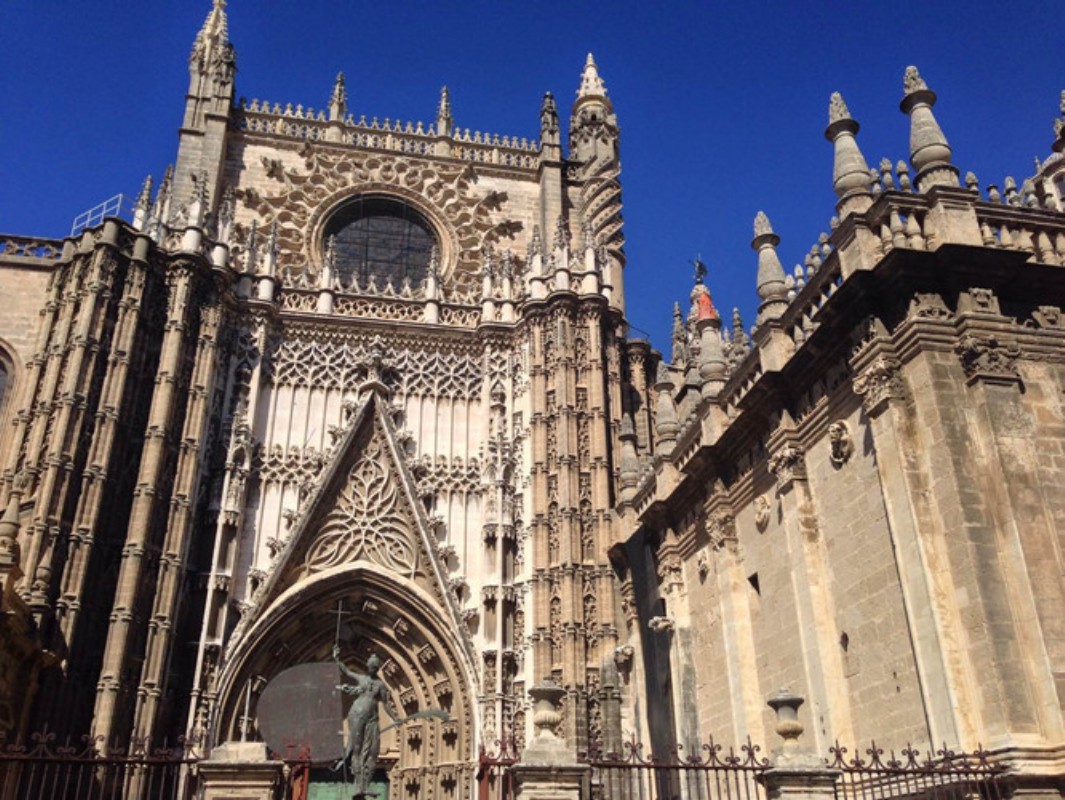
Spanish architectural sculpture styles are deeply influenced by Roman, Gothic, and Renaissance periods. Many cities built magnificent cathedrals and municipal buildings during the Middle Ages, which not only possess structural beauty but also feature abundant intricate carvings on walls, colonnades, and cornices, reflecting both religious and humanistic spirit. The smallest details seem to preserve the warmth of history.
Representative Styles
In Catalonia, Gaudí’s works gave architectural sculpture a new definition—a fusion of curves, natural forms, and color. By contrast, the Mudéjar style in Andalusia reflects a blend of Islamic art and Christian architecture, a hybrid particularly evident in elaborately carved stone columns and glazed tiles.
Classic Examples
| City | Architectural/Statue Name |
|---|
| Madrid | Statue in front of the Prado Museum |
| Barcelona | Facade sculptures of the Sagrada Família |
| Seville | Cathedral and Giralda Tower |
These representative works of Spanish architectural sculpture craftsmanship are not only a visual feast but also an entryway into Spanish history and culture. Walking up the stone steps of these buildings, you can almost hear the whispers of time.
Travel Tips
If your Spanish architectural sculpture journey is planned for an in-depth exploration, you can divide the itinerary by region—for example, visit Gothic cathedrals in the north, Baroque municipal buildings in the center, and Mudéjar courtyards in the south. Seasonal light will bring out different moods in sculpture details, so it is recommended to photograph them in the early morning or at dusk.
Cultural Significance
Spain’s classic architectural sculptures are not just art pieces but also vessels of social memory. From heroic statues in town squares to religious scenes on cathedral facades, these works embody the emotions of a city and deserve to be quietly appreciated and savored during your travels.
