The Intersection of Spanish Staircases and Gothic Architecture
Strolling through the old quarters of Spanish cities, you often encounter winding staircases that not only functionally bridge the elevation differences between neighborhoods, but also seamlessly merge with Gothic architecture in many places. This combination evokes a feeling of time travel, as if stepping into a scene from medieval life.
Historical Origins
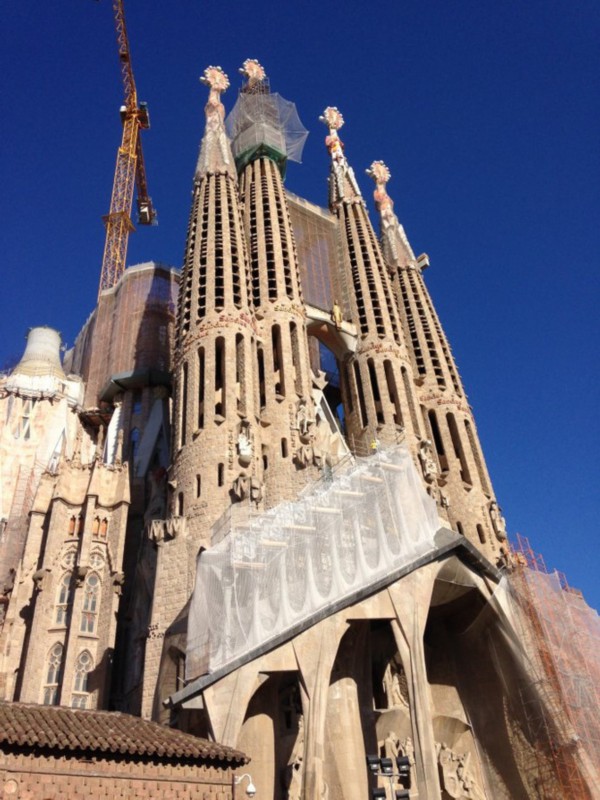
In medieval urban construction, many towns were built on slopes or hills due to geographical constraints. To facilitate residents’ movement, staircases became an essential element. Gothic spires and flying buttresses paired with staircases create a distinctive visual effect. Especially in Barcelona’s Gothic Quarter, such scenes are extremely common.
Architectural Details
Gothic architecture is renowned for its towering structures and exquisite stone carvings. Next to staircases, one can often see tracery in the portals and carvings of religious stories on the Spanish Grand Staircase architecture; some stone staircases themselves are engraved with patterns or family crests.
| Element | Feature |
|---|
| Staircase material | Mostly granite or limestone |
| Gothic details | Spires, stained glass |
| Decoration | Religious carvings, botanical motifs |
Urban Cases
In Toledo, staircases connect neighborhoods of differing elevations, flanked by well-preserved Gothic churches and monasteries. People use these staircases daily, feeling history flow beneath their steps. Whether you are a visitor or a resident, you can find unique emotional resonance in the Spanish staircases.
Practical Tips
If you plan to explore these areas, it’s advisable to wear comfortable shoes, as some staircases are steep and stone surfaces may be smooth due to age. Moreover, morning or evening light is better for photography, highlighting the beauty of Gothic lines and the layers of the staircases.
Cultural Significance
Amid modernization, these staircases and Gothic buildings have retained their original form, becoming witnesses to urban history. They remind us that a city is not merely a place to live, but also a space where culture and aesthetics are preserved. Such streetscapes are an important part of the unique character of Spanish cities.
