Architectural Style and History of the Spanish Steps
When speaking of Rome’s landmarks, many people think of the Colosseum or the Trevi Fountain, but in tourist photos, the Spanish Steps also appear frequently as a backdrop. Although “Spanish” is in its name, it is actually located in the heart of Rome, Italy, and is associated with the Spanish Embassy. So Spanish Steps Gothic architecture — what architectural style does it truly belong to?
History and Origin of Its Name
The Spanish Steps were completed in the early 18th century as a result of a cultural collaboration between France and Spain. They connect the Trinità dei Monti church with the Piazza di Spagna. The architect at the time combined the curves of the Baroque style with a tiered stairway design. This design was not only for the practical purpose of ascending but also to embody the artistic quality of the cityscape.
Characteristics of the Architectural Style
Baroque style is clearly reflected in the Spanish Steps, for example, the rhythmic arrangement of steps, variations in tread width, and how they harmonize with surrounding buildings. The table below summarizes its stylistic characteristics:
| Feature | Description |
|---|
| Curved layout | Enhances spatial flow |
| Symmetry | Improves visual balance |
| Landscape integration | Merges seamlessly with the church and the square |
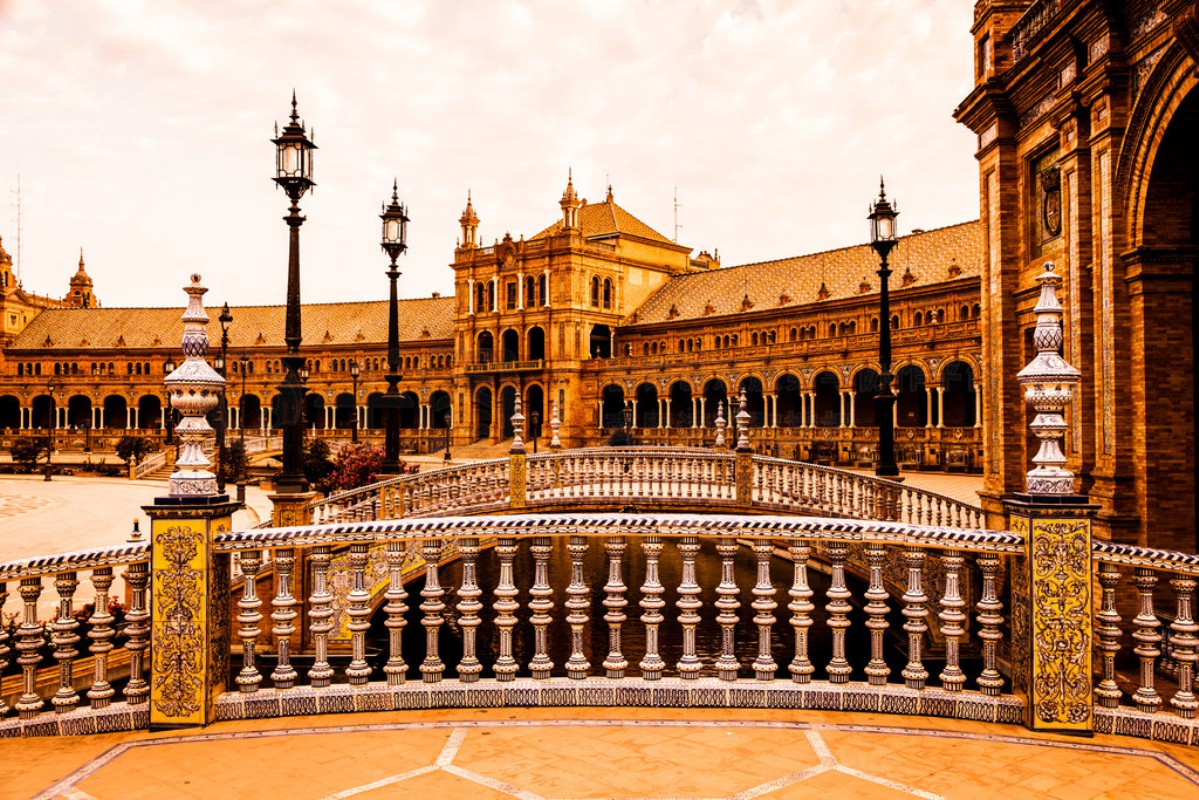
Experiencing the Spanish Steps
Walking up the steps, you’ll find each section offers a unique view. Staying here at different times of day allows you to experience the interplay of light, shadow, and the movement of people. In the morning sunlight, the steps feel fresh and tranquil, while in the evening they take on a more romantic air.
Cultural Significance and Preservation
It is not only a tourist attraction but also part of everyday Roman life. Locals rest, chat, and even read here. In recent years, to protect its stone from wear, the city government has enhanced maintenance and introduced regulations to limit eating and drinking on the steps. Such protective measures help preserve the building’s original appearance.
Conclusion
The Spanish Steps are a classic example of Baroque urban landscape architecture, blending functionality with artistry. Whether you are an architecture student, a photography enthusiast, or simply a visitor, there are myriad details here worth appreciating. If you are planning a trip to Rome, Spanish Grand Steps architecture is definitely worth adding to your itinerary.
