Introduction to the Spanish Institute of Architecture
Located in Madrid, the Spanish Institute of Architecture is a comprehensive organization dedicated to architectural design, historical research, and urban planning. It is not only a center for academic study but also an important cultural exchange space open to the public. Many visitors come here not just for professional learning, but also to immerse themselves in the city’s unique architectural fabric.
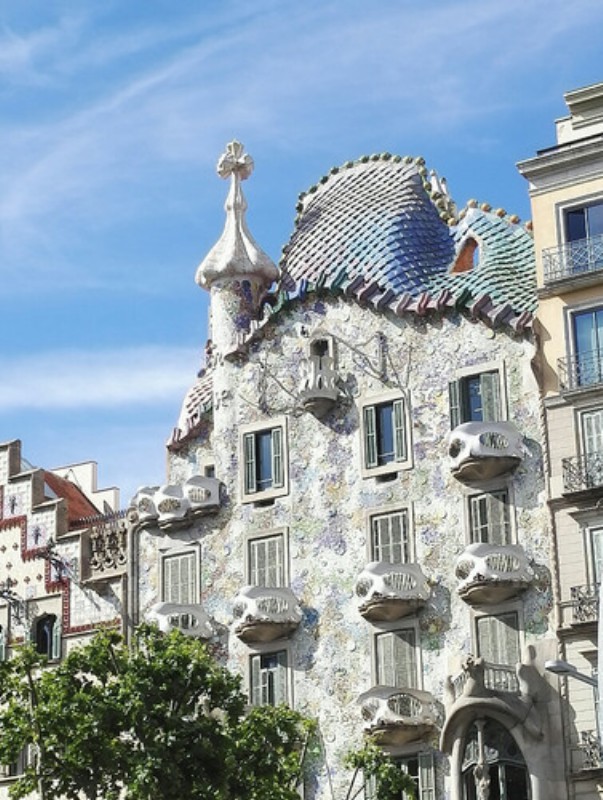
History and Background
The Institute’s history dates back to the early 20th century, when it was established to protect traditional architecture and explore modern design. Over time, it has gained significant influence within Europe’s architectural community. The archive here holds a wealth of precious blueprints and models for students and professionals to consult. This openness has gradually turned the Institute into a platform for cross-disciplinary exchange.
Research Focus
The Institute’s work covers multiple disciplines, including:
| Field of Research | Key Content |
|---|
| Preservation of Traditional Architecture | Restoration of cultural relics, surveying of historic buildings |
| Contemporary Architectural Design | Urban public spaces, green architecture |
| Urban Planning | Sustainable development, transportation and layout |
Among these fields, the fusion of architecture and everyday life is one of the core concepts. Sustainability is not only an environmental requirement but also a vital factor in enhancing urban livability.
Public Activities
Every year, the Institute organizes various public activities including exhibitions, lectures, and architectural walks. These events are offered free or at low cost, encouraging community participation. For example, you can register for a guided tour to learn about the Spanish Postgraduate Architecture changes in the façades of Madrid’s old town, and witness firsthand how designs from different eras intertwine along the streets.
These activities are not only cultural experiences but also learning opportunities, especially suited for those interested in architecture or urban culture.
Applications in Daily Life
Everyday life in Spain is closely connected to architecture. With the support of the Institute, many communities have begun to value the beautification and functional improvement of public spaces. This not only enhances residents’ quality of life but also makes the city more attractive. For those relocating to Spain, understanding such institutions can help better adapt to local life and find more [Spanish architecture] inspiration in daily routines.
Conclusion
The Spanish Institute of Architecture is not only a temple of professional scholarship but also an essential part of urban culture. Whether you are an architecture enthusiast, a student, or a local resident, this place is worth exploring. It shows that architecture is not just about buildings, but is also a lifestyle and a form of cultural expression.
