The Charm of Colorful Spanish Building Facades
Walking through the streets of Spain, it is hard not to be captivated by rows of vividly colored buildings. They are not only a favorite subject for photography enthusiasts but also a reflection of the city’s cultural identity. Whether it’s the pink facades of Andalusia in the south or the blue-and-white coastal towns along the Mediterranean, every hue has its own story.
Historical Background and Heritage
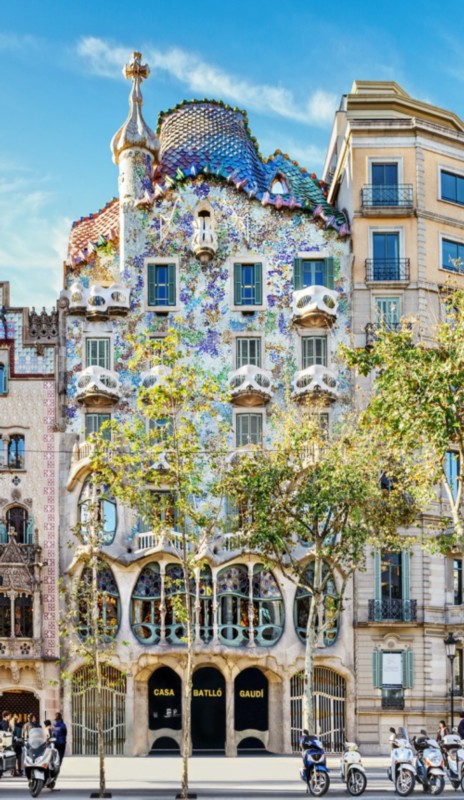
The choice of colors in different Spanish regions often originates from historical and geographical conditions. For example, some neighborhoods in Barcelona have been influenced by the modernist architect Gaudí, emphasizing natural elements and bright tones. Buildings in the Canary Islands, on the other hand, use light-colored walls to reflect sunlight due to the oceanic climate.
| City | Representative Palette |
|---|
| Seville | Yellow and white |
| Valencia | Orange and blue |
| San Sebastián | Blue and white |
Color Elements in Contemporary Design
Modern Spanish architects maintain traditional colors while incorporating new materials and techniques. From glass curtain walls to intricate metalwork, color is no longer limited to paint alone. The rise of green roofs not only supports sustainability but also breathes life into the cityscape.
The Relationship Between Color and Urban Life
In certain neighborhoods of Madrid, house colors directly reflect the residents’ sense of community identity. This use of color even influences shop signs, street art, and festive decorations. Some say these colors are the emotional barcode of the city, constantly updated every day.
Travel Tips
If you plan to experience these colorful facades in person, it is recommended to visit during bright morning light or just before sunset for softer, layered tones. Bring along a lightweight camera to capture intricate details—the carved window frames, wrought iron doors, and the vine-covered walls adorned with colorful tiles, all of which form the soul of colorful architecture.
In Spain, you’re not just looking at a house—you’re reading the living story of a city.
