Exploring the Spanish-Style Architecture of Wudadao
Wudadao, located in the heart of Tianjin, is an area full of historical ambiance. Here you can find old buildings in styles from Britain, France, Italy, and more, but the Spanish-style architecture is particularly striking. Walking beneath the tree-lined streets, you may unexpectedly encounter facades in vivid colors and graceful lines. They resemble travelers from the Mediterranean, standing quietly for a hundred years on the land of northern China.
Typical Architectural Elements
Spanish-style buildings often feature thick exterior walls and red-tiled roofs, with distinctive arched doors and windows. Balconies usually have wrought iron railings, paired with white or light yellow walls, creating an especially romantic look. Especially under the sunlight, these designs make you feel as if you’re wandering the old streets of Barcelona. 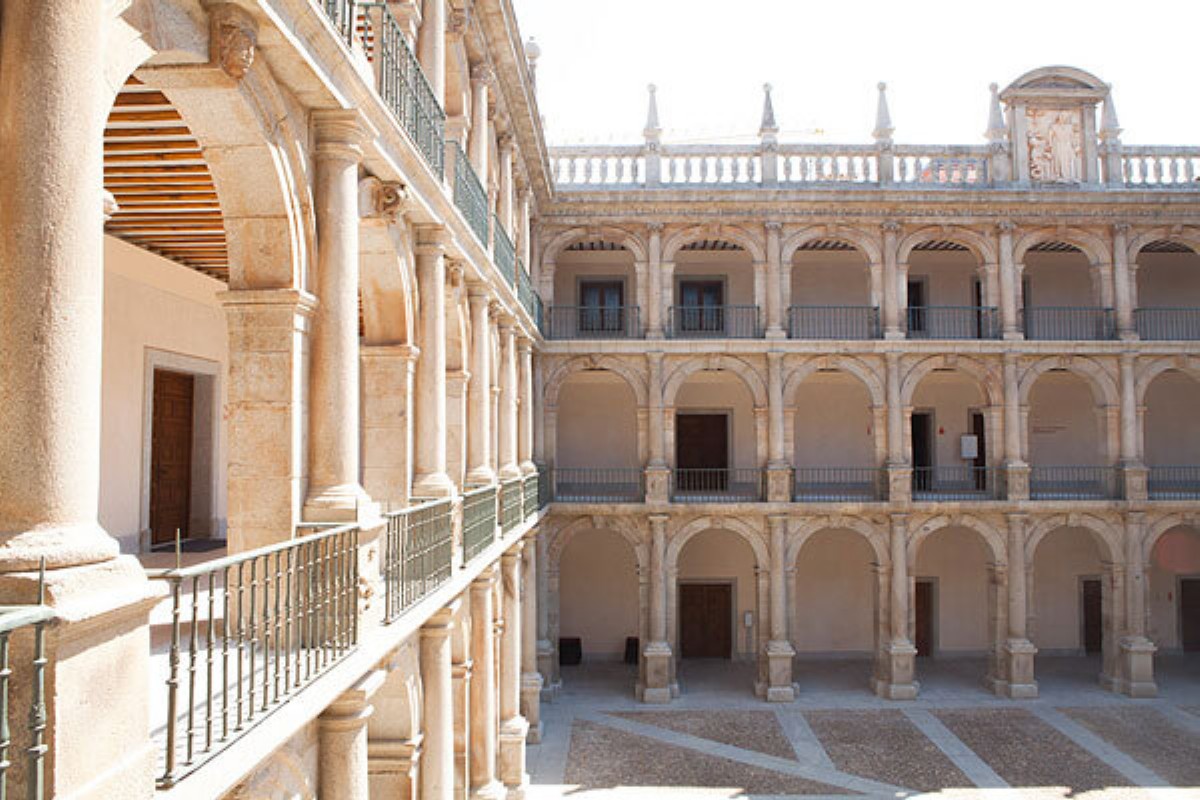
| Architectural Element | Feature Description |
|---|
| Red-tiled roofs | Strong insulation, warm visual effect |
| Arched windows | Enhance natural light and aesthetics |
| Wrought iron balconies | Combine decoration with practicality |
Historical Background
In the early 20th century, Tianjin was an important trading port that attracted many foreign merchants and architects. The appearance of Spanish-style architecture here is closely linked to cultural exchange with the West at the time. Most of these buildings were private residences or clubhouses, and today you can still see their original stone and woodwork details. Stepping into a meticulously restored Spanish villa feels like you can almost hear the music from lavish banquets of the past.
Visiting Tips
If you plan to explore Wudadao’s Spanish-style buildings, it’s best to check opening hours and exact addresses in advance. Some buildings remain private residences and are not open to the public, while others have been converted into exhibition halls or cafés—perfect for resting and taking photos. Please avoid lingering excessively in residential areas, and maintain quiet and polite behavior.
Cultural Value
These buildings are not only witnesses to Tianjin’s urban history but also carriers of cross-cultural exchange. Every brick and tile holds stories that span half the globe. For those interested in studying architectural aesthetics and cultural history, Spanish Avenue Architecture, Wudadao is undoubtedly a three-dimensional textbook.
Conclusion
The presence of Spanish-style architecture in Wudadao is part of the area’s multicultural identity. With elegance, they tell tales of past prosperity and today’s tranquility. Next time you stroll here, you might be moved by the play of light and shadow behind an arched window—that is the gentle gift of time to this neighborhood.
