Characteristics of Spanish Architectural Facades
After living in Spain for a while, whether strolling through the city center or relaxing in a seaside town, it’s hard not to be captivated by the architectural facades lining the streets. These buildings are not only living spaces but also a reflection of history and culture. Their charm lies not only in the shapes, as shown in the Spanish Architectural Facade Regulations, but also in the intricate details.
Colors and Decorations
Spanish architecture stands out for its distinctive color schemes. In the southern Andalusian region, whitewashed walls are often paired with blue or green window frames, making them appear especially bright in the sunlight. In places like Barcelona, Gaudí’s works use rich mosaic tiles to create flowing colors. 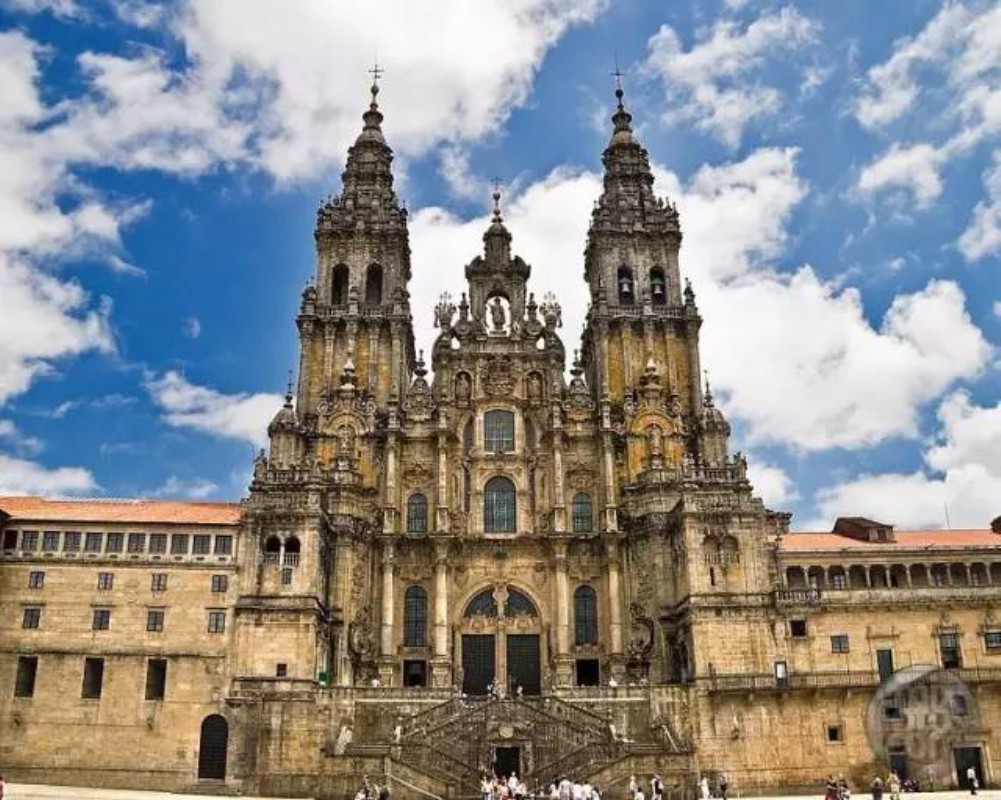
Materials and Structure
Traditional homes often use stone, wood, and ceramics, chosen not just for aesthetics but also for climate adaptability. For example, thick stone walls help keep interiors cool in summer, while wooden balconies foster social interactions and relaxation in everyday life.
| Material | Features |
|---|
| Stone | Insulation, weather resistance |
| Wood | Natural beauty, easy to craft |
| Ceramic | Strongly decorative, waterproof |
Spatial Layout
Unlike the compact nature of modern apartments, many houses in historic districts have spacious courtyards and atriums that allow light and air to circulate. Planting citrus trees or flowers in these courtyards is also part of residents’ lifestyle aesthetics. This layout not only enhances the living experience but also creates a distinctive community atmosphere.
Historical Influence
Spanish architectural styles are heavily influenced by Roman, Arab, and Gothic traditions. For example, arched windows and intricate geometric decorations from the Moorish period are preserved in the Alhambra in Granada. Gothic church spires and flying buttresses symbolize the religious power of the Middle Ages.
Modern Integration
Today’s newly built homes often incorporate modern materials into their facades, with Spanish Architectural Facade elements such as steel and glass, while retaining traditional touches. You’ll find balconies, small courtyards, and even ceramic ornaments on modern buildings. This fusion brings both convenience and a sense of cultural warmth.
Spanish architectural facades are not only worth photographing but also exploring in detail. Especially when comparing different cities, you’ll discover rich stories of life and history hidden behind them.
