Overview of Spanish-Style Architectural Facades
Spanish-style architecture can be found throughout local neighborhoods, with distinctive rooflines, colors, and materials that make them instantly recognizable. Inspired by design from the Mediterranean coastline, these structures naturally combine history with modern living. Its façade is both artistic and functional, which is especially advantageous in sunny cities.
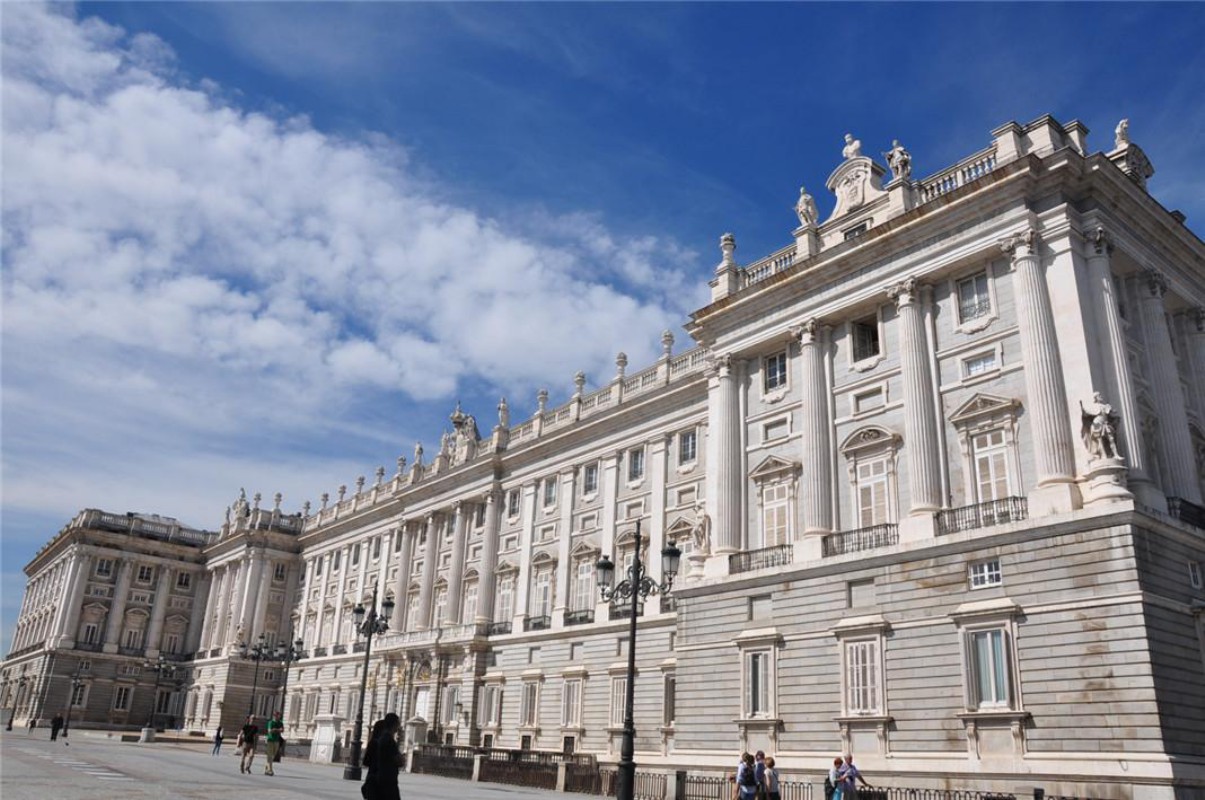
Roof and Wall Elements
Most Spanish-style roofs are covered with red clay tiles and have a gentle slope, allowing effective drainage while maintaining visual warmth. Walls are often finished in white or beige stucco, which reflects sunlight and brightens the overall feel. Combined with wooden window frames or arched windows, they create a harmonious façade composition. This makes indoor lighting softer, resulting in a more comfortable living experience.
Common Facade Features Table
| Architectural Element | Feature Description |
|---|
| Roof | Red clay tiles, low slope |
| Walls | White stucco, coarse texture |
| Windows | Arched, wooden frames |
| Balcony | Iron railings, floral accents |
Courtyard and Detail Design
The courtyard is often the soul of Spanish architecture. The central layout not only ensures good airflow but also offers families Spanish Architectural Facade Norms as a comfortable space to relax. Many residents place a fountain at the center, surrounded by orange trees or herbs, creating a light fragrance in the air. Floor tiles are usually handcrafted ceramic mosaics, resistant to rain while showcasing local craftsmanship.
Colors and Decorations
Beyond the classic white walls and red tiles, Spanish façades may incorporate blue ceramic tiles, green shutters, or yellow trim lines. Under sunlight, these vivid colors become striking, making the entire building radiate energy and romance. From door handles to balcony railings, decorative details are carefully selected, reflecting the residents’ pursuit of beauty.
Climate-Adaptive Design
With most areas of Spain enjoying a warm and dry climate, façade designs focus on insulation and ventilation. Thick walls block summer heat and retain warmth in winter; arched windows and balconies bring soft natural light indoors without glare. This design philosophy is not only visually appealing but also Spanish Architectural Facade Features highly practical, which explains its widespread use in many Mediterranean countries.
