Analysis of Differences Between Spanish and Italian Architecture Architectural Style Differences
In the history of art and design development in Europe, Spain and Italy are two shining jewels. Although geographically close, the architectural styles of the two countries present distinctly different appearances. These differences stem not only from historical backgrounds but are also closely related to culture, religion, and geographical environments.
Different Historical Origins
Spanish architecture has been heavily influenced by Islamic culture, especially in Andalusia, where Moorish styles blend with Gothic cathedrals. In contrast, Italian architecture has inherited the legacy of ancient Rome and reached its pinnacle during the Renaissance. The differences in historical context lead to different cultural expressions in architecture.
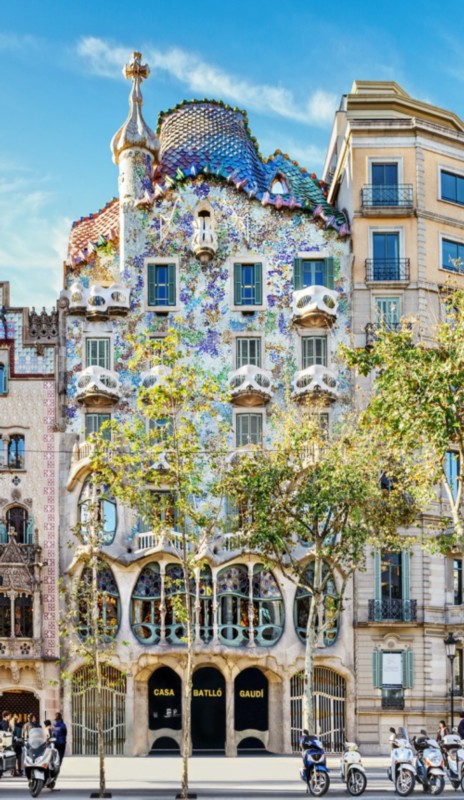
Use of Materials and Colors
In Spain, whether red brick, terracotta tiles, or brightly colored ceramics, the design reflects a passionate and intense regional character. Meanwhile, Italy prefers marble, stucco, and façades in soft pastel tones, giving an overall impression that is more refined and classical.
| Spanish Building Materials | Italian Building Materials |
|---|
| Red brick, colorful tiles | Marble, stucco |
| Wooden beams with whitewash | Pastel-colored plaster |
Differences in Style and Structure
Spanish architecture often features complex geometric patterns, arches, and intricate decoration, especially in Gothic and Baroque churches, which emphasize layered visual effects. Italian buildings focus more on symmetry and proportion, with plazas, colonnades, and domes being prominent elements of Renaissance style. This difference reflects a divergence in aesthetic ideals: Spain seeks visual impact, while Italy pursues harmonious proportions.
Religious and Cultural Influences
Regarding religious influence, Spain merges Catholic and Islamic elements, producing buildings like Seville Cathedral that combine mosque remnants with Christian styles. Italy has always been a center of Catholicism, and its architecture is closely tied to papal authority and religious rituals. As a result, Italian religious buildings are more unified, while Spain is more inclusive.
Contemporary Extensions and Travel Experience
Today, walking through the streets of Madrid, you can feel a rich and diverse architectural atmosphere; while in Florence, classical and Renaissance spirit permeates every cobblestone street. For travelers interested in Italian and Spanish Architectural Differences, understanding [Italian and Spanish Architectural Differences] not only enriches visual enjoyment but also helps you discover more details and stories during your trip.
Neither style is superior to the other, but it is precisely this difference that makes Europe’s architectural landscape more colorful.
