Analysis of Differences Between Spanish and Italian Architecture Architectural Style Differences
When traveling through Europe, many people are captivated by the rich architectural heritage of Spain and Italy, yet the histories and aesthetic directions behind them differ significantly. As a resident living in Spain, I often compare the details of both styles while walking through the streets. This post aims to offer more valuable insights into Italian and Spanish Architectural Differences.
Differences in Historical Background
Spanish architecture is deeply influenced by Moorish culture, especially in Andalusia, where Islamic-style arches and mosaic tiles abound. By contrast, Italian architecture more often [Spanish and Italian Architectural Differences] inherits the legacy of Ancient Rome and the Renaissance. This difference in historical roots directly shapes the urban appearances of the two nations.
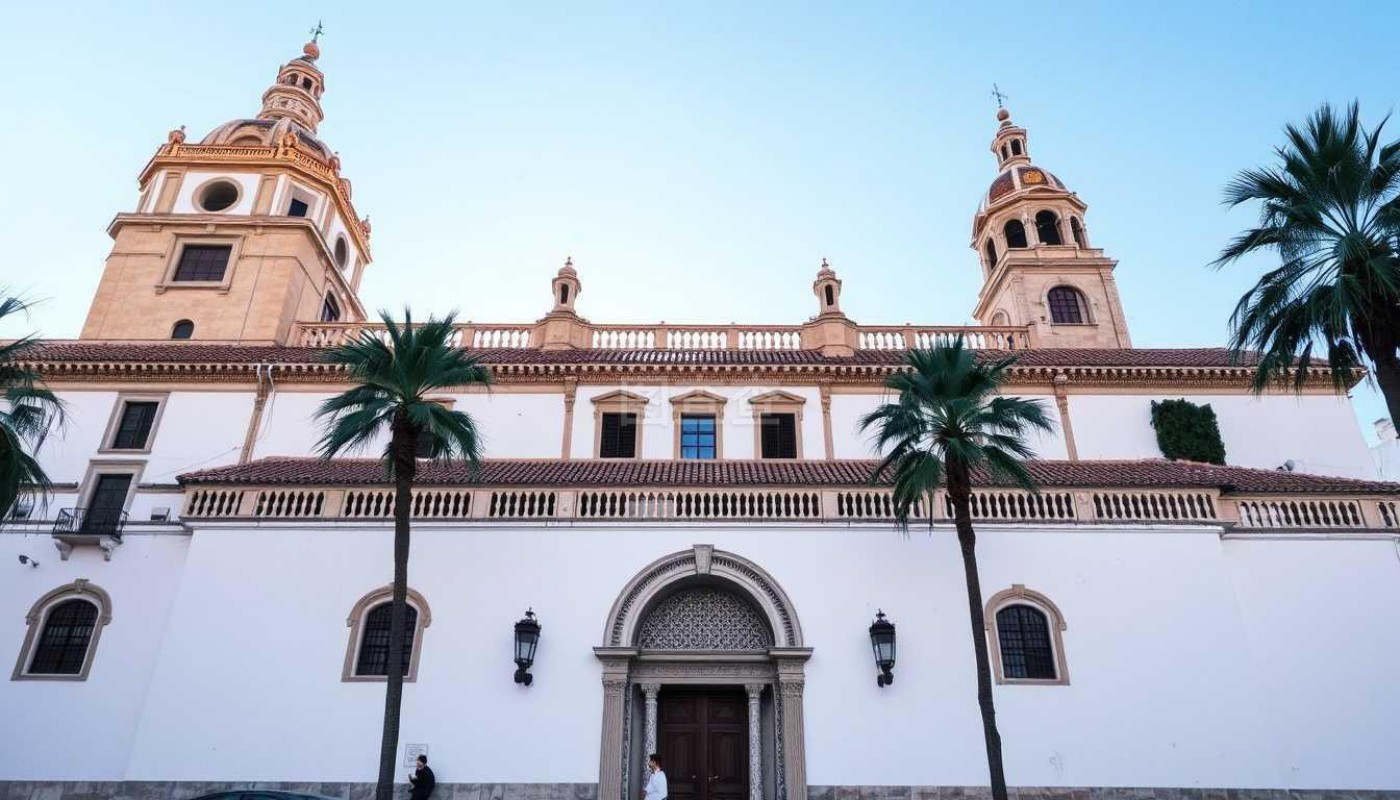
Structure and Choice of Materials
Traditional Spanish buildings in hot climates tend to use thick stone walls and white façades to keep interiors cool; Italian architecture shows a preference for marble and intricate carvings, especially in northern Italian cities. This variation in materials is not only an aesthetic consideration but also relates to climate and resource distribution.
Style Comparison Table
| Feature | Spanish Architecture | Italian Architecture |
|---|
| Main Influence | Moorish culture, Gothic | Ancient Rome, Renaissance |
| Common Materials | Stone, tiles | Marble, bricks |
| Typical Elements | Arches, colorful ceramics | Columns, frescoes |
Urban Examples
In Madrid and Barcelona, you can witness a coexistence of modernist and historical architecture, such as Gaudí’s works filled with curves and natural inspiration. In Rome or Florence, you encounter a completely different atmosphere — spaces full of sculptural quality and axial symmetry. This contrast allows travelers to experience distinct cultural atmospheres in different cities.
Continuity of Culture and Aesthetics
Spanish architecture places emphasis on color and regional elements, while Italian design seeks proportion, structure, and classical beauty. To this day, both countries retain their traditions in modern design: public buildings in Spain still incorporate Moorish decorative features, while Italian churches continue the age-old artistry of carvings and frescoes.
