Style and Origins of Spanish Modernist Architecture
Spanish Modernist architecture emerged mainly in the late 19th to early 20th centuries, reaching its peak especially in Barcelona, Catalonia. Greatly influenced by the Art Nouveau movement, this style emphasizes curves, natural elements, and handcrafted details. Many works are not just buildings, but rather pieces of art, brimming with creativity and emotion.
Historical Background and Social Context
At the time, Catalonia was experiencing economic prosperity and cultural revival. Industrial development provided the material foundation for architectural innovation, while the surge of national consciousness encouraged architects to incorporate local cultural symbols into their designs. Modernism here was not only an aesthetic choice but also a reflection of social ideals. It reflected the spirit of pursuing an independent identity.
Key Figures and Iconic Examples
When speaking of Spanish Modernism, Antoni Gaudí is an indispensable name. His masterpieces include the Sagrada Família, Casa Milà, and Casa Batlló. Besides Gaudí, Lluís Domènech and Josep Puig also made significant contributions. 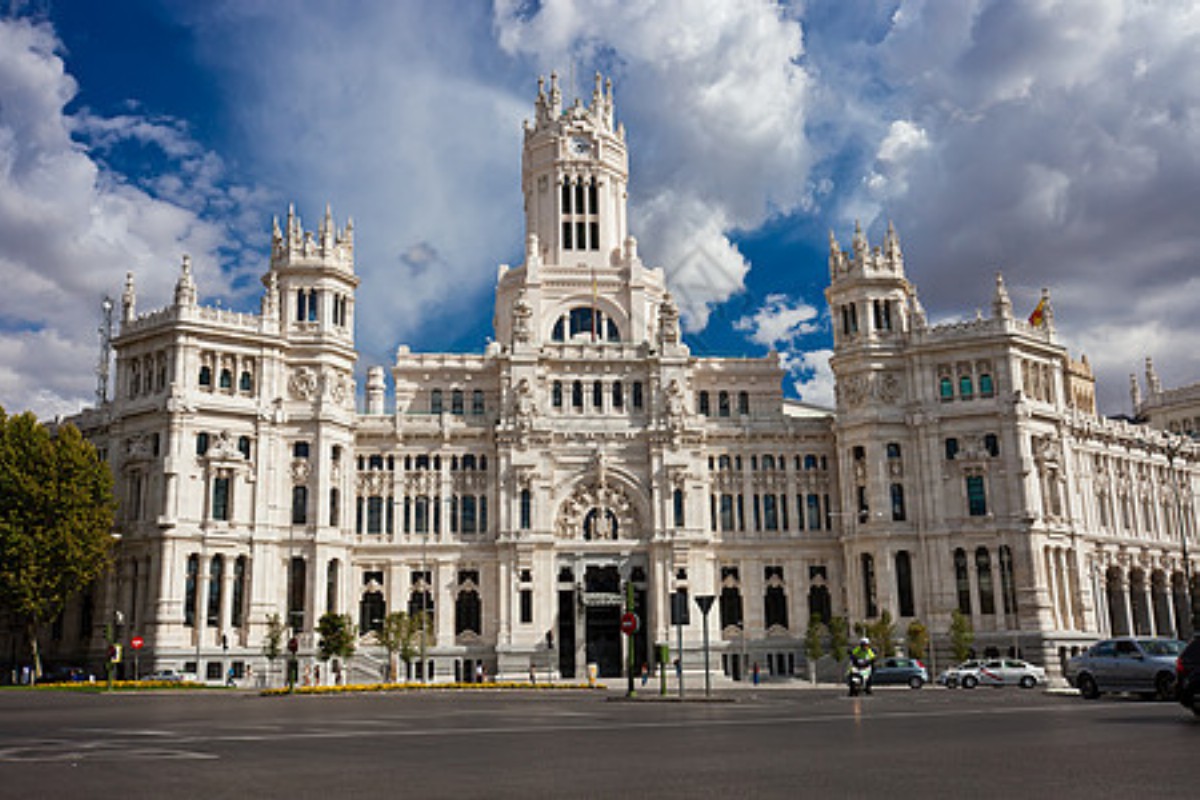
| Building Name | Architect |
|---|
| Sagrada Família | Antoni Gaudí |
| Casa Milà | Antoni Gaudí |
| Casa Batlló | Antoni Gaudí |
| Palau de la Música Catalana | Lluís Domènech |
Design Elements and Aesthetic Features
Common traits of Modernist architecture include organic curves, rich colors, and exquisite mosaics, as well as Spanish Modernist rural architecture using wrought iron and ceramic decorations. These elements together give each building a unique appearance and texture. Many facades are adorned with floral and animal motifs, while rooflines undulate like waves, evoking the Mediterranean tides.
Modern Significance and Tourism Value
Today, Spanish Modernist architecture is not only an important subject in architectural history studies but also a major tourist attraction. These buildings in Barcelona welcome millions of visitors every year, maintaining the city’s significant place on the global cultural map. However, excessive commercialization has also sparked some controversy, and how to balance preservation with utilization remains an open question.
If you have the chance to visit Barcelona, spend a full day exploring these Modernist landmarks, experiencing their play of light and shadow under the sun and the beauty of their details — you may gain a new perspective on the relationship between architecture and everyday life.
