Overview of Spanish Modernist Rural Architecture
In Spain’s architectural history, Modernism is not only present along the streets of major cities like Barcelona, but it also quietly blends into the rural landscapes. Many people think of Gaudi’s works when they hear Modernism, but in rural areas this style offers a rich and unique expression. Modernism as portrayed in rural settings is more intertwined with the natural environment and local materials, creating a modest yet highly distinctive aesthetic.
Materials and Craftsmanship
Compared with urban constructions, modernist buildings in the countryside often use local stone, clay bricks, and timber. These materials not only hold aesthetic value but also better adapt structurally to local climate conditions. For example, in small villages of Catalonia, you may notice traditional stone masonry paired with stained glass windows, a design that continues regional tradition while showcasing the artistic ambitions of Modernism.
Spatial Layout Features
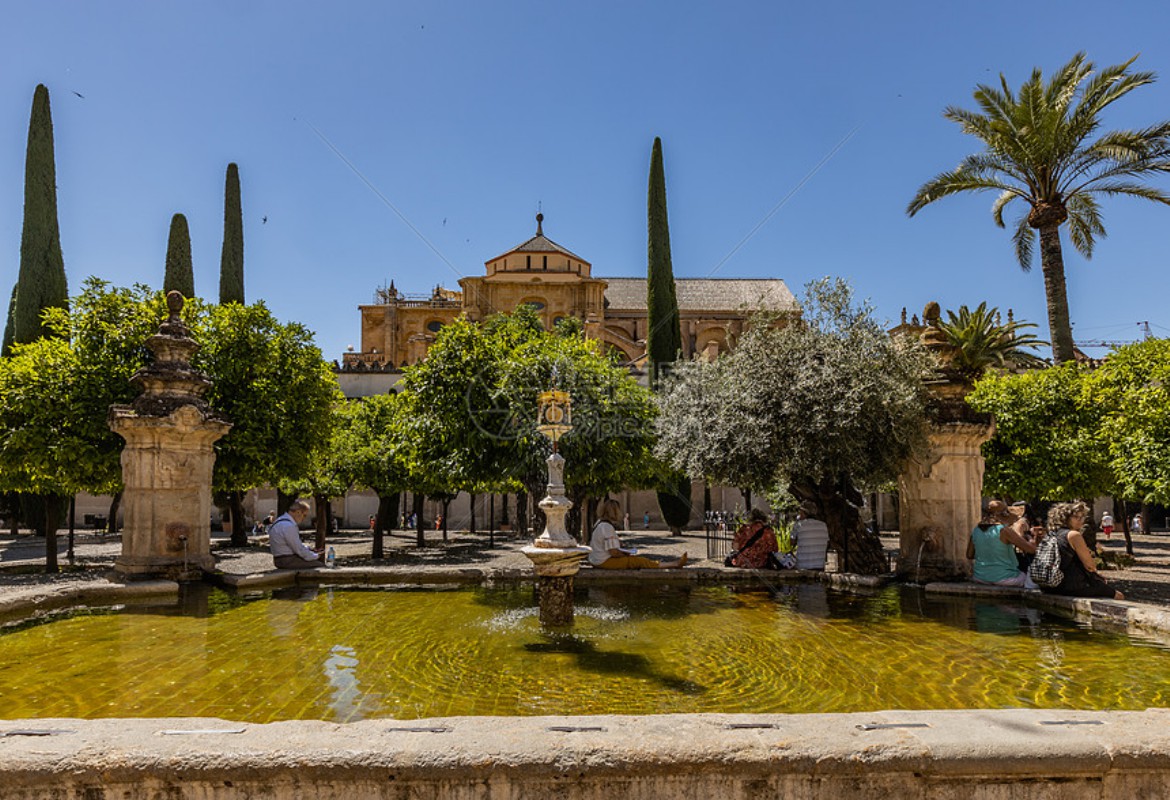
Rural modernist architecture emphasizes ventilation and natural light in its spatial arrangement, typically featuring spacious courtyards or open corridors that interact with the surrounding scenery. The table below lists several typical design elements and their functions:
| Design Element | Function |
|---|
| Large arched windows | Enhance lighting and views |
| Stained glass | Increase artistic appeal and privacy |
| Inner courtyard | Improve ventilation and social spaces |
Cultural Background and Artistic Influence
The spread of Modernism into rural Spain originated largely from early 20th-century urban artists who relocated to the countryside. Inspired by rural culture, they merged urban aesthetic ideals with practical rural needs. Especially in Catalonia and Valencia, you can find numerous wrought iron railings with plant motifs, reflecting the union of Naturalism and Modernism.
Travel Recommendations
If you have the chance to explore rural areas, experiencing these buildings in person is highly worthwhile. Suggested routes include the masia farmhouses on the outskirts of Barcelona, the old narrow streets in towns of Girona, and the rural churches around Valencia featured in Spanish Modernist Architecture. These places not only allow you to take artful photographs but also to enjoy a peaceful and comfortable pace of life.
Conclusion
Spanish modernist rural architecture is a form that fuses artistic aesthetics with regional characteristics, showcasing creativity and innovation while protecting tradition. Whether you are an architecture enthusiast or a traveler, these quiet villages offer unique beauty and inspiration.
