The History and Heritage of Spanish Porphyry Architecture
Porphyry is a type of natural stone commonly found in southern Spain and along the Mediterranean coast, extensively used in ancient architecture. Its high hardness and varied colors have made it a popular choice for paving town squares, church floors, and Porphyry municipal landscapes. As early as the Roman era, porphyry was favored for its durability and aesthetic appeal.
Material and Characteristics of Porphyry
The most notable feature of porphyry is its layered color tones, often in reddish-brown, purple-gray, and speckled patterns. This natural grain makes each slab resemble a piece of art. In Spanish architecture, porphyry captures classical charm while easily blending into modern designs, especially in the paving of public squares, where it presents an unmistakable texture.
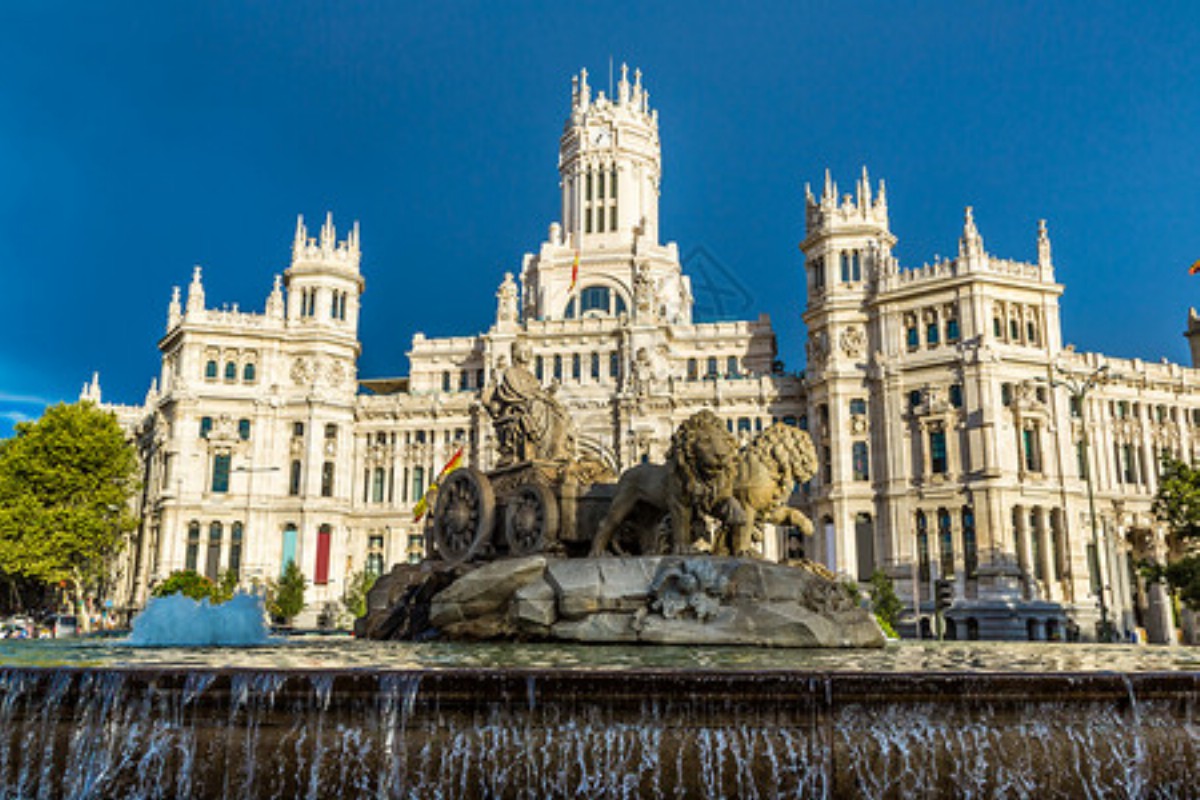
Applications of Porphyry
Those living in Spain may notice that many old town streets, pedestrian paths, and municipal plazas are paved with porphyry. Its natural anti-slip properties help ensure safer walks even on rainy days. Here are some common application scenarios:
| Scene Type | Features |
|---|
| City square | Wear-resistant, anti-slip, harmonious colors |
| Old town street | Classical elegance, easy maintenance |
| Landscape courtyard | Natural patterns complemented by greenery |
Maintenance and Care of Porphyry
Although porphyry is highly durable, maintaining its beauty requires proper care. It is recommended to clean periodically, remove stubborn stains, and apply sealant in high-traffic areas. This not only extends the stone’s lifespan but also preserves its vibrant colors.
Integration into Modern Design
Modern architects designing public spaces in Spain often combine materials such as glass and steel with porphyry. This blend of old and new not only enriches the spatial layers but also invites visitors to linger. Ignoring its value could mean missing the most storied details in the city.
If you pay attention to Porphyry architectural design while traveling or living in Spain, you will discover that these porphyry stones are not just ordinary building materials, but mediums that record time and connect cultures.
