Origins of Porphyry Architectural Design
The Porphyry architectural style holds a distinctive place in Spain’s architectural history. First emerging in the late 17th century, it blended the lifestyle needs shaped by the Mediterranean climate with popular Baroque and Gothic elements of the era. In coastal cities such as Barcelona and Valencia, Porphyry design often uses ingenious spatial layouts to address the dual challenges of hot summers and damp winters.
Porphyry design emphasizes spatial fluidity, with a natural connection between the interior and exterior. Courtyards, balconies, and arched corridors are common structures, and these elements not only provide visual appeal but also enhance living comfort.
Core Design Elements
The following table summarizes common elements of Porphyry architecture and their characteristics:
| Element | Feature |
|---|
| Courtyard | Provides natural light and ventilation |
| Arched structures | Add spatial layering |
| Mosaic tiles | Enrich visual expression |
| Carved wooden windows | Preserve traditional craftsmanship |
These elements are still preserved in modern renovations, though materials and craftsmanship often incorporate contemporary technologies, such as energy-efficient glass or new moisture-resistant wood.
Modern Examples of Porphyry Architecture
In Madrid’s emerging residential areas, developers combine Porphyry style with modern minimalist design to create living spaces that carry classical charm without losing practicality. Semi-enclosed balcony designs not only maintain traditional shading effects but also integrate modern leisure functions, allowing residents to enjoy the afternoon sun.
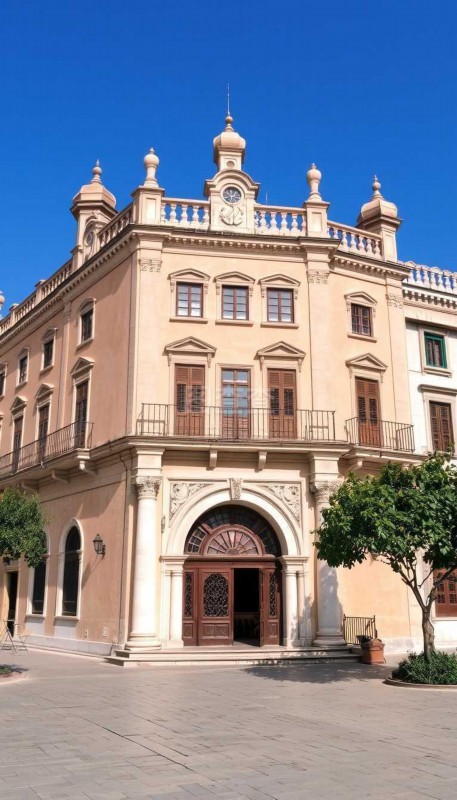
Extension of Porphyry Style into Interior Design
Porphyry is reflected not only in building exteriors but also in interior layouts. Open-plan dining and living areas, chandeliers that are ornate yet not overdone, and slightly weathered wooden floors all convey the warmth of this style. Through Spanish Porphyry Architecture and appropriate color schemes such as beige and deep brown, you can make your home feel both calm and inviting.
Renovation Tips
If Porphyry appeals to you aesthetically, start renovations from balconies, window decorations, and flooring materials. While retaining the traditional style, introduce modern energy efficiency and space optimization concepts to satisfy both aesthetic and functional needs.
Conclusion
Porphyry architectural design serves as a unique bridge between history and modernity. It allows residents to experience cultural depth while meeting practical demands of contemporary life. In Spain, understanding and applying Porphyry design principles is both a tribute to tradition and a pursuit of comfort and beauty.
