Detailed Step-by-Step Guide to Handmade Spanish Architecture
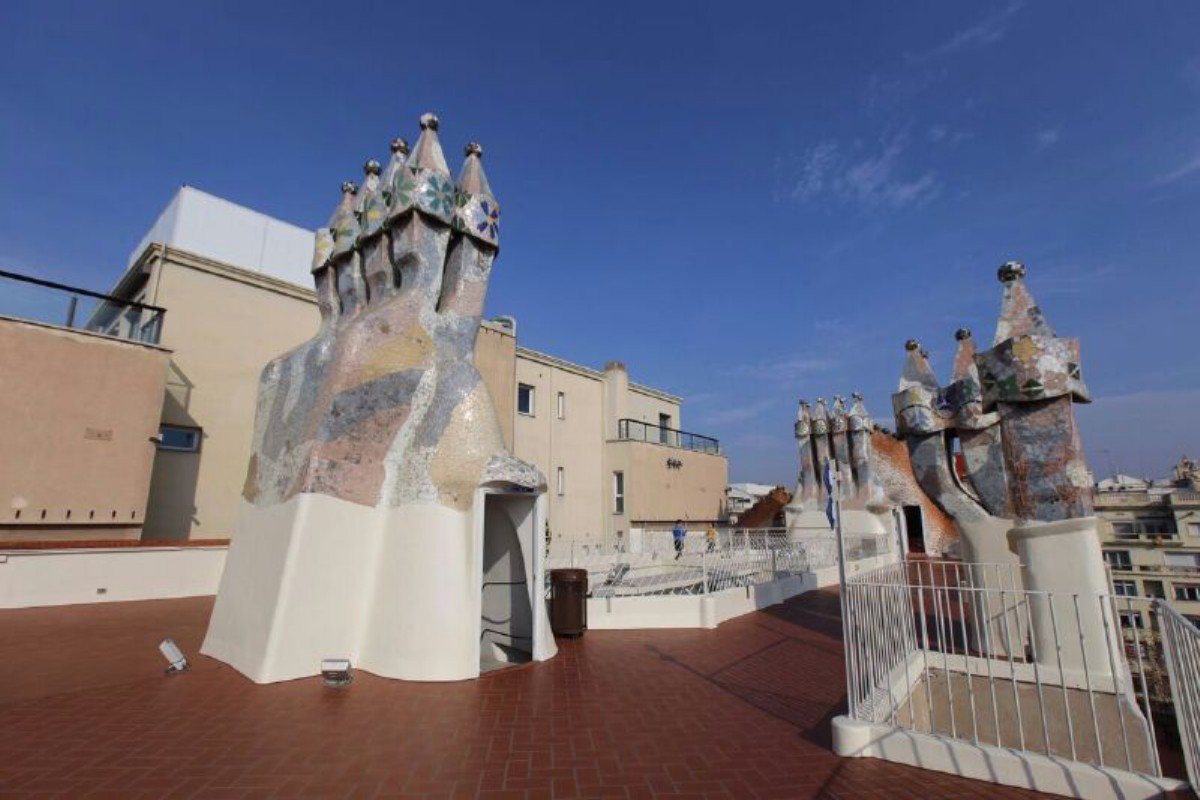
In Spain, there are many buildings full of historical charm, such as the white-walled towns of Andalusia and Gaudí’s masterpieces in Barcelona. Many enthusiasts enjoy creating miniature models by hand to capture the allure of these structures. Today, I’d like to share the process of making a small Spanish-style model at home, in the hope it provides inspiration for fellow hobbyists.
Preparing Tools and Materials
You will need to prepare basic tools and raw materials:
| Tools | Materials |
|---|
| Carving knife | Wooden board or lightweight foam board |
| Brush | Acrylic paint |
| Ruler | Glue |
| Sandpaper | Thin wooden sticks |
Remember to prioritize environmentally friendly and durable materials when shopping.
Drawing the Design
Before getting hands-on, I sketch the architectural proportions with a pencil on paper, making sure to reference real photographs or structural diagrams. For example, if creating the ancient gates of Toledo, mark the approximate position of each stone block.
The drawing phase is the foundation of the entire process, so never rush or skip it.
Cutting and Carving
Cutting the materials requires patience. Use the carving knife to cut the boards according to the dimensions in your design, then smooth the edges with sandpaper to create an even surface. When carving details, use thin wooden sticks to etch textures for window frames and door frames, preparing them for the painting stage.
Painting and Assembly
Painting can be done in two steps: applying a base color and adding detail. For the base, it’s best to start with a light tone such as off-white or pale yellow, which better recreates the warm color palette typical of Spanish architecture. Once the base coat is dry, use fine brushes to depict brick lines, window grids, wrought iron details, and other elements. Finally, glue all the components together to maintain overall stability.
Finishing and Display
Once the model is finished, place it on a shelf or in a display cabinet. For added storytelling appeal, pair it with figurines or plants to simulate the surrounding environment. Such a piece can both decorate your space and serve as a conversation starter during gatherings.
The above steps for Spanish architectural craft are for reference only; different architectural styles can vary in details and colors. You are welcome to share your creations on the forum so more Spanish architectural clay enthusiasts can appreciate the beauty and intricacy of Spanish architecture.
