History and Culture of Spanish Building Clay
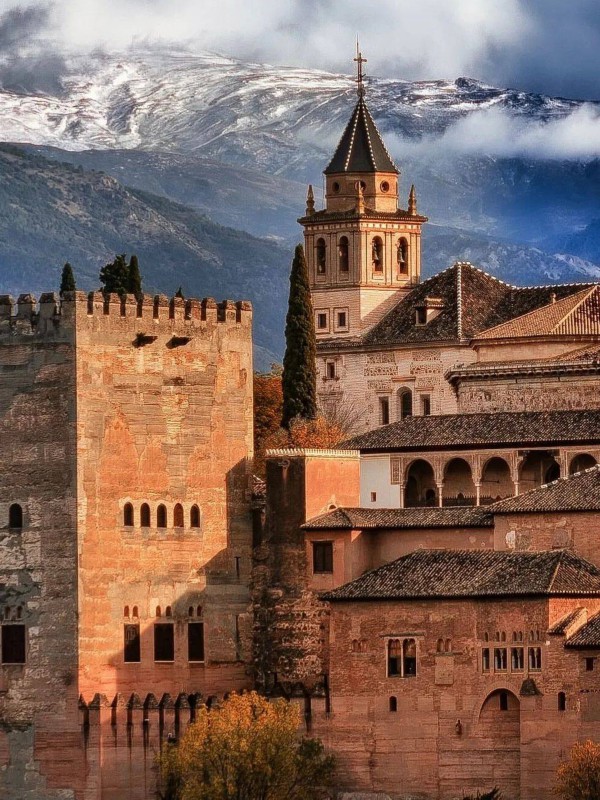
In Spain, the use of building clay dates back to the Roman era and the Mudéjar architectural style. Especially in Andalusia and Castile, traditional clay-making practices were not only used in house construction but also reflected the local characteristics and practical wisdom of everyday life.
Choosing Raw Materials
High-quality building clay is sourced from mineral-rich soil layers, typically from sediment near rivers. After cleaning, weeds and stones are removed to ensure even shaping. During production, adding some natural fibers can enhance structural strength.
Production Process
Below is the basic process of making traditional Spanish building clay:
| Step Spanish Building Handcraft | Description |
|---|
| Digging | Extract raw clay from the chosen soil layer |
| Purification | Remove impurities and stones |
| Mixing | Add water and straw or other fibers |
| Shaping | Form according to construction needs |
| Drying | Air dry naturally under the sun |
Tip: Avoid rain during the drying process to prevent cracks.
Regional Differences
In the more humid north, sand is mixed into the clay to improve drainage; in the dry south, more water is added to extend workability. This adaptation to local conditions reflects the Spanish people’s harmony with nature.
Modern Applications
Today, while modern building materials are widely used, many eco-construction projects still choose traditional methods, using building clay to create low-carbon, recyclable homes. Its ability to naturally regulate temperature and humidity is highly practical in Spain’s hot summers and damp winters.
Community Sharing and Discussion
If you have experience collecting or making building clay locally, you can share your methods and photos in the forum so more people can discover Spanish Building Handcraft Making, a material that carries cultural memory. Some techniques can only be truly mastered through hands-on practice.
