Historical Origins of Court Architecture
Spanish court architecture began to develop from the medieval Iberian kingdoms, blending Moorish art with European Gothic style. During the height of royal power, the monarchy undertook the construction of numerous palaces, serving not only as residences but also as symbols of politics and art. This cross-cultural fusion brought a Spanish court-style architecture with visual unique charm.
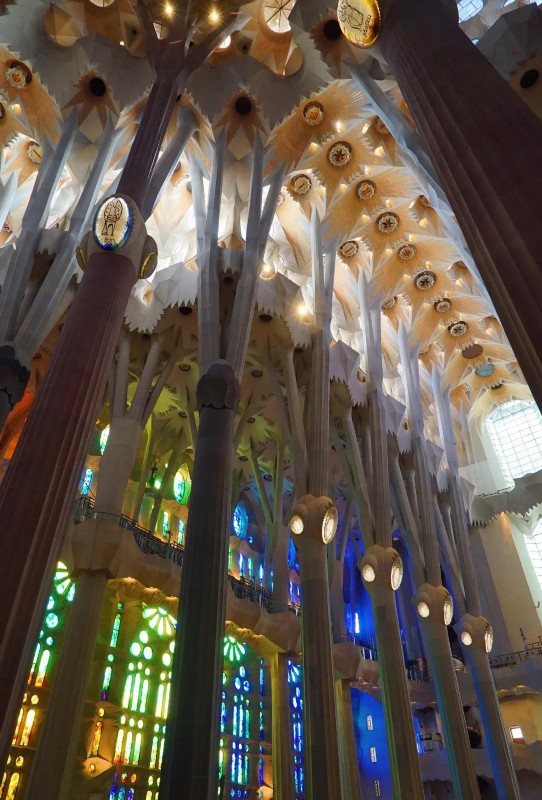
Architectural Materials and Structural Features
Court architecture generally employs stone and brick, which are durable and imposing. Some facades are covered with exquisite stone carvings or terracotta tiles, with colored ceramic pieces embedded in certain areas. Tall arches, spacious courtyards, and intricate carving details all reflect royal authority and artistic ambition.
| Architectural Element | Feature Description |
|---|
| Facade | Stone carvings, ceramic tile decoration |
| Interior Space | Vaulted ceilings, murals, multi-level structure |
| Courtyard | Symmetrical layout, fountain landscape |
Decorative Styles and Artistic Elements
Common decorative styles include Renaissance, Baroque, and Neoclassical. For example, the Royal Palace of Madrid features murals with rich colors, gold and silver craftsmanship alongside wooden carved screens. Furniture is mostly handcrafted, inlaid with gemstones or gilded, showcasing the opulent style of the royal family.
Representative Court Examples
The most famous examples include the Royal Palace of Madrid, the Alcázar of Seville, and in Spanish court architecture the Catalonia Palace in Barcelona. These buildings are not only historical monuments but also important windows for tourists to experience Spanish culture.
Present-Day Value of Court Architecture
Today, Spanish court architecture is open as tourist attractions and also used for national ceremonies and art exhibitions. They serve as an important carrier for understanding Spanish history and culture, worthy of close appreciation and study.
