The Historical Imprint of Spanish Court Architecture
Spanish court architecture blends the essence of multiple eras and cultures, giving each court a unique story. From the Muslim rule on the Iberian Peninsula to the Habsburg dynasty, architectural styles have undergone numerous transformations. Courts are not only symbols of power but also concentrated showcases of art and craftsmanship.
The Art of Vaults and Arches
Vaulted ceilings and rounded arches are hallmarks of Spanish court architecture. Early influences from Roman and Arab architecture shaped the distinctive Mudejar-style rounded arch structures. These vaulted ceilings are not only sturdy but visually stunning, often used to support large halls or corridors. The shapes and carvings of the arches often feature intricate geometric patterns, reflecting the superb craftsmanship of the Moors.
Stained Glass and Rose Windows
Rose windows with stained glass, common in court architecture, are not only decorative but also create captivating light effects. When sunlight passes through the colorful glass, the interior becomes awash in a kaleidoscope of light, as if stepping into another world. The combination of blue and red was especially common in the Gothic period, creating a sense of solemnity and romance. 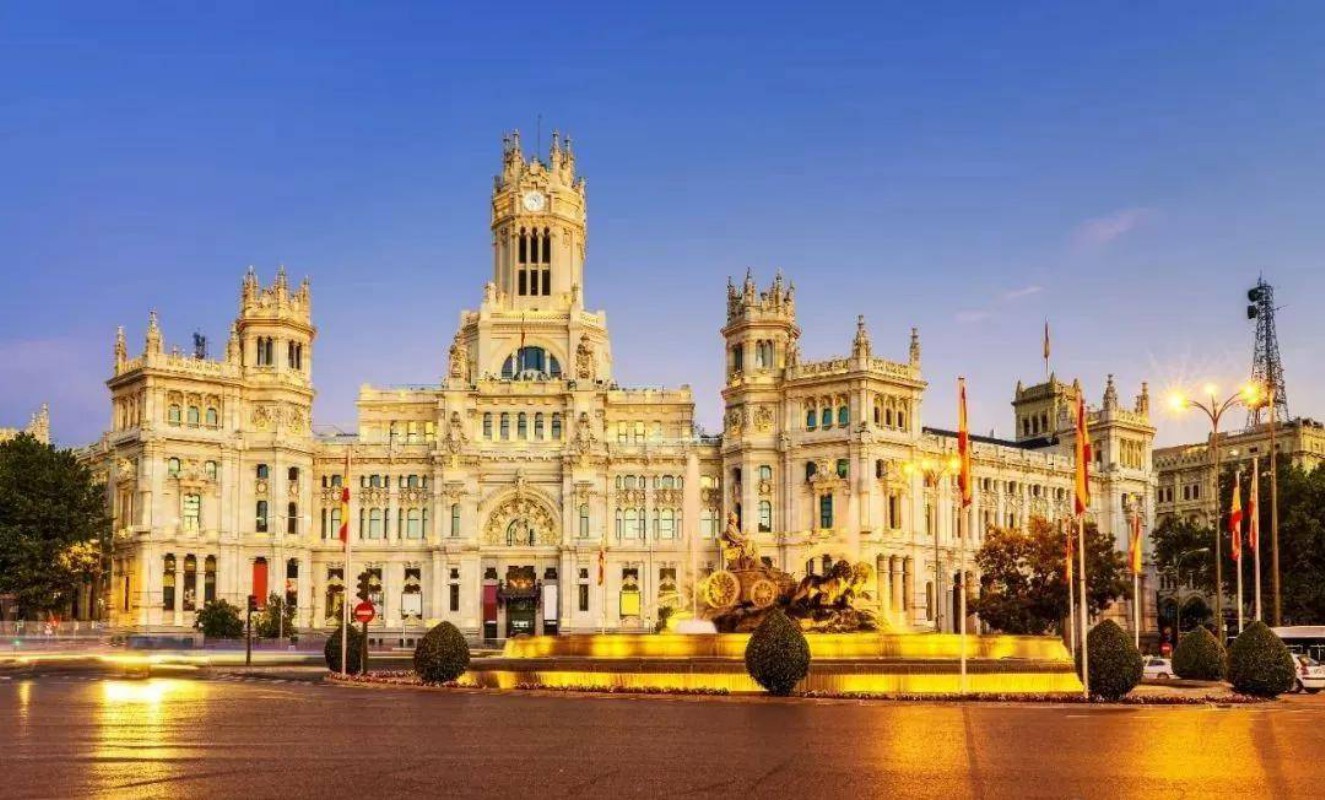
Wood Carving and Ceiling Decoration
In many reception halls and royal chambers, the wooden ceiling carvings are breathtaking. Using materials such as cedar and oak, craftsmen created complex floral patterns enhanced with gold leaf and color, lending the space an air of prestige. These details fully showcase the patience and skill of the artisans.
Material and Style Comparison
Let’s take a quick look at the differences in materials and styles among various court elements:
| Element | Material |
|---|
| Vaulted ceiling | Stone |
| Stained glass window | Colored glass |
| Wooden ceiling carvings | Wood |
Modern Preservation and Heritage
Today’s Spain has made significant efforts in preserving court architecture. Through Spanish Court Architecture restoration projects, these historical elements have been brought back to life, allowing more people to witness their beauty. Likewise, Spanish Court Style Architecture offers opportunities for visitors to experience this grandeur firsthand. Unfortunately, not all court buildings have survived to this day. It is hoped that more resources will be invested in cultural heritage preservation in the future, not just for tourism, but to continue Spain’s architectural and historical legacy.
