The Culture and Heritage of Spanish Architects
When mentioning Spain, many people immediately think of the Sagrada Família designed by Gaudí. This is just the tip of the iceberg. In fact, from the last century to modern times, this country has continuously produced numerous creative architects who have shaped urban landscapes worldwide. From classical to contemporary, the works of Spanish architects seamlessly blend historical culture with innovative ideas.
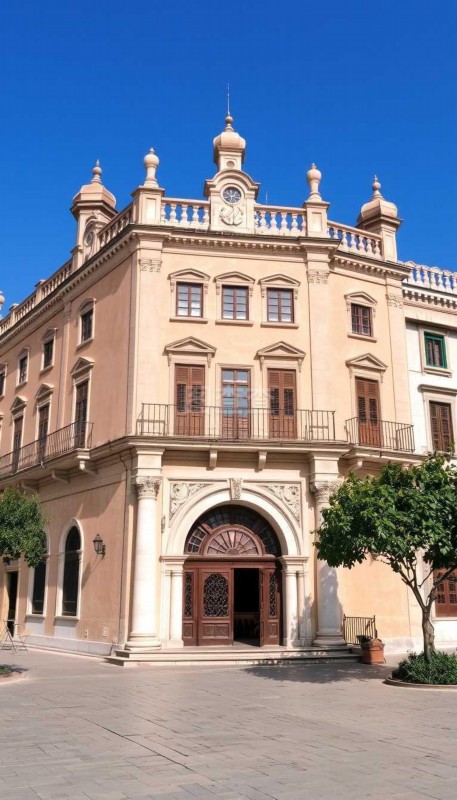
The Driving Role of the Education System
Spain’s architectural education is distinctive. Most architects receive systematic training in their own country, learning not only about structure and aesthetics but also emphasizing integration with urban planning and social history. For example, the Madrid Higher Technical School of Architecture and the Barcelona School of Architecture are cradles for internationally renowned architects. This comprehensive training approach gives them a stronger competitive edge in the global market.
| City | Prestigious Institutions |
|---|
| Madrid | Madrid School of Architecture |
| Barcelona | Barcelona Higher Technical School of Architecture |
| Seville | University of Seville, Department of Architecture |
Nourishment from History and Environment
Spain’s geographic location and multicultural background have accelerated the fusion of architectural styles. Moorish arches, Gothic towers, and the Spanish architects modernist curves coexist within the same country. This environment allows architects to naturally cross stylistic boundaries in their creations, avoiding adherence to a single model. Diversity has become a natural advantage for Spanish architects.
Representatives and Their Works
Apart from Spanish modern architects such as the famous Antoni Gaudí, Spain also boasts Santiago Calatrava, Rafael Moneo, and other outstanding architects with world-class works in bridges, museums, and public buildings. For instance, Calatrava’s design for the City of Arts and Sciences has become a landmark attraction in Valencia.
Contemporary and Future Outlook
Today, Spanish architects are active not only domestically but also in undertaking large-scale projects in Latin America, Asia, and the Middle East. They skillfully combine traditional elements with sustainable design concepts, maintaining creativity when facing the challenges of climate change and urbanization. In the future, the application of digital design and renewable materials may give the works of Spanish architects an even stronger sense of the times.
Do you think living in Spain makes it easier to become an architect? Feel free to share your observations and experiences about the Spanish architectural environment.
