Career Path of Spanish-Speaking Architects
In Spain, working in the field of architecture requires not only solid professional skills but also an understanding of local culture and laws. Many people think an architect’s job is simply to design houses, but in reality, they must also stay in close communication with engineers, urban planners, and government departments such as the Spanish Architects. The term Spanish-speaking architect refers to professionals who not only master architecture theory but can also communicate professionally in Spanish, an advantage in international projects.
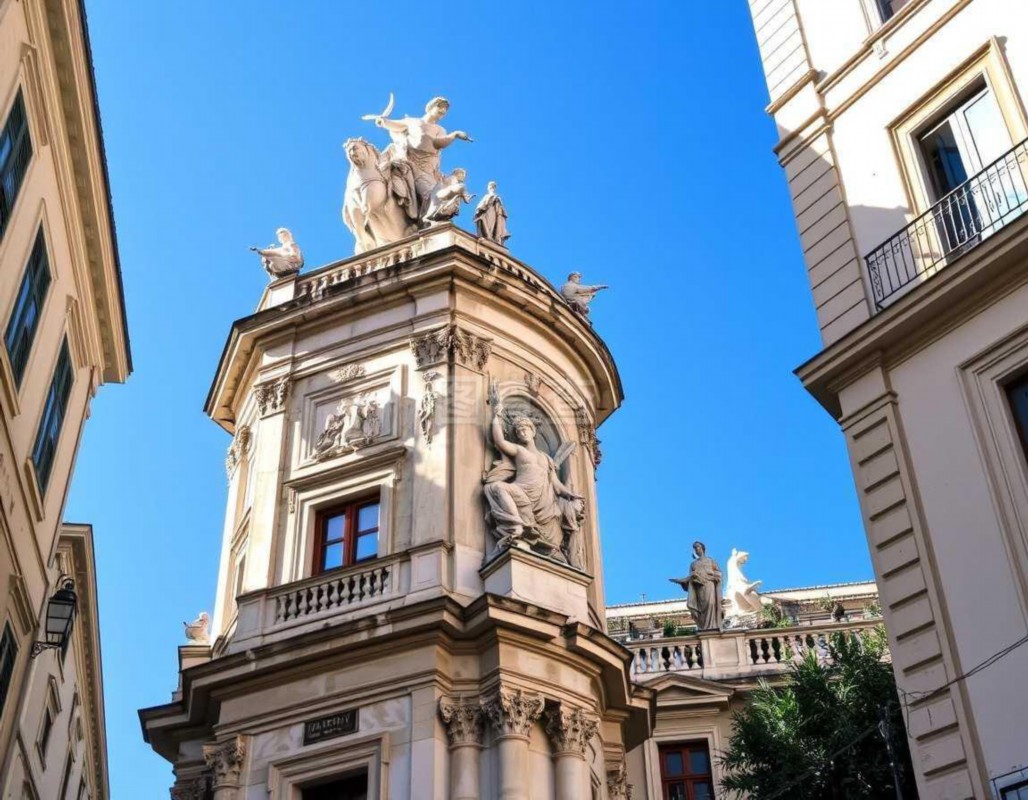
Education and Professional Certification
Most architects in Spain graduate from university schools of architecture, such as the Technical University of Madrid or the Barcelona School of Architecture. After completing their studies, they need to obtain professional architect certification to legally sign design blueprints. Below is a comparison of common study paths:
| Path | Features |
|---|
| Local university | Gain in-depth knowledge of Spanish building regulations and culture with the help of Spanish Modern Architects |
| International exchange student | Improve cross-language and multicultural design skills |
Practical experience during the study phase is very important, and many students participate in small-scale community renovation projects to build up their design and communication skills.
Work Fields and Project Types
The scope of work for Spanish-speaking architects is quite broad, from residential design and commercial space planning to heritage restoration or urban landscape transformation. In tourist cities such as Granada or Seville, heritage conservation projects often require architects to have both artistic aesthetics and historical research abilities. Collaborating with local craftsmen not only improves construction quality but also helps integrate into the community.
Industry Status and Trends
In recent years, Spain’s real estate market has shown signs of recovery, and the demand for architects has increased. Sustainable architecture and smart home design have become hot trends. Many architects now integrate energy-saving materials and green energy systems into their designs, which is not just about environmental protection but also an exploration of future living styles.
Of course, there is also competitive pressure within the industry, especially in big cities where project bids must balance price and creative design. Combining traditional hand-drawn plans with digital modeling has become the mainstream work mode.
Life and Cultural Experience
Working as an architect in Spain means that your lifestyle and social interactions will be influenced by local culture. Longer lunch breaks give architects more opportunities for face-to-face meetings with clients and participation in public town events. Whether it is a modern villa by the sea or a historic district inland, architects serve as a bridge connecting the past and the future.
