Overview of Ancient Spanish Court Architecture
Ancient Spanish court architecture not only symbolized royal authority but also blended various artistic styles. From Islamic architecture introduced by the Moors to the Gothic and Renaissance styles following the Christian reconquest, these court structures bear witness to the nation’s evolving history. They were not only the political heart of the realm but also the pinnacle of art and craftsmanship. Stepping inside, one can almost hear history whispering.
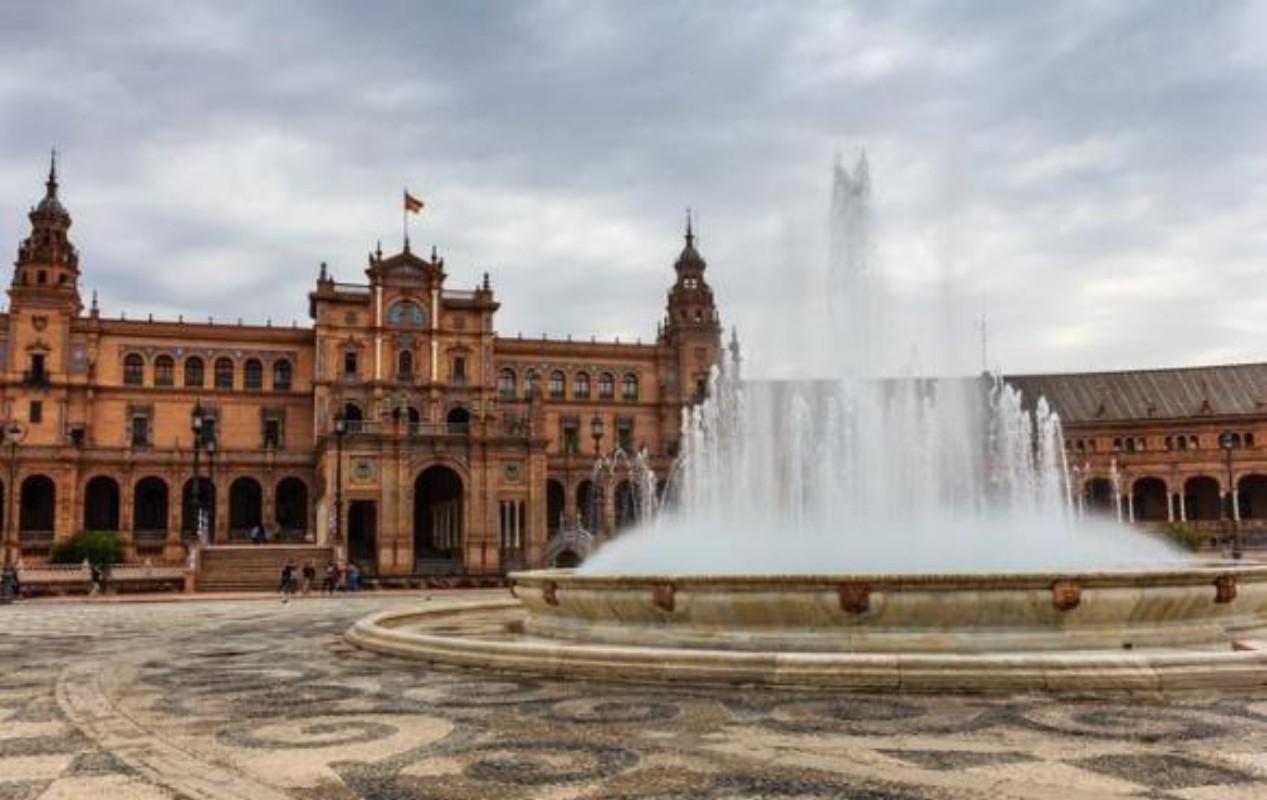
The Alhambra — The Peak of Islamic Art
Located in Granada, the Alhambra is a masterpiece from the Nasrid dynasty of the 13th to 14th centuries. The building is renowned for its exquisite [ color=red ]Arabic patterns, flowing water channels, and symmetrical courtyards. Delicate stucco carvings and intricate geometric designs leave visitors in awe. Even centuries later, the Alhambra remains one of Spain’s most beloved cultural heritage sites.
The Continuation of the Mudejar Style
Mudejar architecture, blending Islamic and Christian elements, is unique to medieval Spain. In some royal palaces, you can see interior designs combining brick archways with wooden ceilings. This style continued to influence court architecture well into the 15th century, such as in the Alcázar of Toledo, which features prominent Mudejar decorations.
Gothic and Renaissance in Court Architecture
With the rise of Christian kingdoms, Gothic and Renaissance styles gradually claimed their place in court architecture. Spires, flying buttresses, and ornate window tracery intertwined with earlier Islamic influences to create a distinctive visual effect. The Alcázar of Seville, for example, showcases a layered fusion of styles, making it a model of architectural artistry.
| Period | Architectural Style |
|---|
| 8th–15th centuries | Islamic/Mudejar |
| 15th–17th centuries | Gothic/Renaissance |
Cultural Significance and Tourism Value
These ancient court buildings are treasures of architectural history and key to understanding Spain’s multicultural crossroads. For Spanish court architecture travelers, whether capturing the details of the structures or enjoying the serene atmosphere within the courtyards, the experience is unforgettable. When traveling in Spain, Spanish court-style architecture invites you to step into these palaces and feel the dialogue between stone walls and sunlight.
Conclusion
Ancient Spanish court architecture is a synthesis of history, culture, and art. From the Alhambra to the Royal Palace of Seville, each brick and stone records the tales of its era. They deserve preservation and the attention of anyone who loves history and architecture.
