Main Architectural Styles in Spain
When living or traveling in Spain, you are often captivated by the architectural styles of different cities. From the sunny coastline to the northern mountains, variations in architectural forms not only reflect regional culture but also embody a fusion of history and art. Below are several common architectural styles in Spain to spark discussion in forums.
Andalusian Moorish Style
This style originates from the Muslim period, with the most iconic example being the Alhambra Palace in Granada. Its features include intricate geometric patterns, horseshoe arches, and rich tile mosaics. In some old towns, you can still find well-preserved Moorish courtyards, transporting you back to the Middle Ages.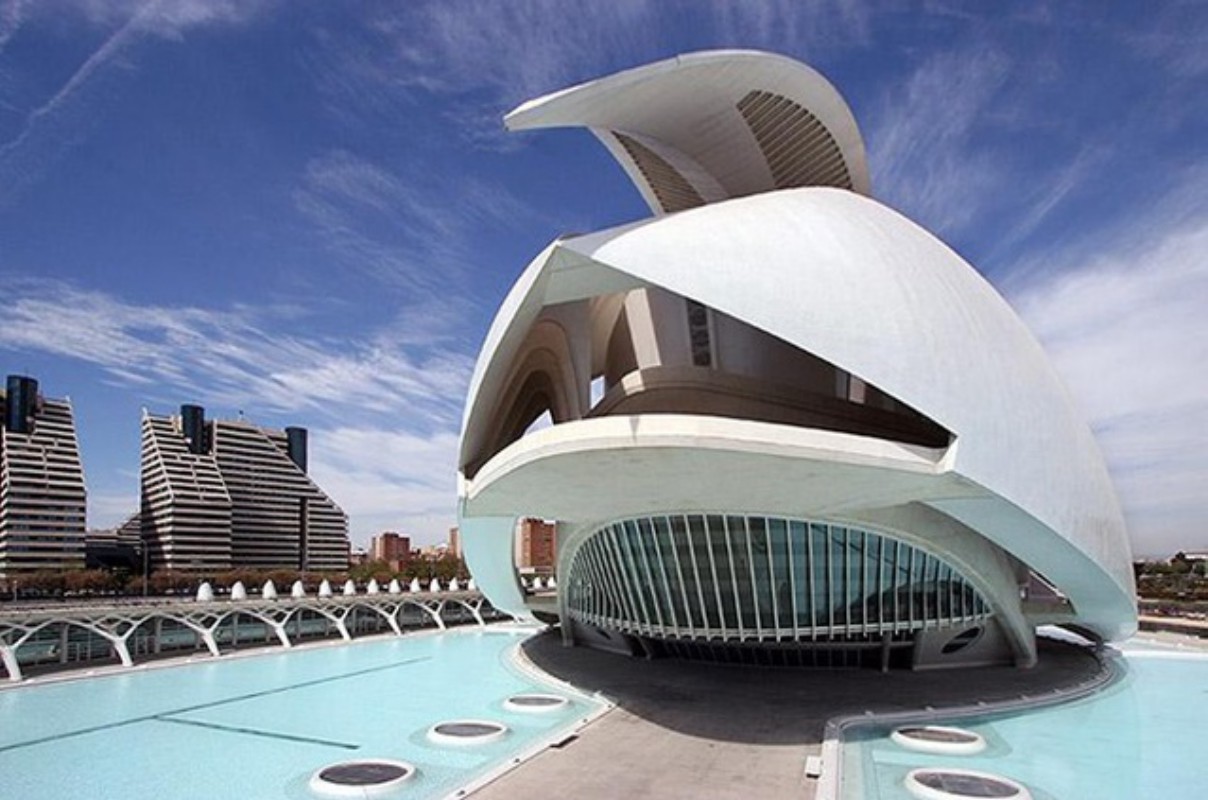
Gothic and Renaissance
Spanish Gothic architecture is famous for pointed arches, flying buttresses, and soaring towers, such as the Basilica of Santa Maria del Mar in Barcelona. Renaissance style, on the other hand, is more solemn and symmetrical, focusing on proportions and carved façade details with a strong humanistic atmosphere. In cities like Toledo and Salamanca, both styles often appear intertwined.
Baroque and Modernism
Baroque architecture’s curves and lavish decorations are found everywhere in Madrid and Seville, emphasizing drama and spatial depth. Modernism, represented by Gaudí, features works like the Sagrada Família and Casa Milà that integrate natural forms into their structures. This spirit of innovation has become an important hallmark of Spanish architecture.
Contemporary Minimalism and Sustainable Architecture
In recent years, new projects in Spain have highlighted environmental consideration and functionality, with clean geometric lines, open layouts, and the use of renewable materials as seen in Spanish architectural forms, making buildings more in tune with everyday life. This style is particularly evident in newly built neighborhoods, educational facilities, and cultural centers.
| Architectural Style | Features |
|---|
| Moorish | Geometric tiles, horseshoe arches |
| Gothic | Pointed arches, tall towers, flying buttresses |
| Renaissance | Symmetrical proportions, carved decorations |
| Baroque | Curves, ornate details |
| Modernism | Natural forms, innovative structures |
| Contemporary Minimalism | Eco-friendly, open spaces |
Conclusion and Discussion
The diversity of Spanish architecture ensures each city offers a unique visual experience. Whether you are an architecture professional or simply someone enjoying local life or travel, it is worth exploring and discovering more about Spanish architectural forms. Sharing interesting architectural stories in forums might inspire others to discover the beauty around them.
