The Diverse Styles of Spanish Architecture
Spanish architecture is remarkably rich, ranging from ancient Roman ruins to modern avant-garde designs. The buildings on this land are not only an expression of art but also an extension of local lifestyles. Many newcomers to Spain are struck by how distinctly different the façades of buildings appear in various neighborhoods—this diversity in cultural background grants cities a unique charm.
The Legacy of Roman and Gothic
In certain old-town areas, you can still find preserved Roman walls and amphitheater ruins. Moving into the Middle Ages, Gothic cathedrals became spiritual centers of cities, with pointed vaults and stained glass creating a mystical atmosphere. Walking through Toledo or Burgos gives you a sense of awe that transcends time and space. These buildings are not only religious symbols but also the heart of the community.
Andalusian Islamic Influence
The Andalusian region in southern Spain is home to pronounced Mudéjar and Moorish architectural features, such as the Alhambra in Granada and the Spanish Architectural Styles Great Mosque of Córdoba. Geometric patterned tiles, arched colonnades, and tranquil courtyards make it easy to immerse yourself in centuries of history. This style blends Mediterranean sunlight with exquisite Arabian detail.
The Wave of Modernism
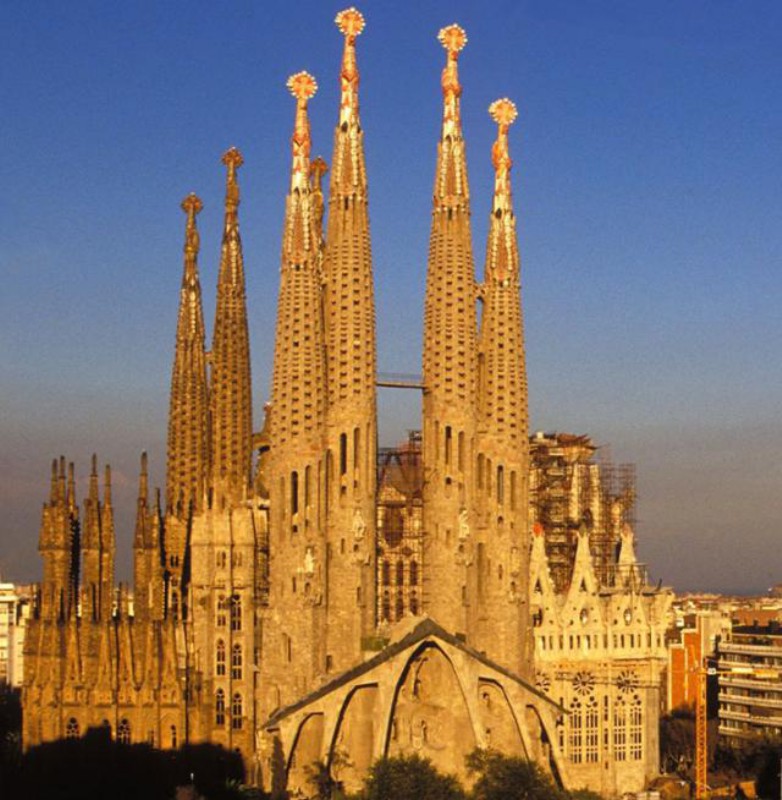
By the late 19th and early 20th century, Catalonia—especially Barcelona—embraced a modernist movement. Gaudí’s work is perhaps the most famous, with landmarks like the Sagrada Família and Casa Milà boldly incorporating curves and natural elements into architectural design. These designs were once criticized as overly bizarre but have now become global icons.
Countryside and White Villages
Beyond the Spanish Architectural Styles big cities, Spain’s rural architecture holds its own unique appeal. Particularly in the south, you’ll encounter sprawling whitewashed towns where narrow streets invite leisurely walks, and houses are built to withstand the intense summer heat. Roofs often feature red tiles, and thick walls provide insulation.
| Type of Architecture | Distribution Area |
|---|
| Roman ruins | Tarragona, Mérida |
| Gothic cathedrals | Toledo, Burgos |
| Moorish palaces | Granada, Córdoba |
| Modernist buildings | Barcelona |
| White villages | Various Andalusian locales |
This diversity of architectural forms not only makes Spain’s landscapes captivating but also allows residents to experience cultural intersections in daily life. Whether you stay briefly or settle long-term, you can discover your own story within these buildings.
