Spain’s Architectural Classification Standards
Living in Spain for a long time, walking down the streets you will notice the diversity and uniqueness of architectural forms—from medieval castles to modern glass curtain walls, every corner offers a visual feast of different styles. To better understand these differences, we can refer to some common classification standards.
Classification by Historical Period
Based on the historical era when the buildings appeared, they can be divided into Romanesque, Gothic, Renaissance, Baroque, Neoclassical, and Modernism. For example, Gothic churches in Catalonia often have towering spires and large stained glass windows.
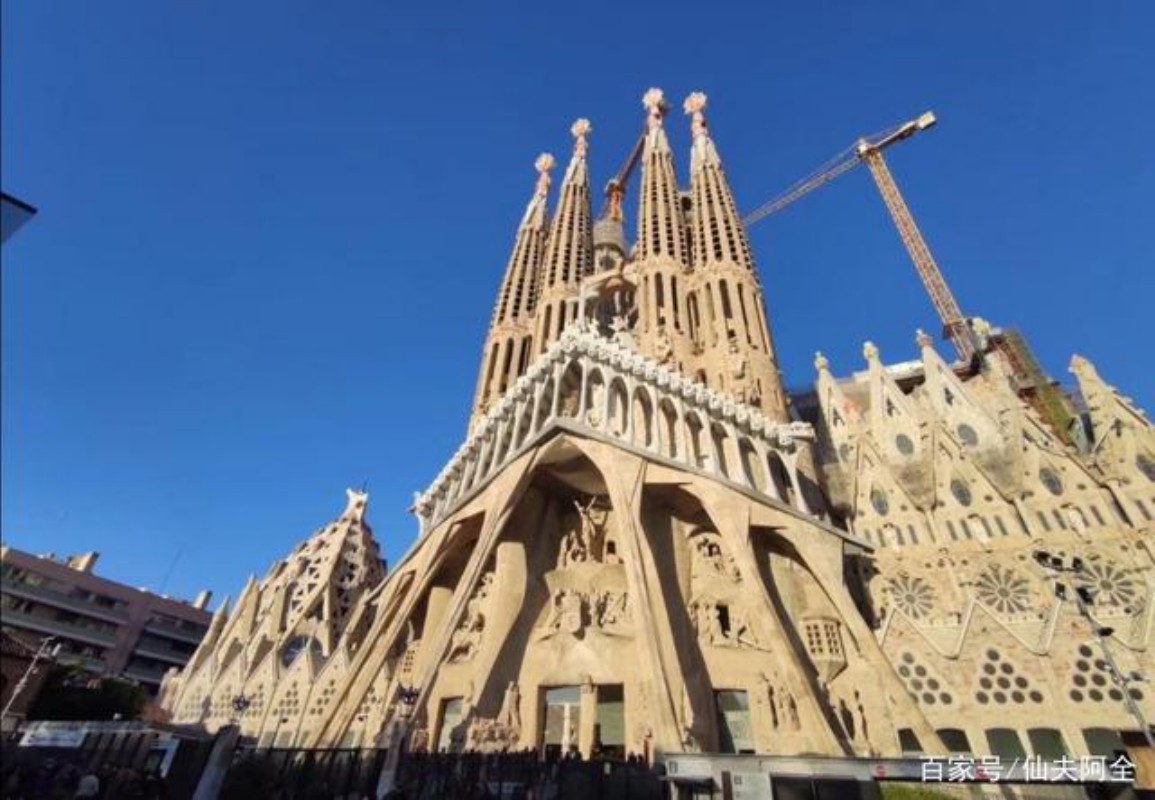
Classification by Function
From the perspective of use, buildings can be divided into religious architecture, residential, public buildings, and industrial architecture. Religious architecture mainly includes churches and monasteries; residential ranges from city apartments to rural villas; public buildings represent town halls, museums, etc.; industrial architecture mostly consists of factories and storage facilities.
| Function Category | Example |
|---|
| Religious Architecture | Seville Cathedral |
| Residential | Madrid apartment block |
| Public Buildings | Barcelona City Hall |
| Industrial Buildings | Valencia port warehouse |
Classification by Materials and Structure
Different regions of Spain use materials according to local conditions. For example, Andalusia often uses white lime walls and terracotta roofs; Catalonia prefers red bricks and wrought iron decorations. Structurally, buildings can be classified into load-bearing wall structures, reinforced concrete frame structures, and wooden structures.
Classification by Regional Characteristics
Regional culture has a profound impact on architecture. For example, traditional houses in the Basque Country have wooden beams and pitched roofs, adapted to its rainy climate; buildings along the Mediterranean coast feature open balconies and transparent spatial designs to cope with hot summers.
Trend of Style Integration
In recent years, Spanish architecture has shown a clear trend of style integration, combining traditional elements with modern materials. Such designs not only preserve historical flavor but also meet both functional and aesthetic needs, offering limitless possibilities for the future urban landscape.
For those who have relocated to Spain or who want to gain deeper insight into local culture, exploring the city through Spanish architectural forms and adopting these Spanish architectural forms classification standards can not only enhance understanding of local life, but also allow you to purposefully explore the stories behind every street during your leisure time.
