Stories of Spain’s National Treasure Architects
In the urban scenery of Spain, certain buildings make passersby pause and gaze—not only for their distinctive shapes, but also because the architects behind them are considered national pride. When speaking of Spanish architects, Antoni Gaudí is almost impossible to ignore. With his imagination and meticulous attention to detail, he reshaped Barcelona’s skyline.
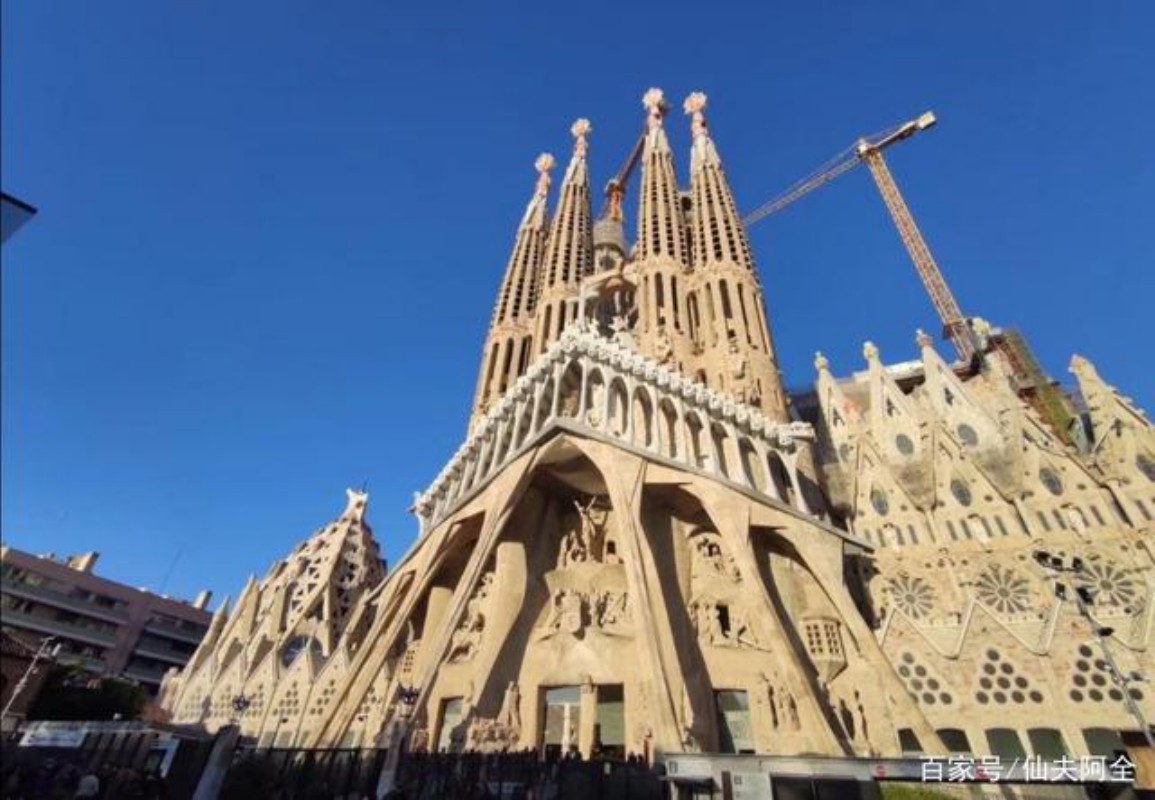
Gaudí and His City
Among Gaudí’s creations, the Sagrada Família stands as his magnum opus, still unfinished after more than a century. Beyond the Sagrada Família, his Casa Milà and Casa Batlló are symbols of Catalan Modernism. He skillfully applied curves and natural forms, breaking away from the straight-line aesthetics of traditional architecture. He once said: “Straight lines belong to humans, curves belong to God.”
Other National Treasure Architects
Although Gaudí is the most renowned, Spain’s architectural register also includes figures like Lluís Domènech and Santiago Calatrava. In different eras, they created landmark works with distinct styles—such as Domènech’s Palau de la Música Catalana, and the Spanish national treasure architecture of Calatrava’s City of Arts and Sciences in Valencia, blending futurism with functionality.
| Architect | Representative Works |
|---|
| Antoni Gaudí | Sagrada Família, Casa Milà |
| Lluís Domènech | Palau de la Música Catalana |
| Santiago Calatrava | City of Arts and Sciences |
Architecture and Urban Life
Spanish architecture is not only art, but also the backdrop and stage of everyday life. In Barcelona, many of Gaudí’s works are woven tightly into community life; tourists wander through them while locals continue to work, live, or celebrate festivities in these spaces. These buildings breathe alongside the citizens’ daily routines, becoming an inseparable part of urban culture.
Discussion and Heritage
Over time, preserving and restoring these buildings has become an essential mission. Unlike new constructions, restoration challenges craftsmanship while honoring the original creator’s vision. Each restoration is thus a dialogue with history. If anyone on the forum has experience with conservation projects, feel free to share your insights—this might help more people understand, through examples like the Spanish national treasure non-compliant architecture, the precious significance of these national treasures.
Conclusion
The works of Spain’s national treasure architects are witnesses to history and sources of inspiration for the future. Whether you are an architecture enthusiast or an ordinary traveler, strolling among these masterpieces will allow you to feel the warmth and strength passed down from their era.
