Spanish Restaurant Decoration Styles and Practical Tips in the United States
Opening a Spanish restaurant in the United States requires attention not only to the quality of the dishes but also to the decoration, which plays a crucial role in shaping the guests’ first impressions. Spanish style in architecture and interior design carries a rich cultural essence; when adapted to local geography and consumer habits in the U.S., it can create a uniquely inviting dining atmosphere.
Classic Spanish Elements
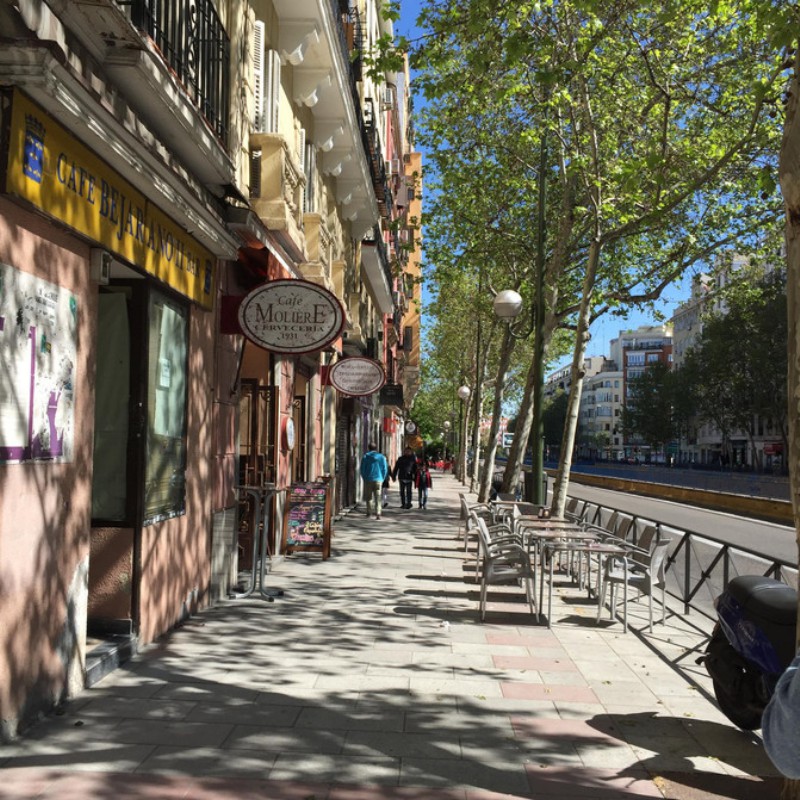
Common decorative elements in Spanish restaurants include ceramic mosaics, exposed brick walls, arched doors and windows, and Restaurant Price Comparison warm lighting. These elements blend well into various regional architectures in the United States. Warm tones are particularly suited to creating a cozy dining environment, making guests feel visually welcomed.
Space Layout and Functionality
In terms of layout, open kitchens and bar designs are increasingly popular. This not only enhances interactivity but also shapes the restaurant’s personality. The table below lists some common decoration areas and their functions:
| Decoration Area | Function Description |
|---|
| Bar Area | Space for showcasing drinks and interaction |
| Dining Area | Provides Spanish Restaurant Entry into the U.S. comfortable seating and lighting |
| Kitchen | Efficient cooking and food serving |
Material Selection and Maintenance
In the U.S. market, wooden furniture and wrought iron decorations are relatively easy to source and maintain. Ceramic tiles are a classic choice for Spanish style, but in colder northern regions, it’s important to consider slip resistance and thermal comfort. Using durable materials not only saves long-term maintenance costs but also maintains a cohesive and attractive style.
Color Coordination
When it comes to colors, ochre, ocean blue, and olive green are traditional Spanish palettes. Different color combinations influence the overall ambiance—for instance, using warm tones as the main scheme with touches of cool colors can effectively balance the perception of space.
Summary and Interaction
Overall, decorating a Spanish restaurant in the U.S. requires local adaptations while preserving traditional elements. When designing, it is advisable to first reference traditional styles, then adjust for local climate and consumer preferences. What do you think is the most captivating design feature of a Spanish restaurant in the United States? Share your experiences and photos to help more Spanish Restaurant Address friends achieve their ideal restaurant design.
