Design Inspiration for Ceilings in Italian and Spanish Restaurants
After living in Spain for many years, stepping into a restaurant with a strong Italian atmosphere often draws my attention to its ceiling. A ceiling is not only the upper structure of the space but also a key element influencing the entire dining experience. Here at Spanish Restaurant Ceiling, I would like to share some common ceiling designs and renovation experiences seen in Italian and Spanish restaurants.
Style Differences and Fusion
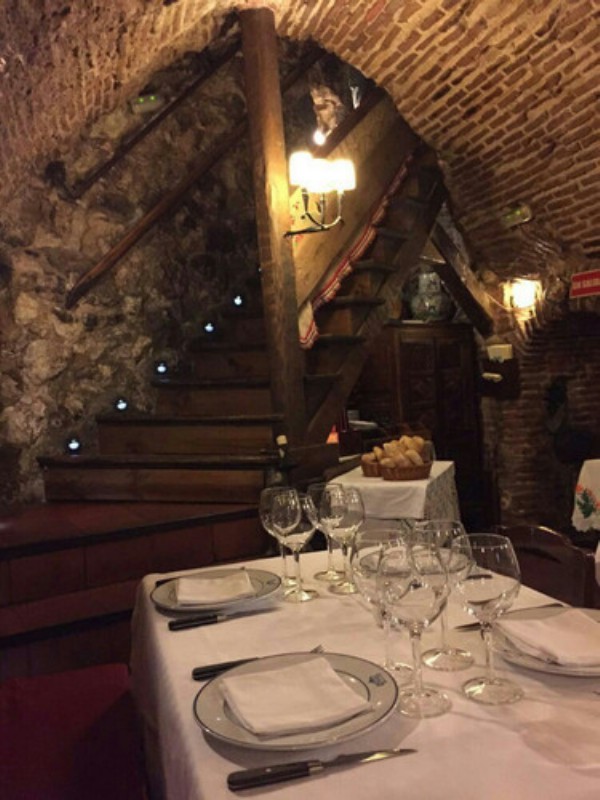
Italian restaurant ceilings often lean toward classic and romantic styles, frequently using wooden beam structures combined with warm-toned lighting to create a welcoming atmosphere. Spanish restaurants, on the other hand, tend to be more vibrant and colorful, perhaps using ceramic tile patterns or arched vaults. When these two styles merge in the same space, a unique visual effect can emerge, allowing guests to feel both Southern European leisure and the cultural blend of different countries.
Material Selection and Maintenance
From a practical standpoint, choosing the right material is crucial.
| Material Type | Features |
|---|
| Wood | Warm and natural, requires moisture protection |
| Plasterboard | Low cost, easy to shape |
| Ceramic tiles | Featuring local character, durable |
In small, humid towns in southern Spain, wooden ceilings need regular anti-moisture treatment, otherwise they can easily become moldy. While ceramic tile ceilings are visually appealing, the construction cost can be high.
The Importance of Lighting Matching
Ceiling and lighting are inseparable partners. Soft lighting can highlight the texture of wooden beams, while spotlights are suitable for emphasizing details in artistic ceiling designs. Different light color temperatures will directly affect guests’ visual comfort. For example, Italian restaurants often choose warm yellow light sources, while Spanish restaurants also include localized colored lighting to enhance the festive atmosphere.
Design Tips for Small Spaces
In smaller restaurants, ceiling design should balance aesthetics with the avoidance of oppressive feeling. It’s recommended to use light shades and simplified structures, incorporating mirror elements into the ceiling to visually extend the space. For budget-conscious owners, this is a cost-effective and efficient optimization.
Conclusion and Discussion
Whether featuring Italian or Spanish styles, the ceiling is central to shaping the atmosphere of a space. Ignoring ceiling design can greatly diminish the overall effect. I hope my sharing provides some inspiration, and I look forward to seeing more local renovation cases in the comments, such as Barcelona Restaurant Ceiling or Slovakian Spanish Restaurant Ceiling, so we can enrich the aesthetics of dining spaces together.
