Ceiling Design Concepts for Spanish Restaurants
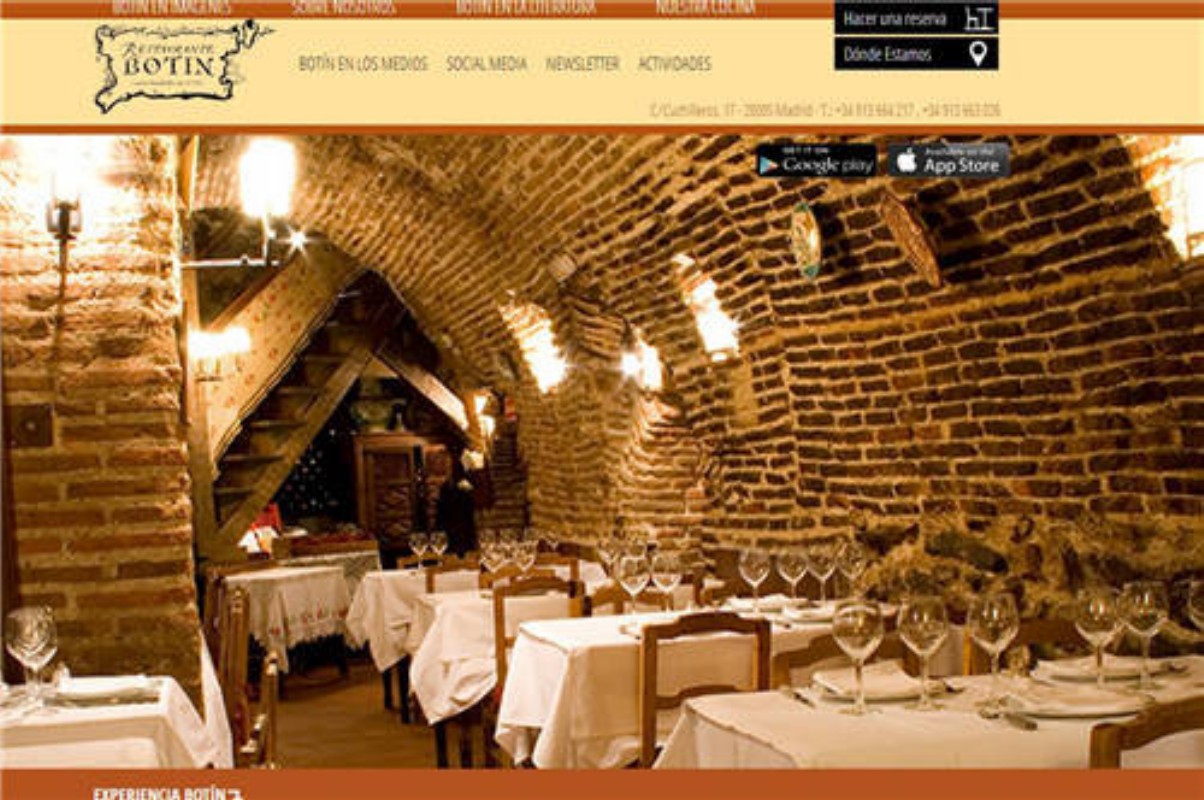
In Spain, whether it’s a traditional Mediterranean tavern or a modern fine dining venue, the ceiling is a key element in creating atmosphere. A well-designed ceiling not only enhances the visual layers of the space but also optimizes acoustic performance, making the dining experience more comfortable.
Common Ceiling Materials
When choosing a ceiling, material is the first factor to consider. Here are some of the most common options found in Spanish restaurants:
| Material | Features |
|---|
| Wood | Natural warmth, suitable for Mediterranean and rustic styles |
| Plasterboard | Easy to shape, cost-effective |
| Metal mesh panels | Industrial style, good sense of openness |
| Acoustic panels | Improves acoustic environment, suitable for noisy spaces |
Personal suggestion: If your restaurant has high ceilings, consider partial wooden beams combined with strip lighting—this adds layers without making the space feel oppressive.
Matching Design Styles
The ceiling style should align with the overall décor. For example:
- Mediterranean style: Pair white plaster mouldings with arched ceilings to create a bright, open feeling.
- Industrial style: Exposed piping combined with metal mesh panels, raw yet full of character.
- Modern minimalist: Flat ceilings with embedded frameless strip lighting to emphasize clean lines.
Functionality and Comfort
Beyond aesthetics, functionality is equally important. Ceilings with good acoustic properties can reduce noise interference between guests; the distribution of lighting—whether even and integrated into the ceiling design—directly affects restaurant ambiance.
If the Barcelona restaurant ceiling space is large, consider a zoned ceiling design to give different areas varying light and height perceptions.
Maintenance and Budget
Different ceiling materials vary in maintenance difficulty and cost. For example, wood requires regular moisture-proof treatments, while metal materials need protection against oxidation. Neglecting these maintenance tasks will shorten the ceiling’s lifespan.
From a budget perspective, plasterboard ceilings are often the most economical choice, while solid wood and custom metal structures are relatively more expensive. It’s best to allocate your budget according to the restaurant’s positioning and average customer spend.
Local Experience Sharing
A friend of mine in Barcelona renovated their restaurant last year, choosing a wooden beam plus strip lighting combination. Looking back, this design made the [tones and atmosphere feel softer], and customers generally reported an excellent dining experience. If the Slovakian Spanish restaurant ceiling project is on your agenda, you might want to visit local building material markets to see the ceiling materials in person before making a decision.
I hope this information helps those planning restaurant renovations. Feel free to share your experiences and recommended suppliers in the comments.
