Environmental Differences Between Spanish and Portuguese Restaurants
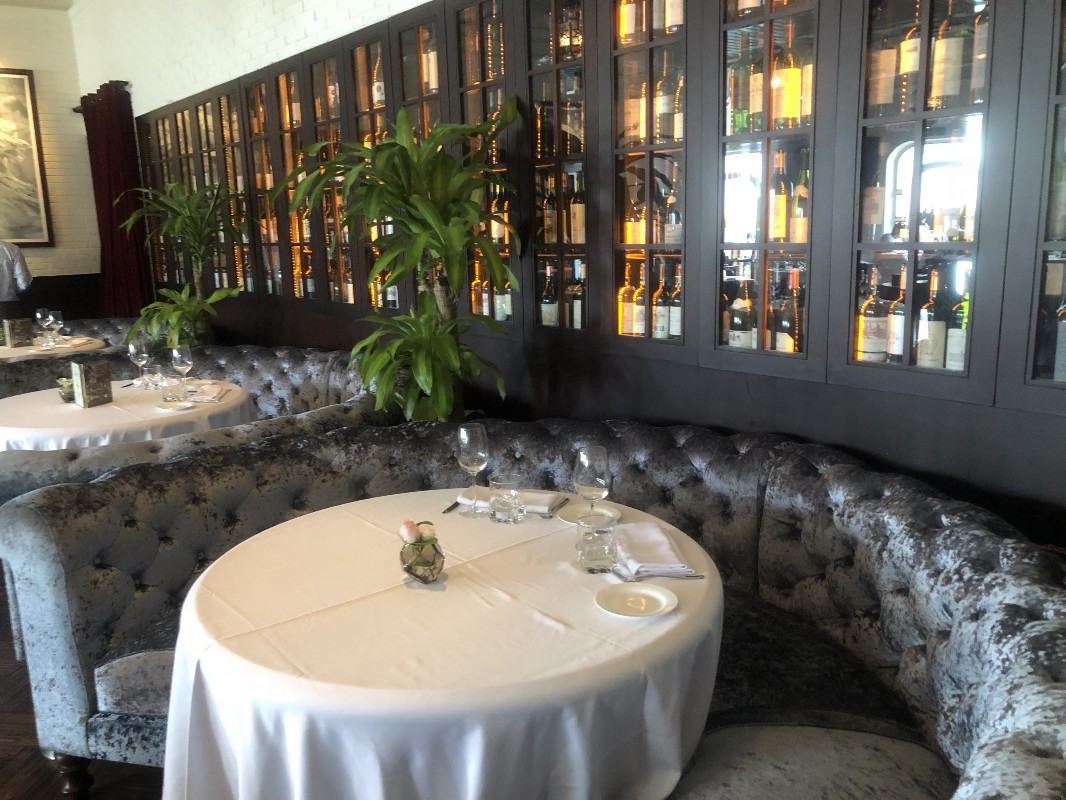
When traveling across the Iberian Peninsula, restaurants are often the highlight of the journey. The atmosphere in Spanish restaurants is typically more lively, especially in small tapas bar-style eateries, where you can hear the laughter of customers and the quick taking of orders by staff. In contrast, Portuguese restaurants are noticeably quieter, often using soft lighting and simple table arrangements to create a warm feeling.
Flavor Profile Comparison
Spanish restaurants offer a richer layering of flavors, with more frequent use of olive oil, garlic, and chili peppers. Dishes like paella and gazpacho are must-try choices for visitors. Portuguese restaurants, on the other hand, are famous for their seafood and stews, with cod prepared in countless ways—locals can enjoy a different recipe every day. Portuguese desserts tend to be sweeter, such as pastel de nata and rice pudding, which leave sweet lovers wanting more.
| Spanish Specialty | Portuguese Specialty |
|---|
| Paella | Portuguese-style cod |
| Gazpacho | Rice pudding |
| Various Tapas | Pastel de nata |
Service and Cultural Differences
In Spain, waiters are usually full of energy, interacting frequently with guests and enthusiastically explaining the history and preparation of dishes when making recommendations. Portuguese service leans towards being polite and reserved, which suits those who prefer a quiet dining experience. Restaurants in both countries avoid rushing guests to leave, making the dining atmosphere more relaxed.
Price and Value for Money
If Spanish and Portuguese restaurant traits are considered from a pricing perspective, Portuguese restaurants are overall slightly more affordable than in Spain, especially in Lisbon or Porto, where you can find plenty of high-quality budget-friendly places. In major Spanish cities such as Barcelona or Madrid, the prices at popular restaurants tend to be slightly Spanish and Portuguese restaurant differences higher. However, Spanish restaurants in rural towns remain very accessible, sometimes even cheaper than those in Portugal.
My Recommendation
If you enjoy lively settings and want to immerse yourself deeply in local culture, Spanish restaurants should be your first choice. If you prefer a quiet, leisurely environment to savor each dish, Portuguese restaurants may suit you better. Either way, exploring different styles of eateries during a culinary journey across the Iberian Peninsula is a rewarding experience.
