Overview of Differences Between Spanish and Portuguese Restaurants
Living on the Iberian Peninsula, almost every city offers both Spanish and Portuguese restaurants. Although the two countries are geographically close and historically intertwined, the atmosphere, ingredients, and cooking methods of their restaurants show many distinctions. Based on personal observation, here is a comparison for those who enjoy exploring both sides.
Cuisine Style
Spanish restaurants are often renowned for their rich selection of [tapas]snacks[/tapas], varied and meant for sharing. Common cold plates include seafood platters, cured ham, and olives served with wine. Portuguese restaurants, on the other hand, focus more on main courses, such as cod prepared in over a hundred different ways. Portuguese dishes tend to have a richer flavor, especially with bold stewing and seasoning techniques.
Dining Times and Habits
In Spain, dinner time is often after 9 pm, with locals enjoying an aperitif before the meal. Portuguese people tend to dine earlier, usually around 8 pm, and restaurants often emphasize set menus. Additionally, Portuguese restaurants offer abundant dessert options, such as pastel de nata and rice pudding.
Service and Atmosphere
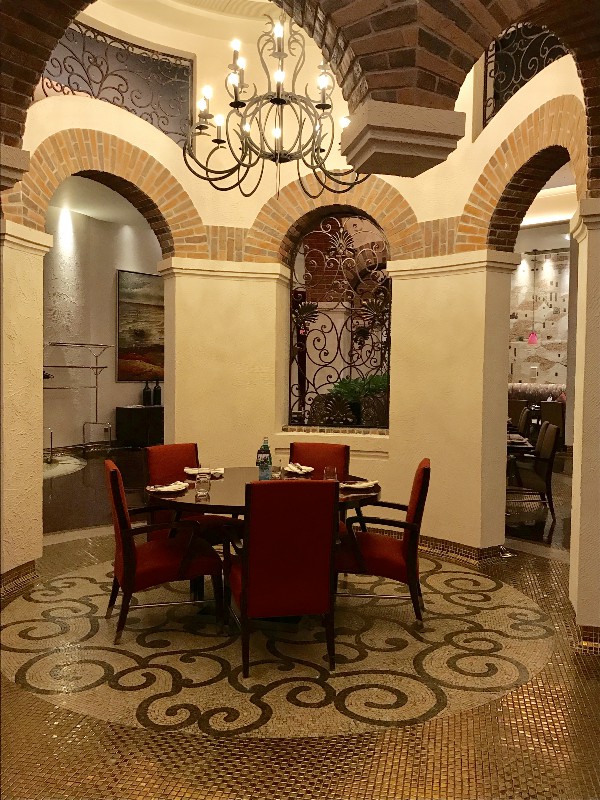
Spanish restaurants typically have a lively atmosphere, with live music or football matches broadcasted, making them ideal for gatherings with friends. Portuguese restaurants are quieter, focusing on comfort during meals, with soft Fado music creating a romantic or family-friendly environment.
| Feature | Spanish Restaurant | Portuguese Restaurant |
|---|
| Signature Dish | Seafood paella, tapas | Cod in various preparations |
| Dining Time | After 9 pm | Around 8 pm |
| Atmosphere | Lively, socially engaging | Quiet, soft music |
Ingredients and Cooking Methods
Spanish cuisine uses olive oil as the main cooking fat, combined with spices and fresh vegetables. Portuguese cuisine also uses olive oil but adds butter or lard for a richer aroma. When preparing seafood, Spanish restaurants often stew or grill, while Portuguese restaurants prefer slow cooking, allowing flavors to penetrate Spanish and Portuguese restaurant comparison the fish thoroughly.
Price and Options
Overall, Spanish restaurants in popular cities are slightly more expensive than Portuguese restaurants, partly due to location and tourism demands. In contrast, Portuguese restaurants often offer generous portions of main courses and desserts at more affordable prices, which is why many people living in Spain are willing to cross the border for a meal.
These are just personal experiences and exchanges; feel free to share your own dining stories and discoveries at Iberian restaurants — you might uncover more Spanish and Portuguese restaurant features and interesting differences.
