Overall Impression of Spanish Restaurants
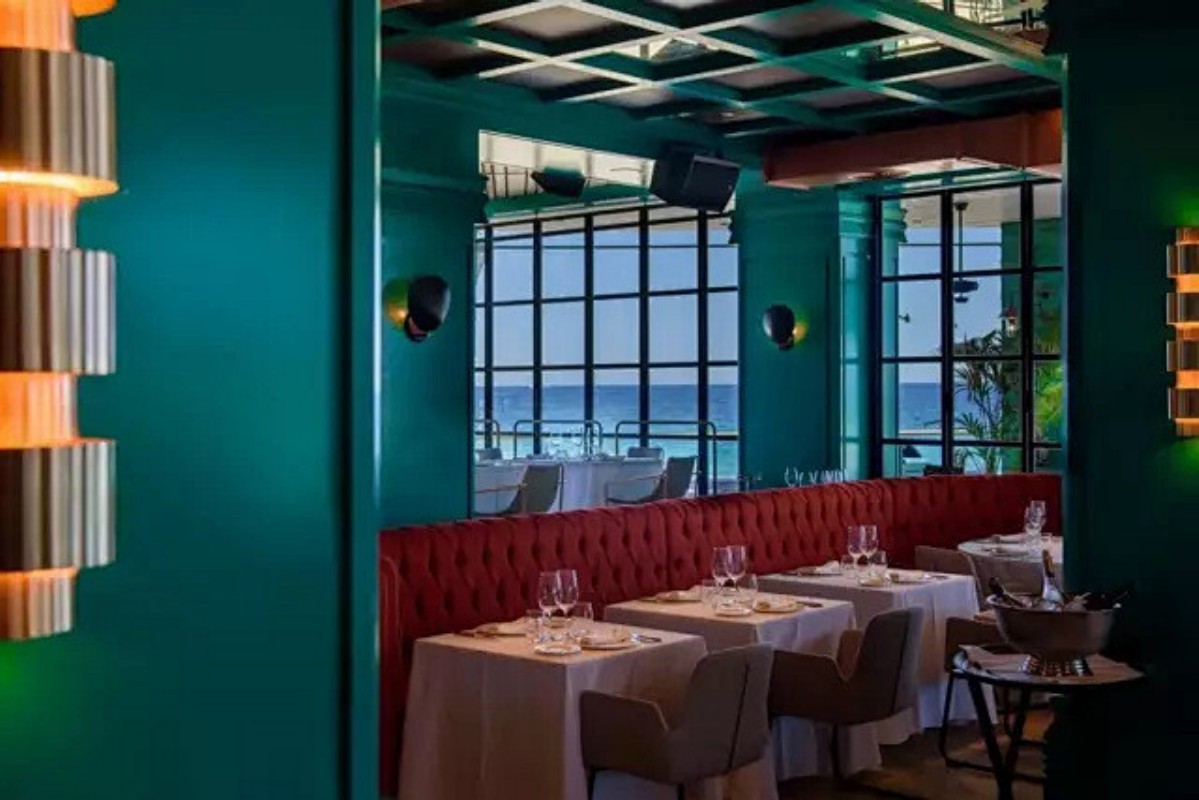
After living in Spain for a while, you will realize that restaurants are not just places to eat, but also an integral part of social life. Here, [Spanish restaurants] generally have a relaxed atmosphere, unhurried and calm, and with a dining culture that values conversation, meals become an enjoyable experience. Especially in big cities and coastal towns, you can clearly sense the variations in dining styles between regions.
Menu and Dish Diversity
Menus in Spanish restaurants often change with the seasons, ensuring fresher ingredients. Common dishes include Paella, Tapas, grilled meats, and more. Notably, restaurants incorporate local specialties depending on the region; for example, in Andalusia there is often more Spanish restaurant design with fried seafood, while Basque cuisine highlights seafood paired with premium ingredients.
| Region | Signature Dishes |
|---|
| Basque | Charcoal-grilled squid, cod with special sauces |
| Andalusia | Fried small fish, Gazpacho cold soup |
| Catalonia | Seafood paella, herb-seasoned roast meats |
Dining Times and Habits
If you are new to Spain, you should adapt to their dining schedule. Lunch is usually around 2:00 PM, while dinner might not start until after 9:00 PM. This differs from many countries and can sometimes surprise newcomers. The ratio of pre-meal drinks and post-meal desserts is high, and coffee and wine are almost standard for every meal.
Service Style and Atmosphere
Many restaurants offer Spanish restaurants a very casual self-ordering style; you can select various tapas at the bar and then return to your seat to enjoy them slowly. No rush to serve dishes—instead, the emphasis is on conversation and experience during the meal. The waitstaff are typically patient and humorous, making you feel like you are being hosted by friends.
Price and Value
In Spain, restaurant prices vary widely, from budget-friendly local eateries to high-end Michelin-starred establishments. Generally, mid-range restaurants already offer a very good dining experience, with generous portions and fresh ingredients. Restaurants in tourist areas may be pricier, but if you venture into neighborhoods a bit further from attractions, you’ll find better value for your money.
Overall, the defining traits of Spanish restaurants are their relaxed atmosphere, diverse dishes, and unique dining habits—all closely linked to the local pace of life, and a key reason why many people fall in love with living in Spain.
