Space and Ambience
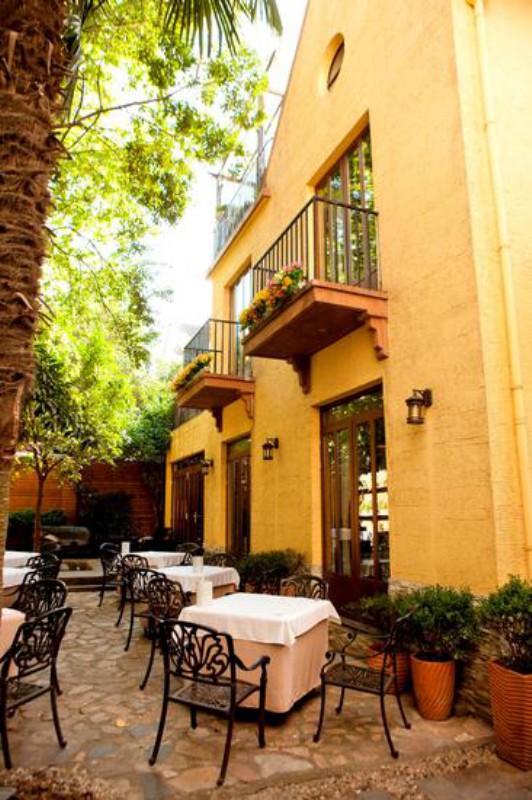
In Spain, many restaurant designs are not just about dining but also about delivering a cultural experience. Walking into a carefully designed restaurant, you will notice that wall colors are often dominated by warm tones such as orange and brick red—shades that make the space feel comforting and full of passion. Lighting is usually soft, allowing guests to relax while enjoying their meals. Especially in coastal cities, designers often incorporate large floor-to-ceiling windows to bring in natural light and sea views, making dining even more delightful.
Furniture and Materials
Spanish restaurants tend to use furniture that combines wooden elements with wrought iron details. Wooden tables and chairs provide a warm texture, while wrought iron lamps and decorations add a handcrafted rugged beauty. This mixed style embodies the fusion of tradition and modernity. In some upscale restaurants, you might find mosaic tiles covering the bar counters and walls, with incredibly refined detailing.
| Material | Common Use |
|---|
| Wood | Tables, chairs, flooring |
| Wrought iron | Lighting fixtures, decoration |
| Mosaic tiles | Walls, bar counters |
Color and Decoration
Color plays a crucial role in Spanish restaurant design. Besides warm tones, designers often add touches of blue or green to reflect the sea and natural surroundings. Overly monotonous colors are rare in Spanish restaurant features, and every corner may hide a unique piece of art, such as hand-painted ceramic plates or antique wine vessels. Local artists’ paintings often adorn the walls, both decorating the space and supporting cultural creation.
Area Layout
Restaurant layouts usually focus on smooth traffic flow. Open kitchens are very popular in Spain, allowing customers to watch chefs prepare dishes live, enhancing the interactive experience. Seating areas are often divided into sections for larger gatherings and quieter tables for two, catering to different customer needs. Some restaurants also design outdoor terraces for enjoying food in the fresh air.
Detailed Experience
Beyond the design of Spanish restaurants in terms of visuals and space, attention to detail is equally important. Examples include handmade tableware, custom font menus, and background Spanish guitar music. Together, these elements create a distinctive dining atmosphere. For those who appreciate the Spanish restaurant lifestyle, each visit feels like a cultural journey.
