Environment and Atmosphere
In Spain, a restaurant is often more than just a place to eat—it’s a social space. Most restaurants have outdoor tables and chairs, allowing guests to enjoy their meals under the sunshine and breeze, a lifestyle cherished by many locals.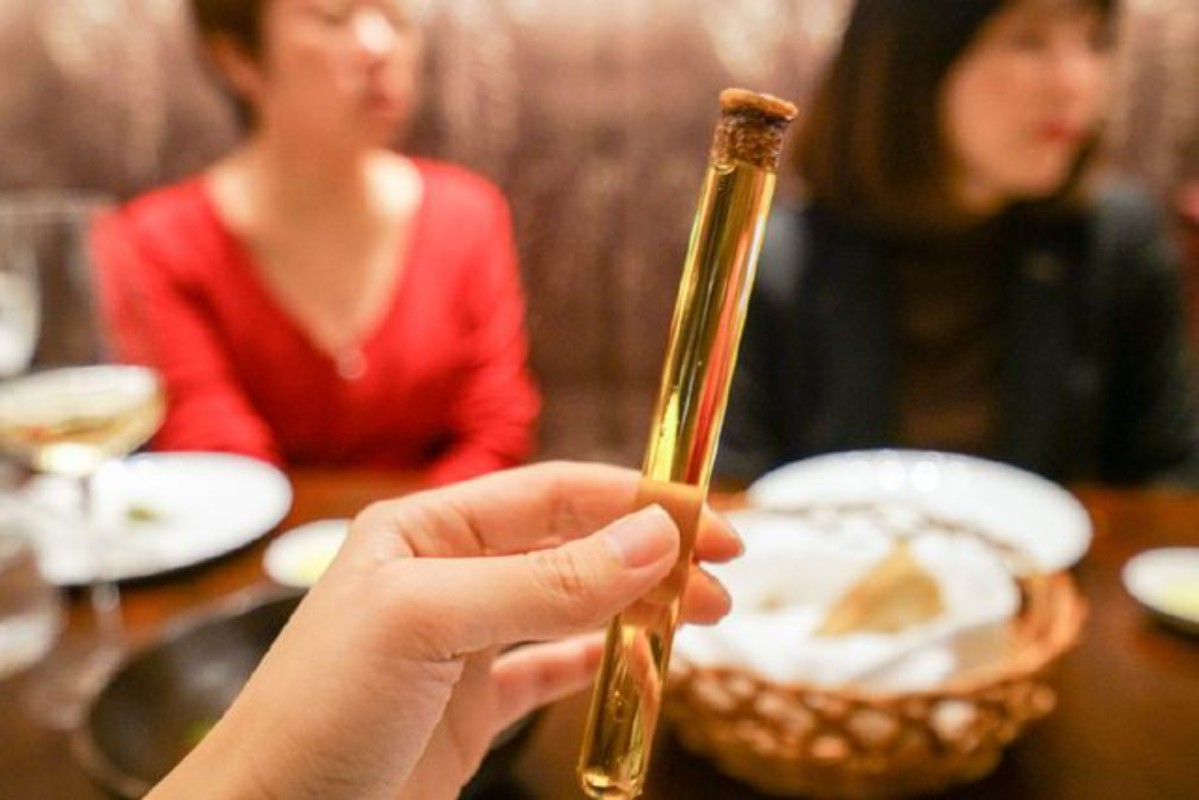 Accompanied by street bands playing or the gentle conversations from neighboring tables, this atmosphere can easily make you lose track of time.
Culinary Highlights
The most appealing dishes in Spanish restaurants include succulent chunks of ham, flavorful paella, and various tapas described in Spanish Restaurant Features. The diversity of tapas lets you sample many flavors in one sitting—from fried calamari rings to olives, to a potato omelet. Many restaurants adjust their menus according to the season, ensuring fresh ingredients. Take a bite of authentic paella and you will instantly understand its allure.
Dining Hours
Spanish dining hours differ from those in many other countries: lunch is usually between 13:30 and 15:30, while dinner often starts after 20:30. This schedule makes the evening atmosphere in restaurants even more vibrant, especially during holidays when people may dine until midnight. If the Spanish Restaurant Design is arranged to suit your own body clock, you might end up missing the lively hours typical of a Spanish Restaurant.
Service and Interaction
Service in Spanish restaurants is generally relaxed and unobtrusive. You may need to signal the waiter to place your order or request the bill, which is seen locally as respecting the guest’s private time. Additionally, many waiters are happy to chat, recommend special dishes, or share information about nearby activities.
| Feature | Description |
|---|
| Environment | Outdoor seating, musical atmosphere |
| Cuisine | Paella, ham, tapas |
| Dining Hours | Lunch later than many countries, late dinners |
Pricing and Consumption Style
Restaurant prices vary greatly between cities. In city centers like Madrid and Barcelona, prices are often higher, while in smaller towns, similar dishes tend to be more budget-friendly. Don’t assume the menu prices are just a guideline—most restaurants include extra charges for drinks or bread when you settle the bill. Therefore, it’s wise to ask about prices and inclusions before sitting down to avoid misunderstandings.
Overall, Spanish-style restaurants combine distinctive cuisine, a relaxed pace, and a rich social culture, making them perfect for slowing down and savoring life. Next time you step into such a restaurant, try planning your visit according to local customs and enjoy a truly Spanish dining experience.
