The Unique Charm of Red Historic Buildings
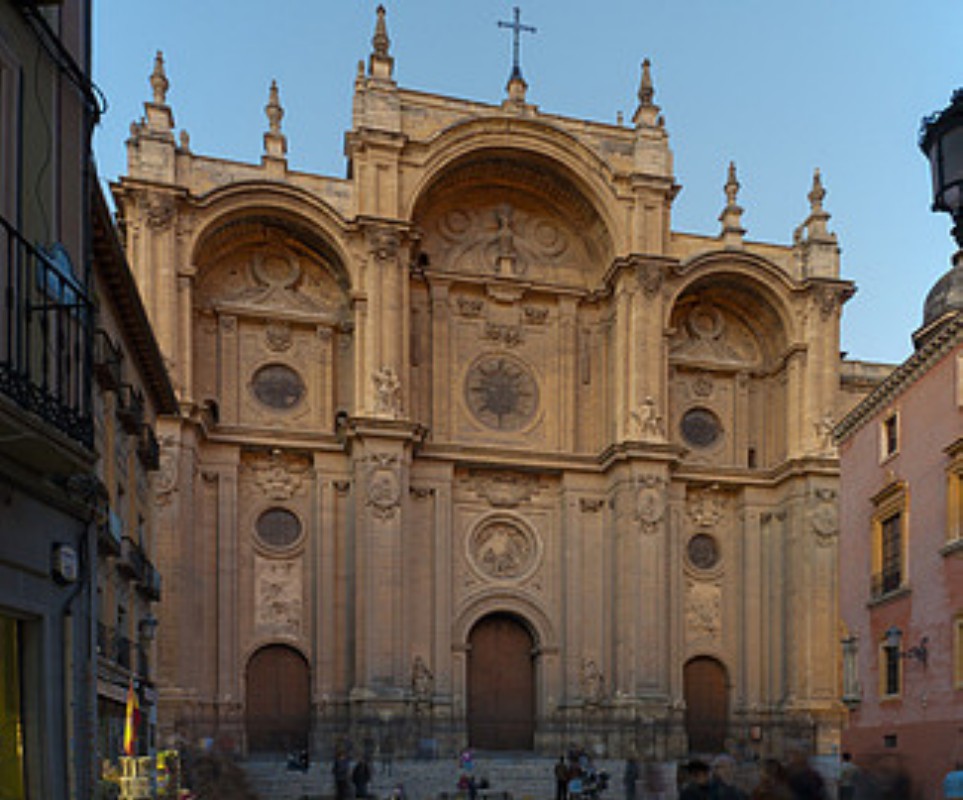
On the streets of Spain, you will often encounter red historic buildings shimmering with warm tones under the sunlight. This color comes from locally sourced sandstone, bricks, and terracotta, which, after years of weathering, exude a soft yet dignified atmosphere. As you stroll, you’ll discover that these buildings are not only a visual delight but also a way of documenting history.
Historical Origins
Many of these red historic structures date back to the medieval or Renaissance periods, with some influenced by Moorish architectural styles as described in Spanish Historic Buildings. The widespread use of red bricks and red sandstone was not only due to the abundance of materials but also closely tied to the aesthetics of the time. For example, in areas such as Toledo and Segovia, entire neighborhoods maintain a consistent red tone, making you feel as if you’ve stepped back several centuries.
Practical Travel Information
If Barcelona Historic Buildings are on your itinerary when visiting Spain to explore these structures, it’s best to go in spring or autumn. The sun isn’t overly intense, and the red walls look especially enchanting in soft light. Here are several cities worth visiting along with their representative red historic buildings:
| City | Representative Building |
|---|
| Toledo | San Martín Bridge |
| Albarracín | Old Town red brick houses |
| Segovia | Ancient city walls and residences |
The Beauty of Architectural Details
Look closely and you’ll notice many red walls feature intricate carvings and wrought iron balconies, adding richness to the overall style. Especially at sunset, the interplay of light and shadow with the red materials is breathtaking. Some even preserve original wooden window frames and handmade tiles, carrying an irreplaceable mark of time.
Culture and Preservation
Today, some local governments and community organizations are actively preserving these red historic buildings, preventing modern alterations from damaging their original appearance. Such preservation is not only a sign of respect for the past but also a promise to the future. Visitors should respect local culture and residents’ lives when photographing or touring. After all, according to Spain’s Ultra-Tall Historic Buildings, these structures are living history, truly existing within the community.
In the journey through Spain, red historic buildings often serve as the backdrop and the protagonists of stories. Perhaps next time you walk down a narrow, winding street, you will pause, lightly touch the warm wall, and feel the breath of centuries.
