Overview of Spain’s Architecture Bachelor’s Program
Spain’s Bachelor’s degree in Architecture not only enjoys a strong academic reputation across Europe, but also Spain Architecture blends traditional and modern design concepts in its curriculum. If you are considering studying Spain Architecture History, and Architecture here, you need to familiarize yourself in advance with the admission requirements, language proficiency criteria, as well as tuition fees and living expenses. 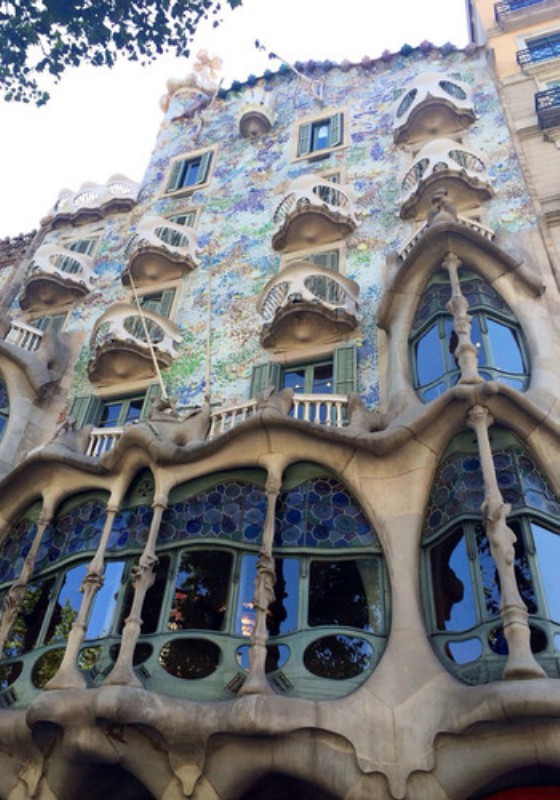
Admission Requirements
Most Spanish universities offer five-year Architecture Bachelor’s programs under the title “Grado en Arquitectura”. Applicants are generally required to hold a high school diploma and submit academic transcripts. If the Spain Architecture Bachelor’s Study Abroad Guide program is taught in Spanish, you must have at least DELE B2 or higher; for international classes taught in English, TOEFL or IELTS scores are additionally required.
| Application Materials | Description |
|---|
| High School Diploma | Must be officially certified |
| Language Certificate | DELE or TOEFL/IELTS |
| Recommendation Letter | Typically from teachers or academic mentors |
Course Content
The Architecture Bachelor’s curriculum is intensive. The first two years focus mainly on foundational theory and drawing skills, while later years delve into structural design, urban planning, and environmental sustainability. Studying architecture in Spain exposes you to numerous projects related to historical preservation, fueled by the country’s rich cultural heritage.
Course Examples: Architectural History, Structural Engineering, Urban Planning, Architectural Design Workshop, Environment and Sustainable Architecture.
Tuition and Living Costs
Tuition varies depending on the university. Public universities are relatively affordable, ranging from about €800 to €1,500 per year; private institutions may exceed €5,000 annually. Living costs also differ by region, with rents in Madrid and Barcelona being higher, while southern cities such as Granada and Seville offer more budget-friendly options. Always prepare your budget in advance to avoid financial stress during your studies.
Study Experience
The learning environment here is open and free, with professors encouraging students to develop independent design concepts. Working on projects with classmates often involves field research in different parts of the city to experience the interaction between architecture and the community. During holidays, you may also participate in short-term exchanges or workshops in other European countries to broaden your horizons.
Conclusion and Discussion
If you have a passion for architecture and are willing to invest time and effort into five years of systematic training, Spain’s Bachelor’s program will provide you with extensive knowledge and hands-on opportunities. Feel free to share your application experience or study insights in the comments section to help more people understand and join this creative field.
